Insights
CBAM Insights
Plain-English CBAM explainers and updates, written for the people who have to comply. New entries land here as the rules move. For the update digest on its own, see The CBAM Brief.
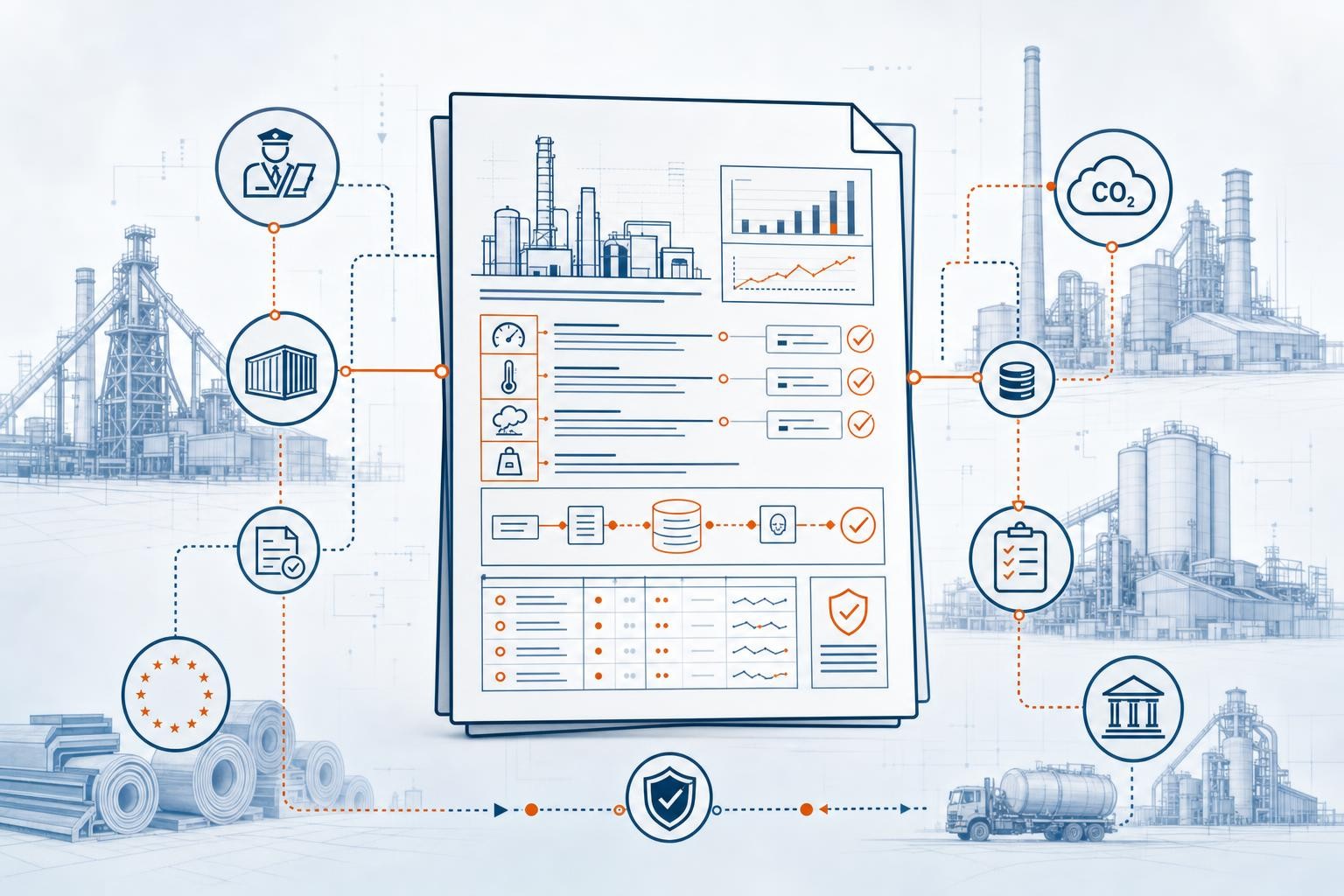
CBAM Monitoring Plans: What Installation-Level Data Quality Actually Requires
The monitoring plan - not just the final emissions number - is now the primary object of CBAM scrutiny. Here's what IR 2025/2547 requires at the installation level, and why traceability is the recurring failure point.
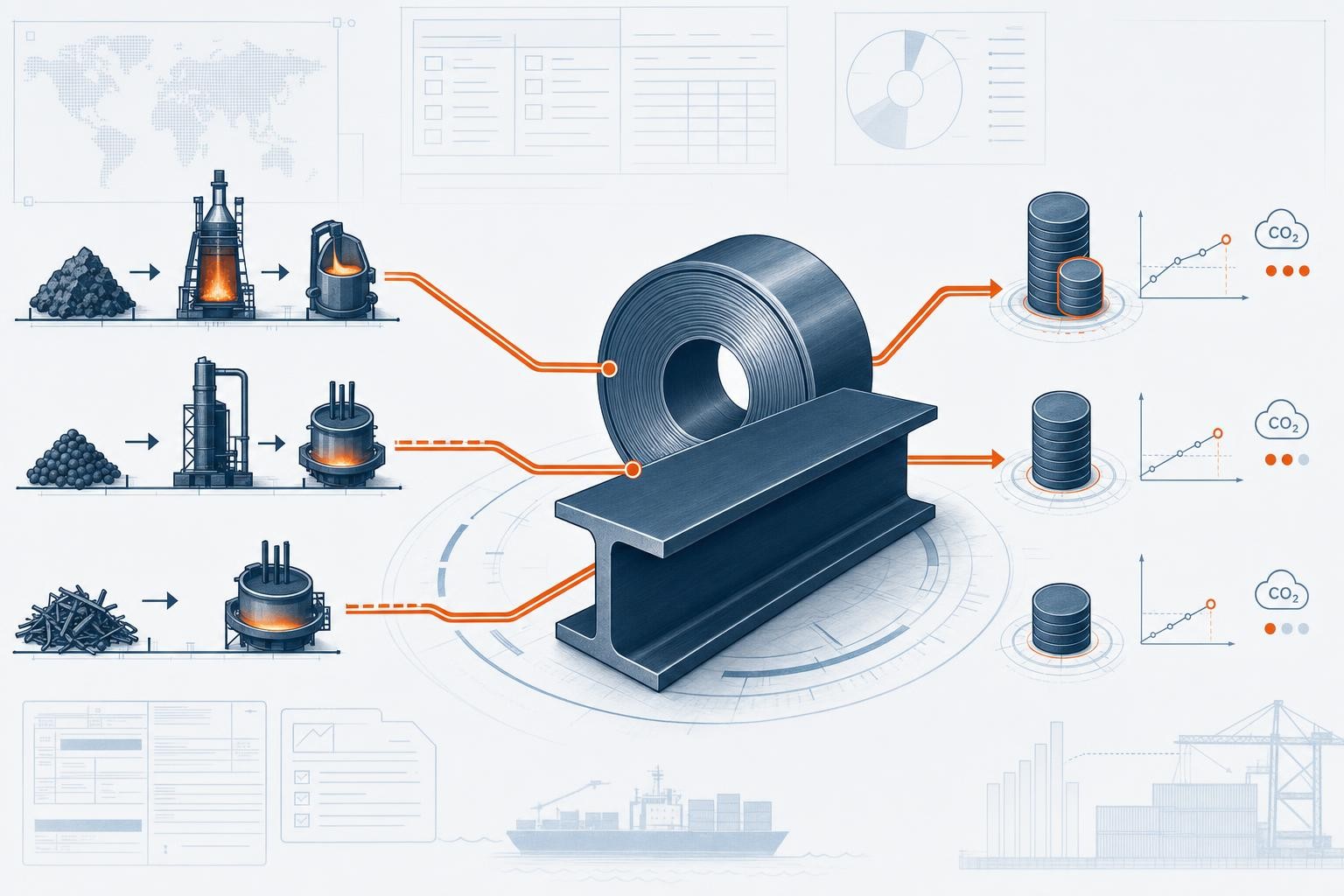
CBAM and Steel: Why Your Supplier's Production Route Is Now a Procurement Decision
Steel's CBAM cost isn't fixed - it swings by up to 19x depending on how your supplier makes steel. Here's how the BF-BOF, DRI-EAF, and Scrap-EAF benchmarks translate into real sourcing decisions.
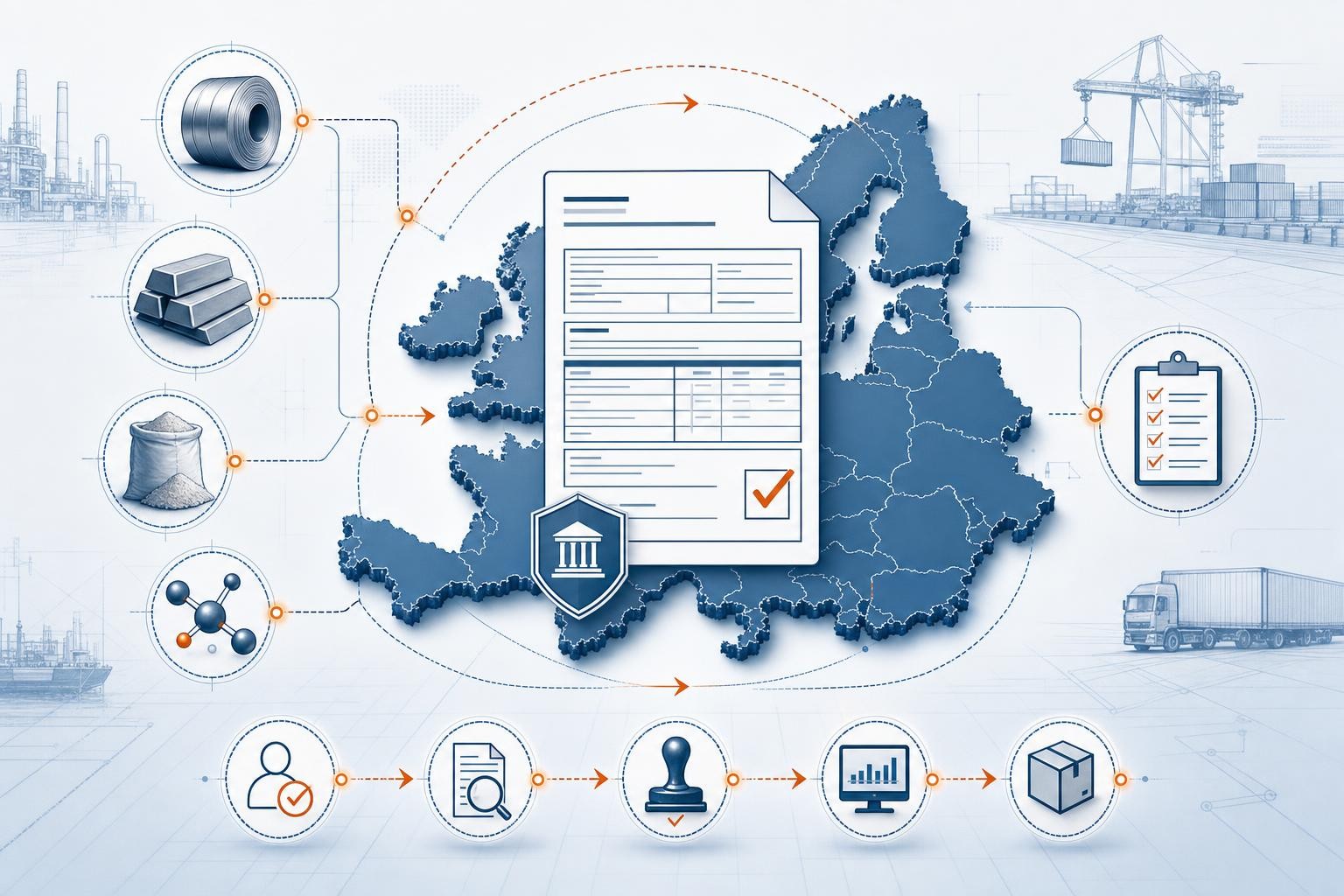
Becoming an Authorised CBAM Declarant: A Practical Guide for EU Importers
The 31 March 2026 deadline has passed. Here's what Authorised CBAM Declarant status means, what the transitional easement covers, how financial guarantees work, and what every importer must do before September 2027.
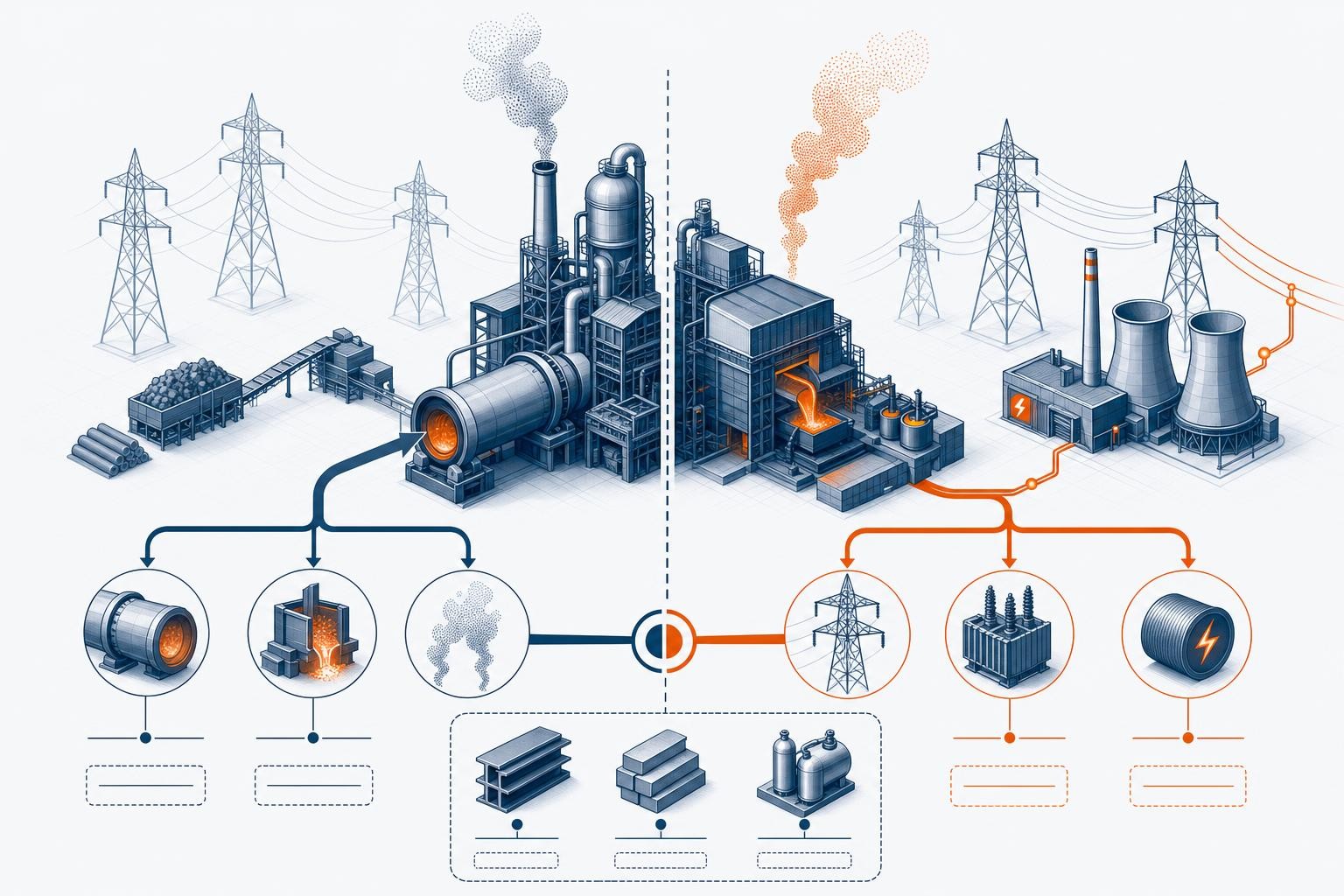
CBAM and Indirect Emissions: Why the Annex II Split Matters for Steel, Aluminium, and Hydrogen Importers
CBAM prices indirect emissions for cement and fertilisers but not for steel, aluminium, or hydrogen - and the reason why matters for your compliance strategy. Here's the full mechanics.
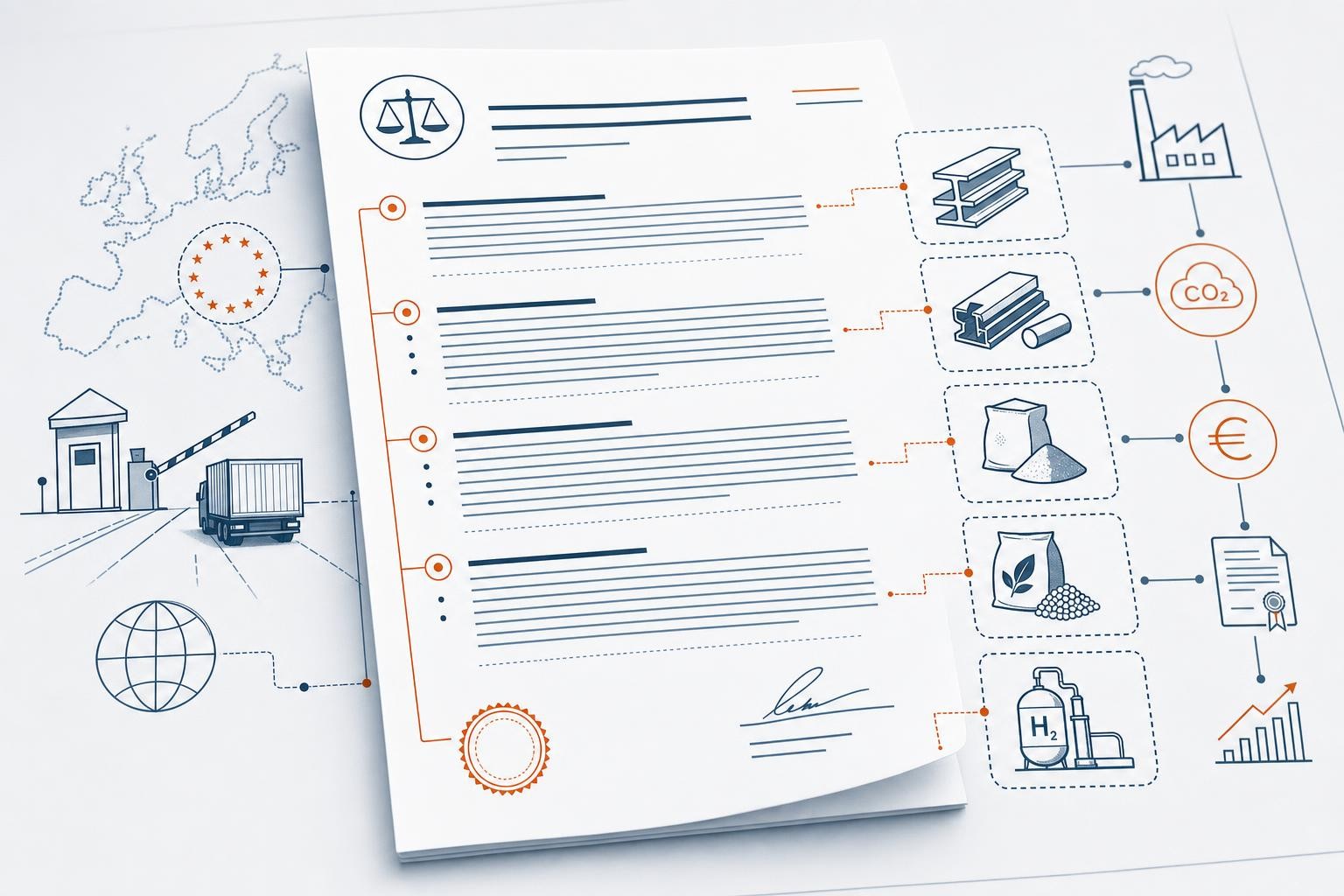
Making Your Supply Contract CBAM-Ready: A Clause-by-Clause Drafting Guide
CBAM is now a contracting problem. This clause-by-clause guide covers emissions data, verification, price pass-through, Incoterms, indemnity, and change-in-law for EU importers of steel, aluminium, cement, fertilisers, and hydrogen.
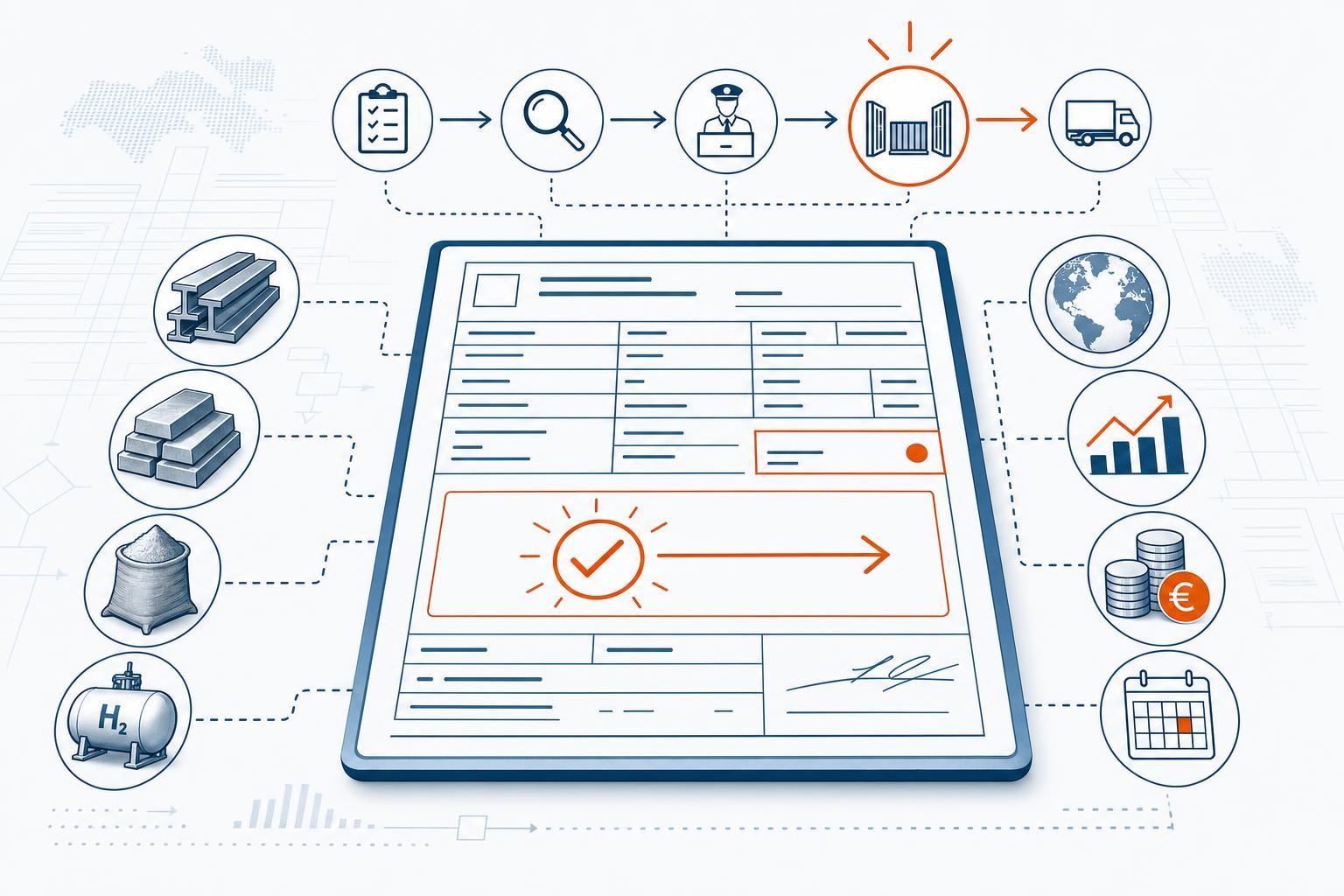
CBAM and Customs Procedures: How Release for Free Circulation Changes Everything
CBAM obligations attach at release for free circulation, not at physical arrival. That single fact makes your choice of customs procedure a genuine compliance and cash-flow lever. Here's the practical guide.
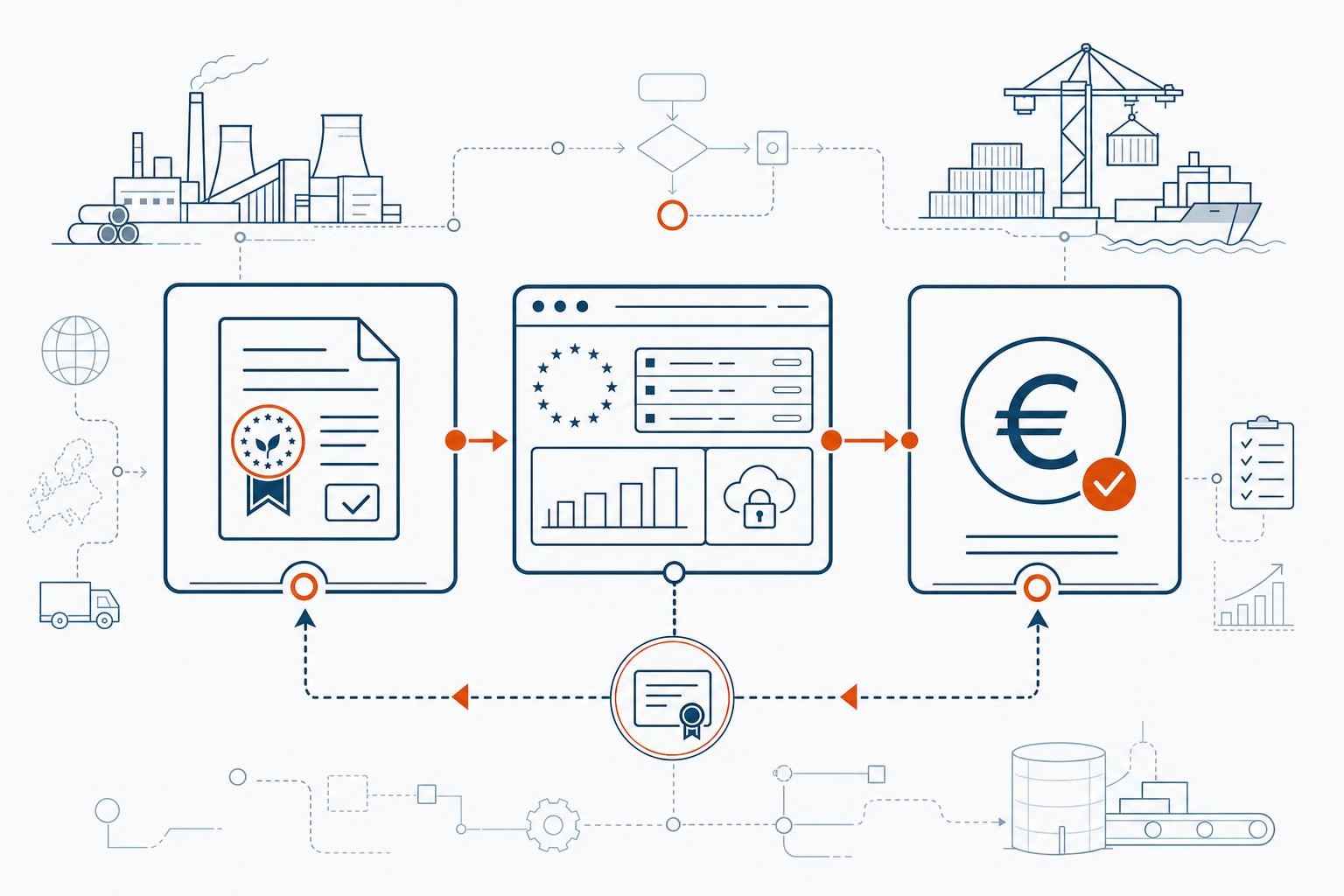
Inside the July 2026 Draft Rules: How CBAM Certificate Buying and Repurchase Will Actually Work
The European Commission published a draft delegated regulation on 9 July 2026 setting out the mechanics of CBAM certificate purchases and repurchases. Here's what treasury teams need to know before February 2027.
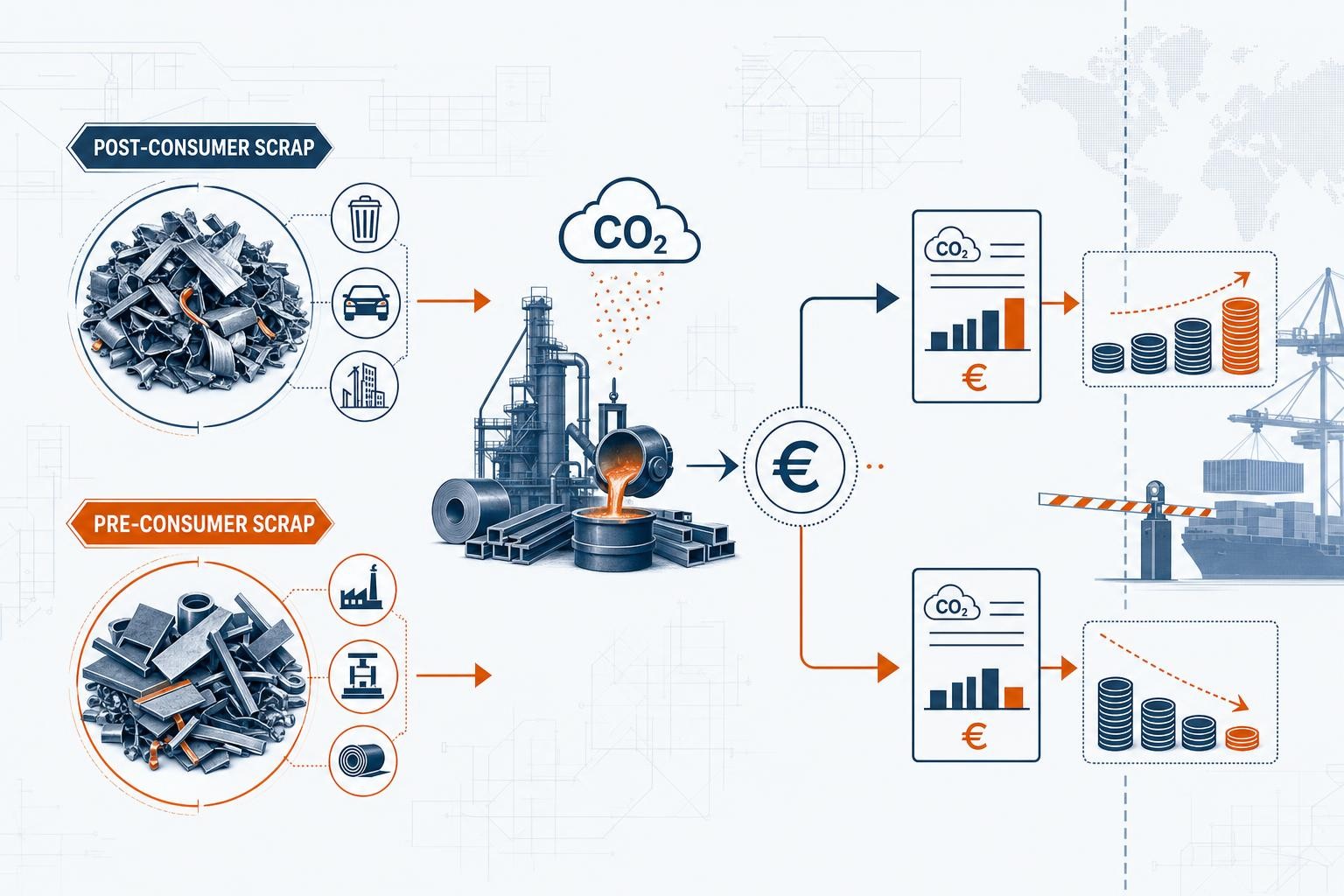
Does Recycled Metal Cut Your CBAM Bill? How Scrap Content Is Counted - and What's Changing
Post-consumer scrap is zero-rated under CBAM today, making EAF steel and secondary aluminium powerful cost levers. But a new pre-consumer scrap proposal is closing the gap. Here's what importers need to know.
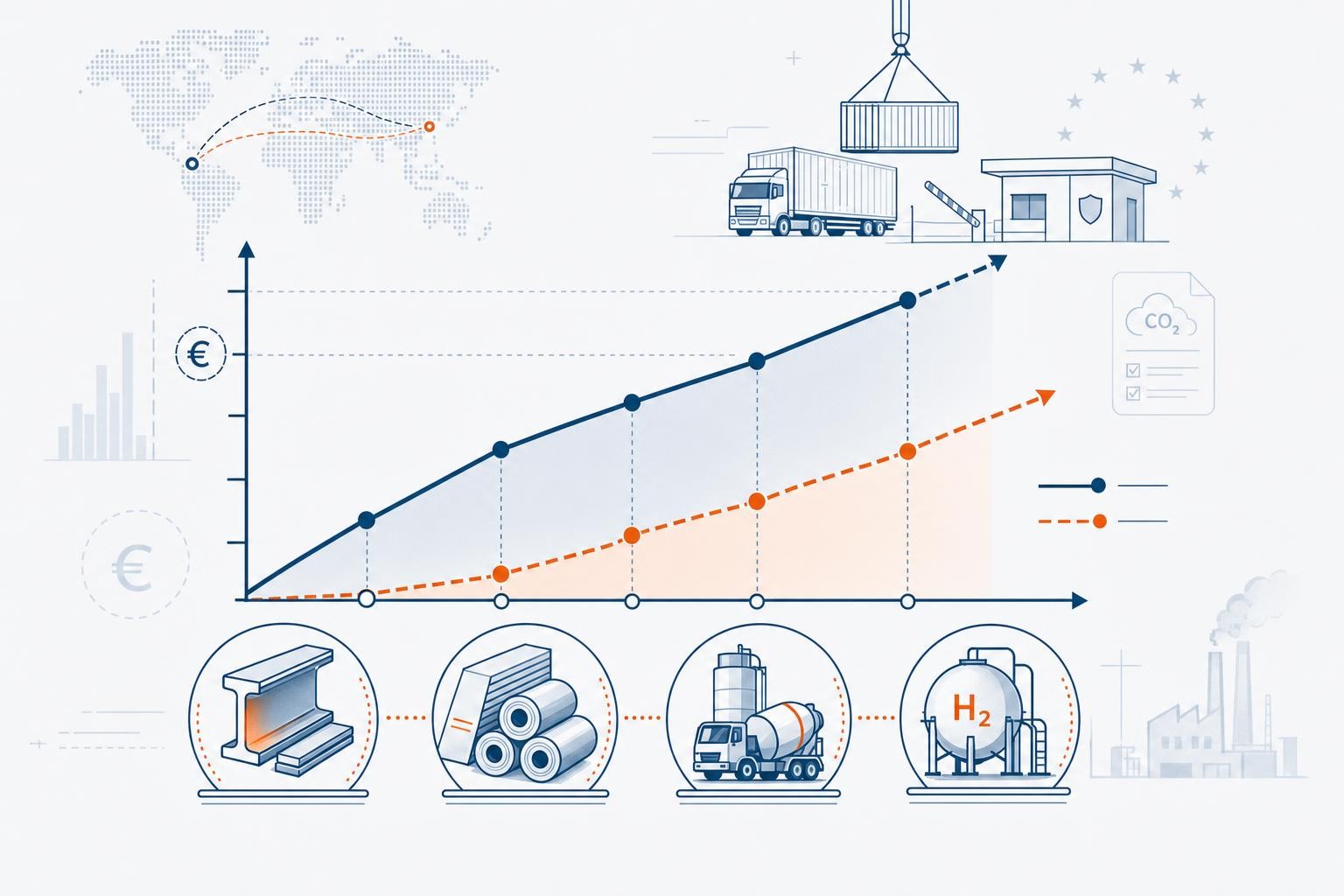
The July 2026 ETS Reform: How the New Proposal Reshapes Your CBAM Cost Curve
The Commission's 17 July 2026 ETS reform proposal reintroduces 15% free allocation from 2028 and extends the CBAM phase-in to 2038. Here's what actually changed - and what it means for your cost trajectory.
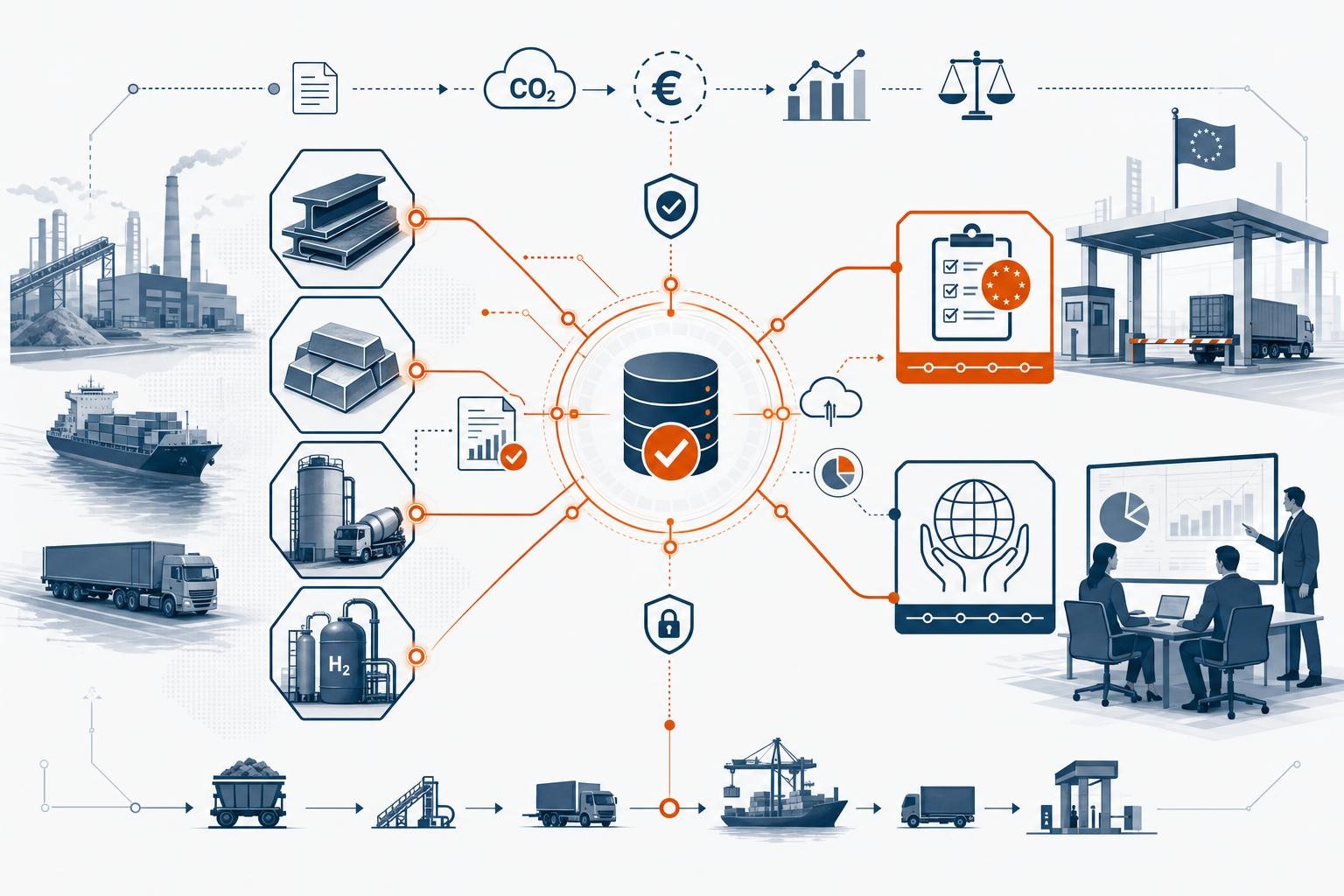
Collect Once, Use Twice: How CBAM Supplier Data Feeds Your Scope 3 and CSRD Disclosures
The verified emissions data you collect from suppliers for CBAM is largely the same data CSRD and Scope 3 need. Here's where the overlap is real, where it isn't, and how to govern it.
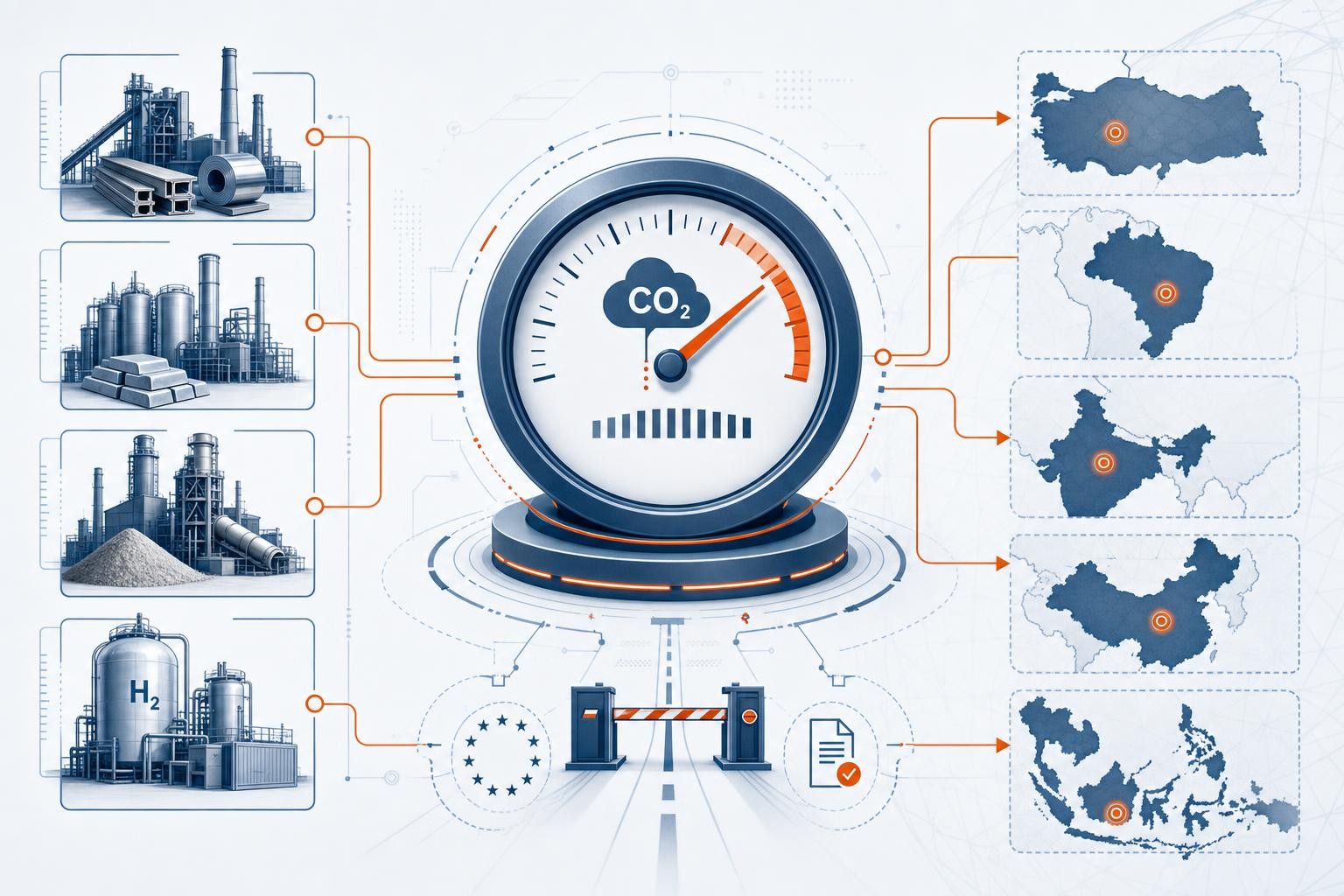
CBAM Is Exporting Carbon Pricing: What a Wave of New Supplier-Country Carbon Markets Means for EU Importers
Turkey, Brazil, India, China and SE Asia are all building carbon markets - partly because of CBAM. Here's what that means for your import costs and sourcing decisions.
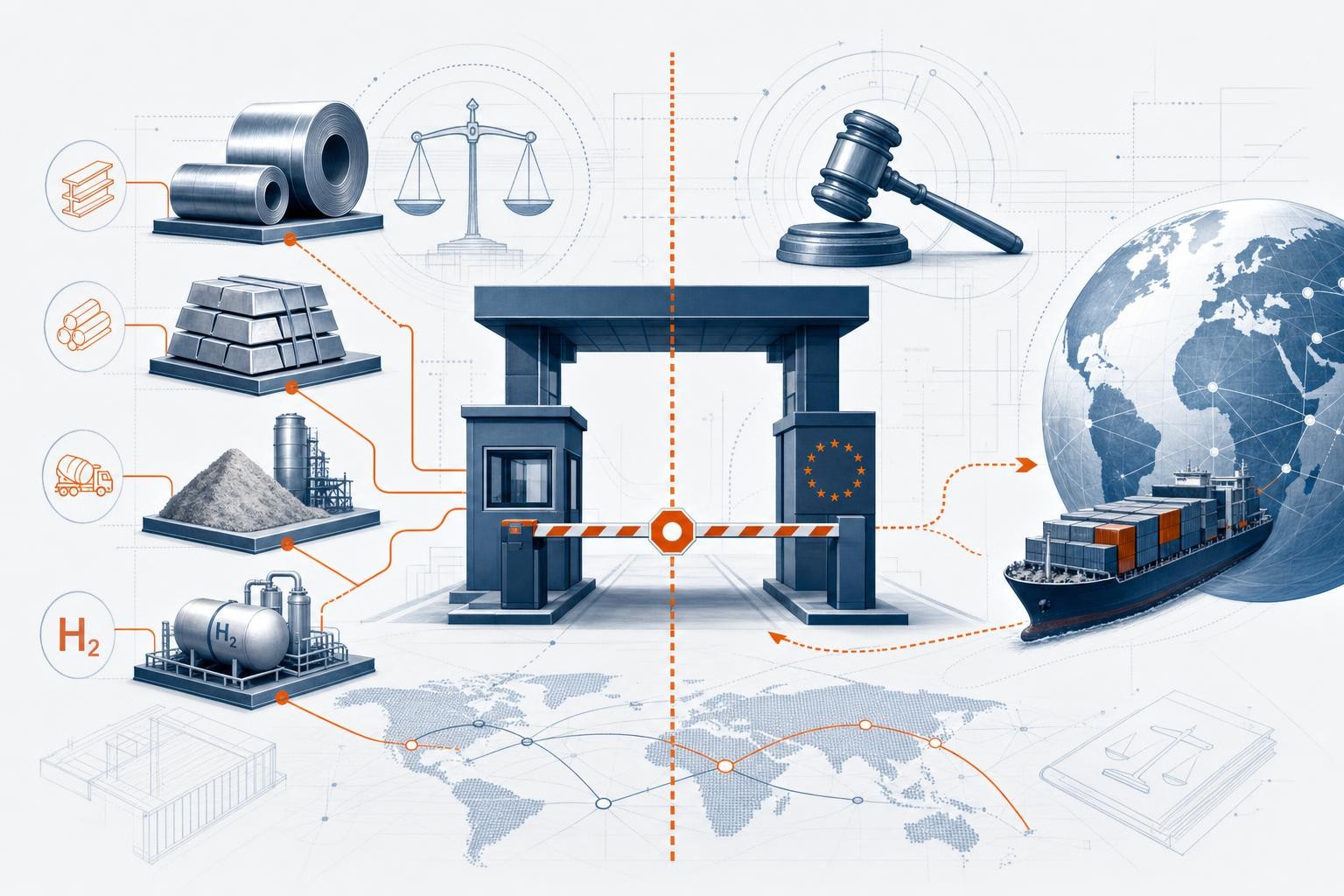
Is the EU CBAM Legal Under WTO Rules? What the Debate Means for Importers
A growing coalition of countries is challenging the EU CBAM's WTO compatibility. Here's what the legal arguments actually are - and why your compliance obligations remain fully in force regardless.
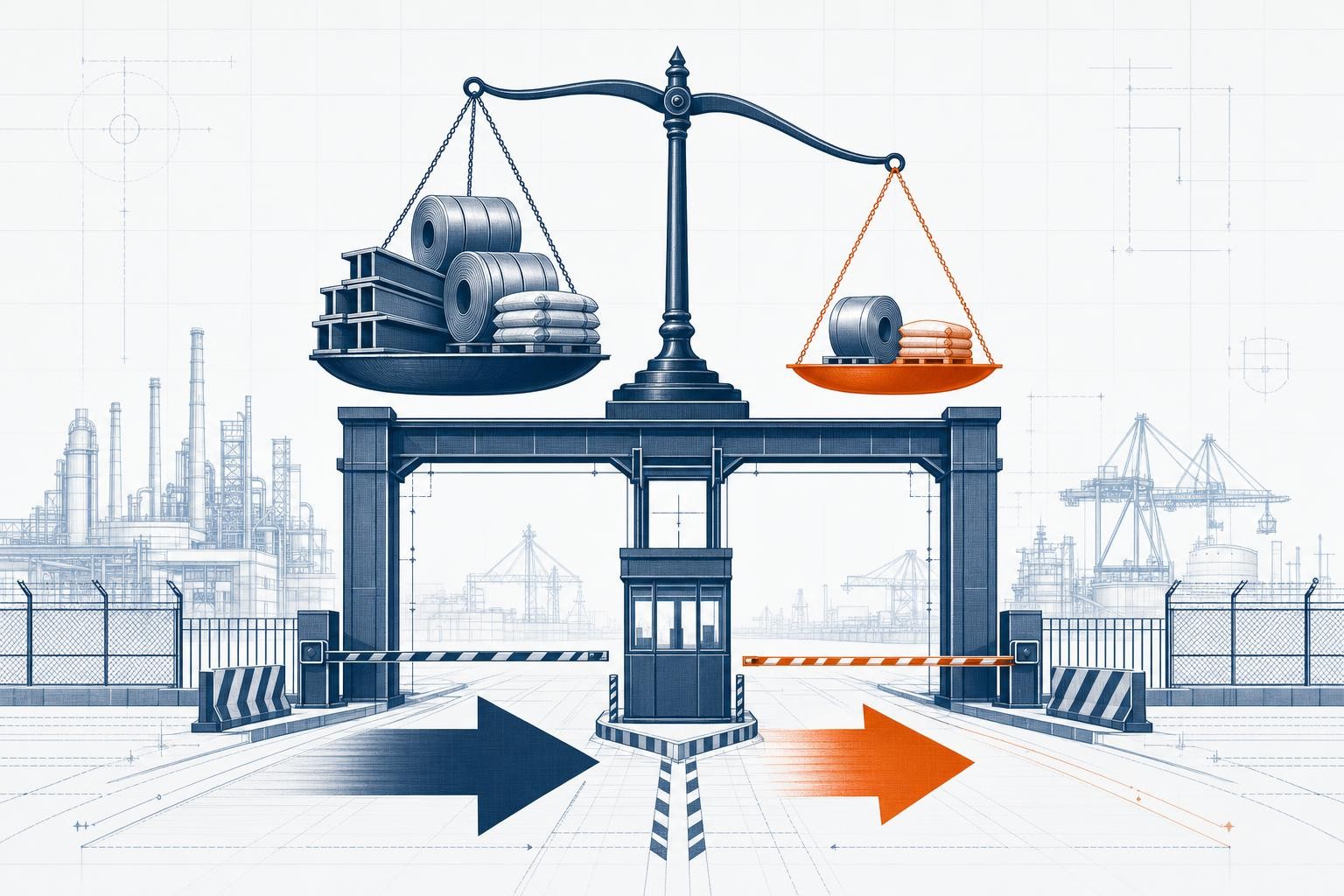
CBAM's Export Problem: Why the Carbon Border Levy Is Only Half Done
CBAM charges imports but leaves EU exporters exposed to carbon costs their rivals don't face. We map the asymmetry, the 6.8% market-loss estimate, and the live debate over export rebates.
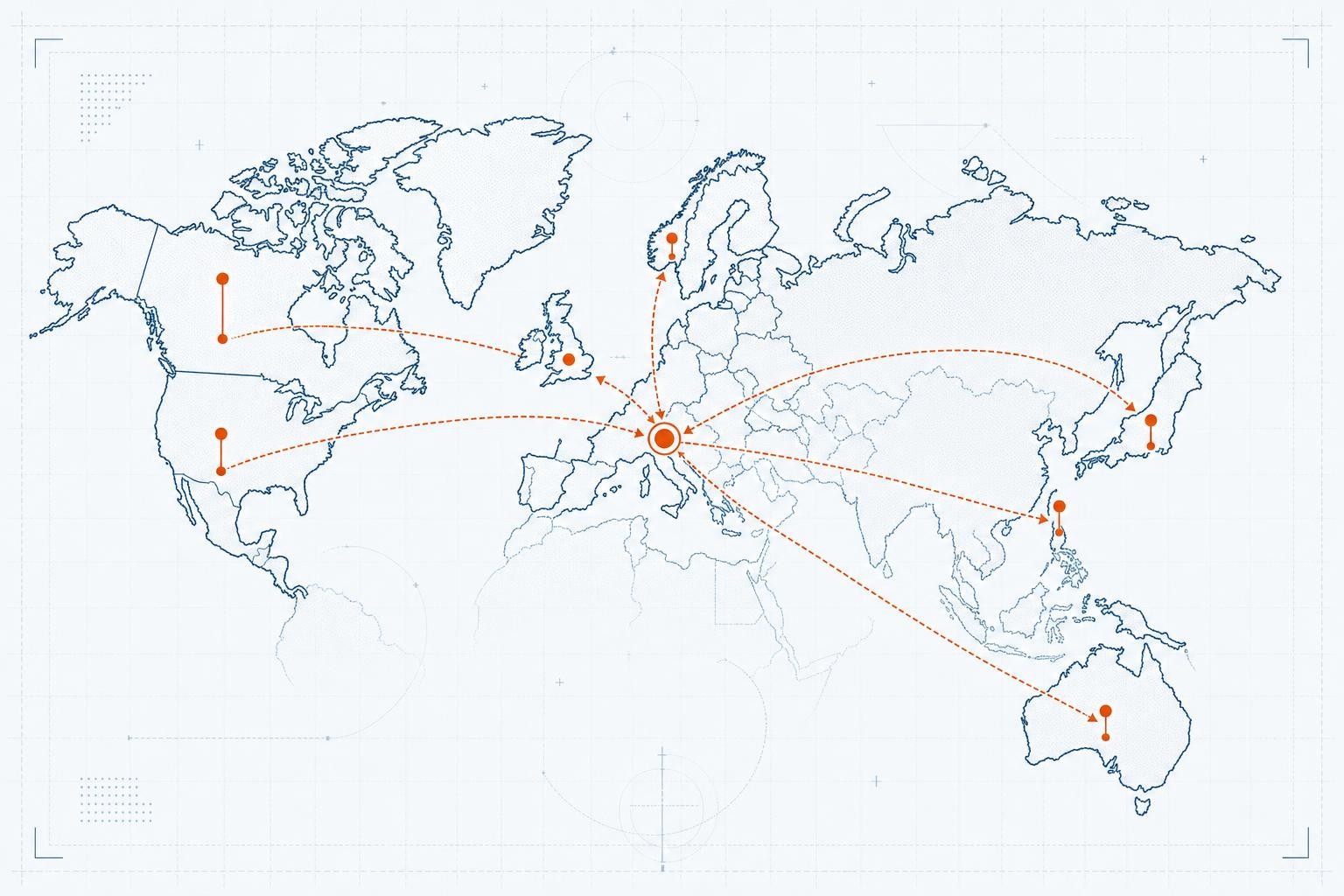
Beyond the EU: The Global Wave of Carbon Border Adjustments Taking Shape in 2026-2027
The EU CBAM is live. The UK follows in 2027. Australia, Canada, the US, Japan, Taiwan, and Norway are all in motion. Here's a plain-English country-by-country guide to what's enacted, proposed, and under study.
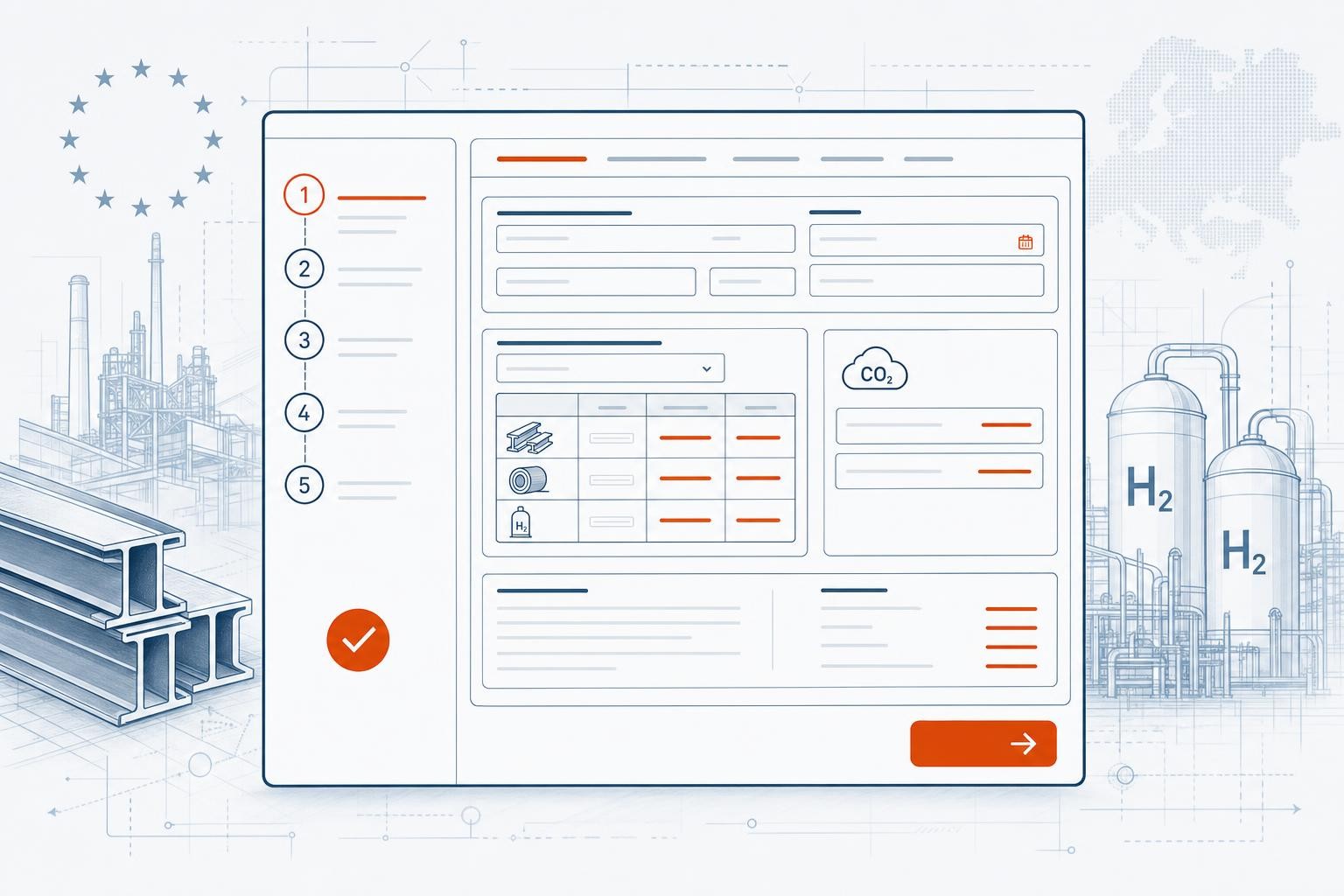
How to File Your First Annual CBAM Declaration: A Step-by-Step Guide for EU Importers
The first annual CBAM declaration is due 30 September 2027, covering all 2026 imports. Here is exactly what you need to file it - who qualifies, what data to gather, and how verification works.
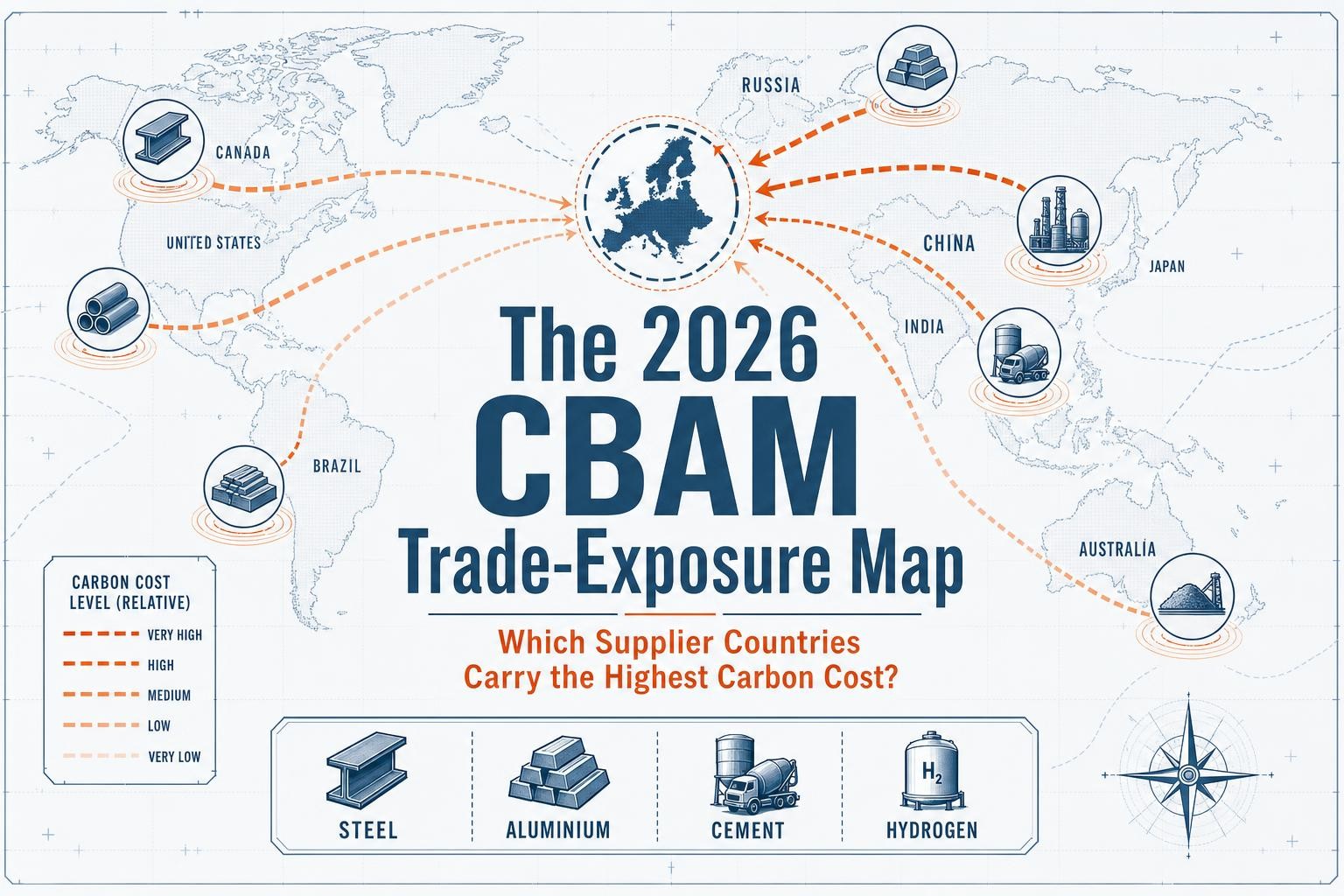
CBAM's 2026 Trade-Exposure Map: Which Supplier Countries Carry the Highest Carbon Cost?
China, India, and Russia dominate EU imports of CBAM goods - but their carbon cost per tonne varies dramatically. Here's how to read the exposure map and what it means for sourcing.
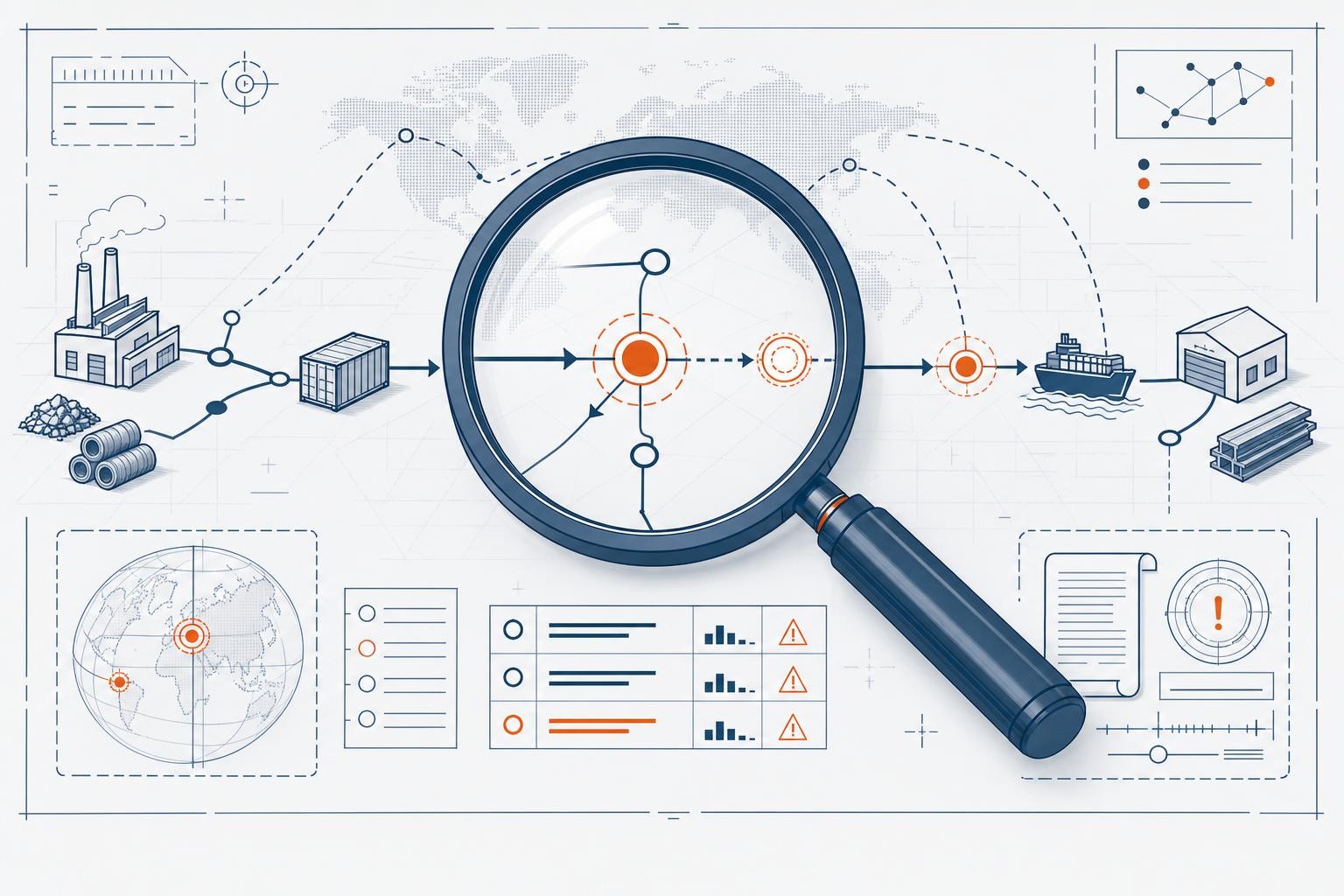
CBAM Circumvention Explained: Resource Shuffling, Slight Modification, and the 2025 Crackdown
The EU's December 2025 CBAM amendment targets resource shuffling, CN-code manipulation, and supply-chain gaming. Here's what counts as circumvention and how to stay on the right side of the line.
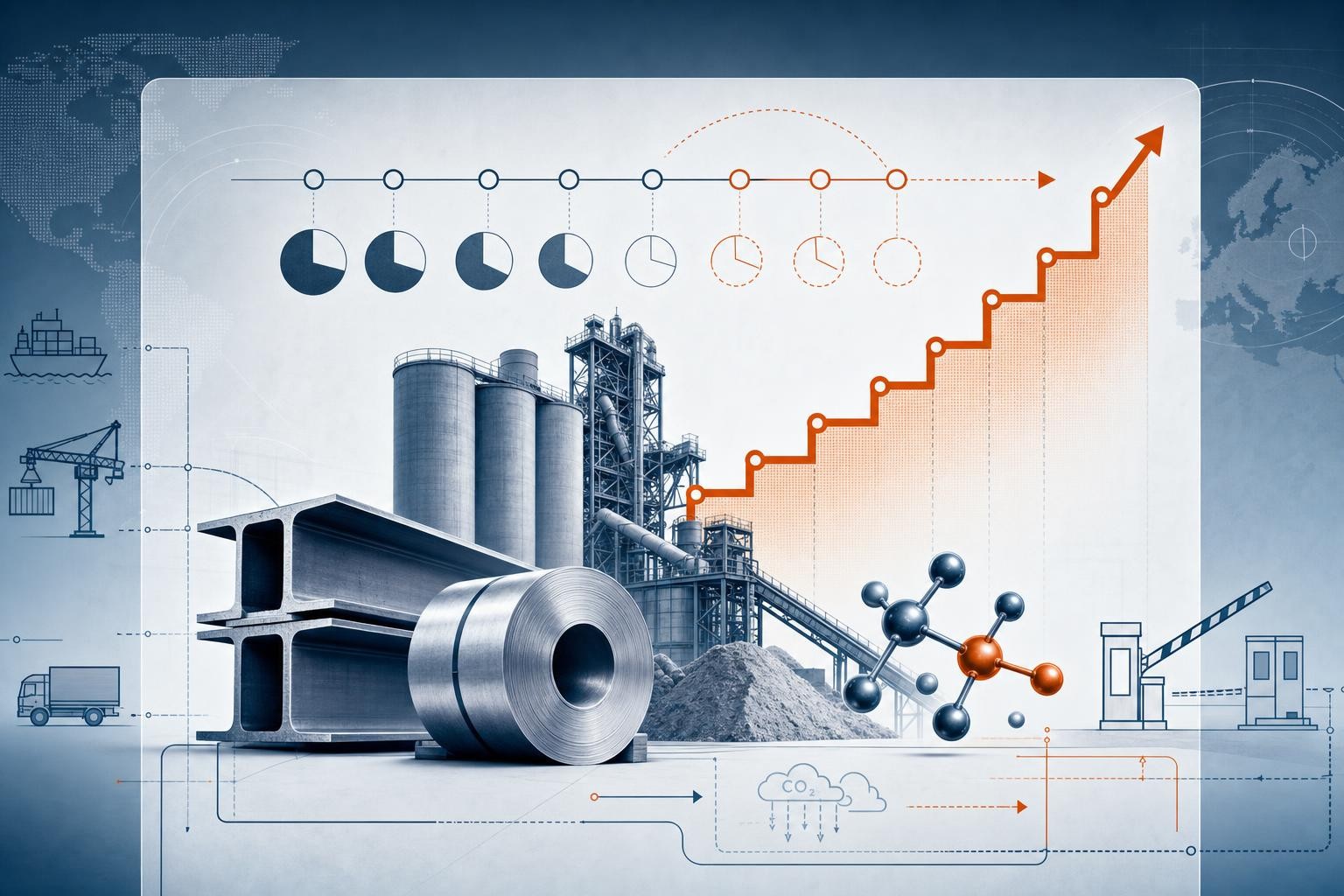
Why Your CBAM Bill Doubles by 2030: The ETS Free-Allocation Countdown
Your CBAM cost isn't fixed - it's engineered to rise every year. Here's the exact ETS free-allocation phase-out schedule, the 2029-2030 cliff, and what to do now.

CBAM Emissions Verification: A Plain-English Guide for EU Importers
If you report actual embedded emissions under CBAM, you need an accredited third-party verifier. Here's how verification works, who qualifies, what it costs, and why you need to act now.
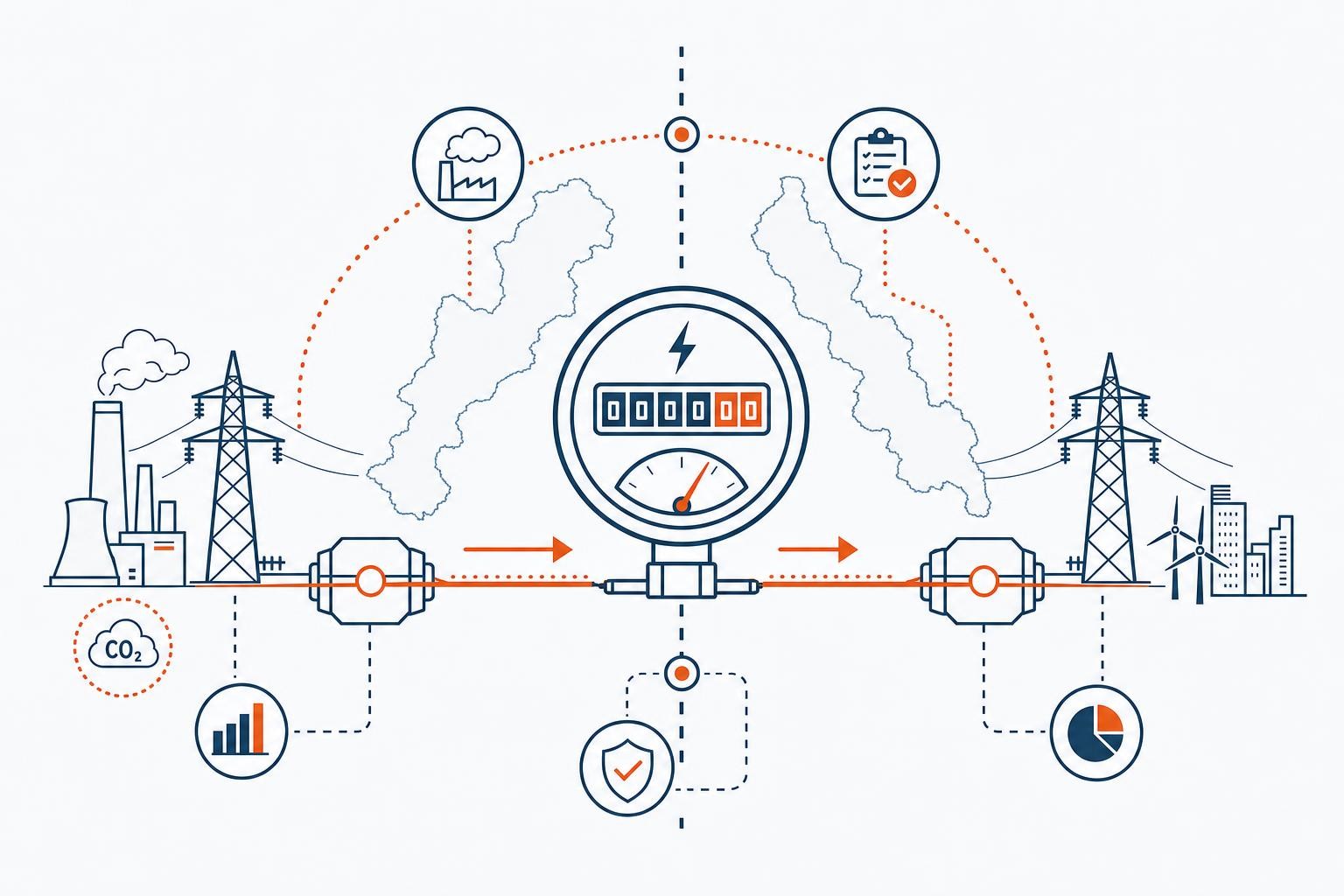
CBAM and Electricity Imports: A Plain-English Guide for Cross-Border Power Traders
Electricity has its own CBAM rules - no 50-tonne exemption, country-specific default emission factors, and a direct-emissions-only scope. Here's what cross-border power importers need to know for 2026.
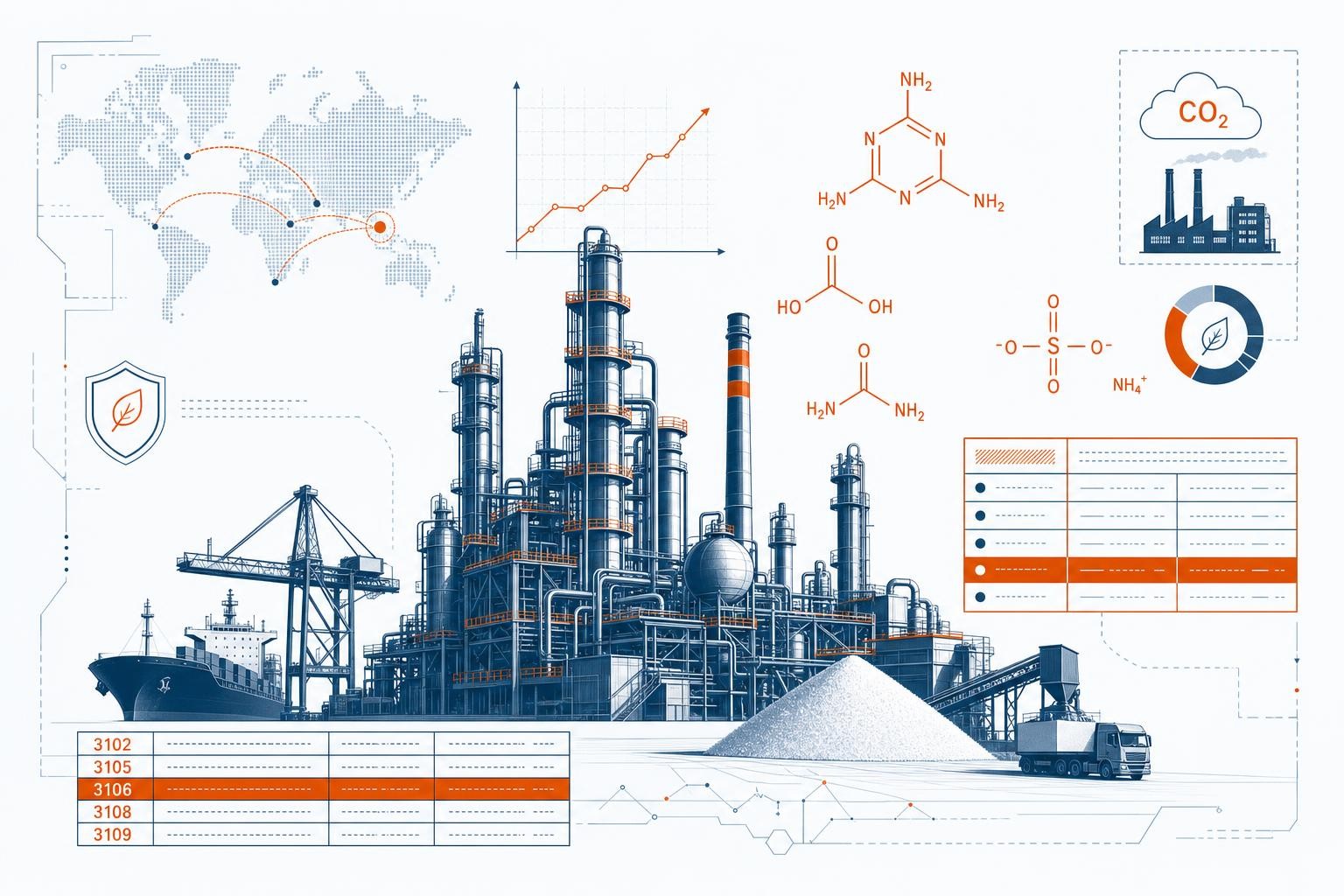
CBAM and Fertilisers: A Plain-English Guide for Importers
Fertilisers are in CBAM's definitive phase from 1 January 2026. This plain-English guide covers scope, CN codes, N₂O emissions, default vs actual values, and practical first steps.
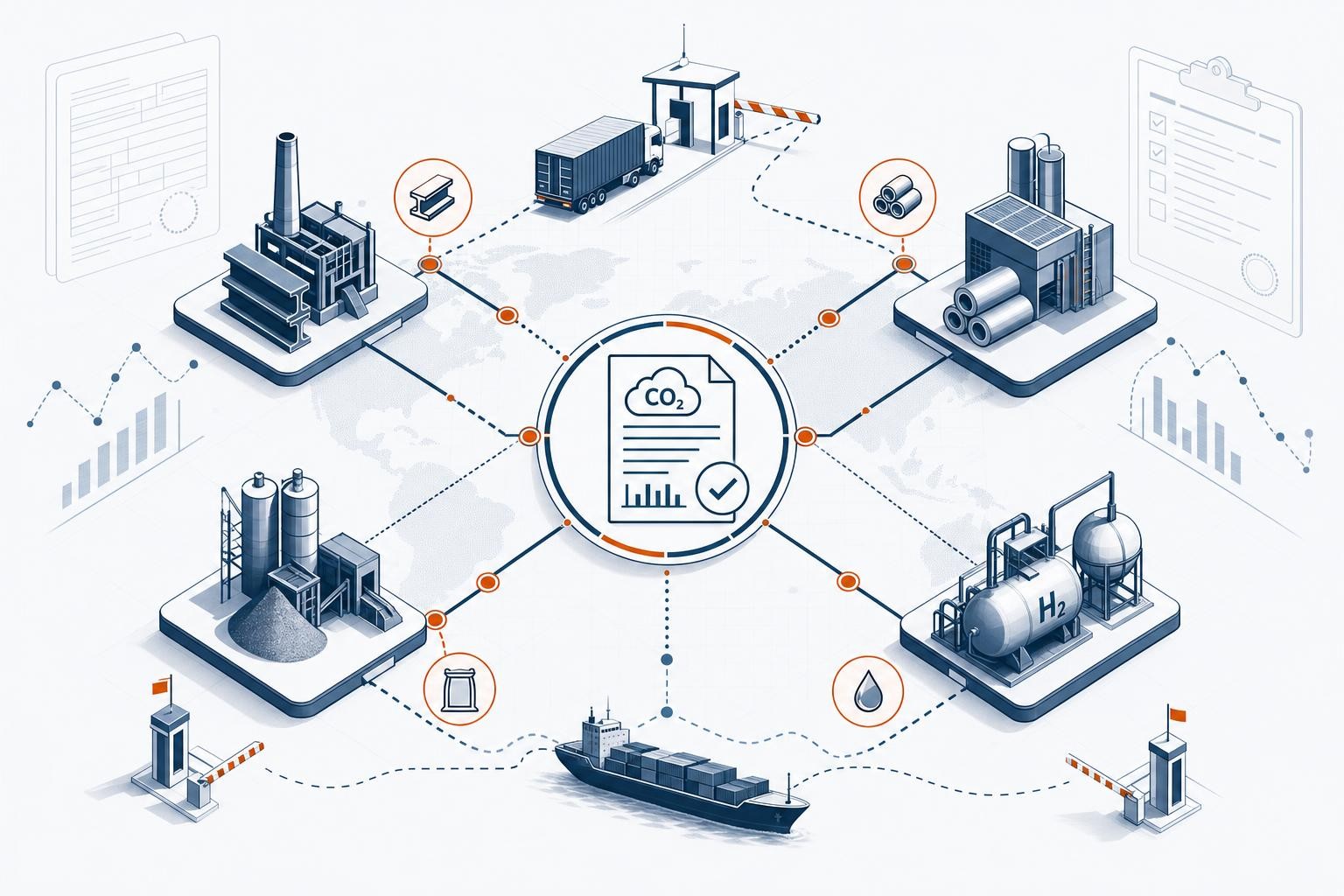
How to Collect Embedded-Emissions Data from Your Non-EU Suppliers for CBAM
Default values carry a deliberate mark-up, so actual supplier data usually means fewer certificates. Here's a practical playbook for getting verified emissions data from your non-EU suppliers using the Commission's Communication Template.
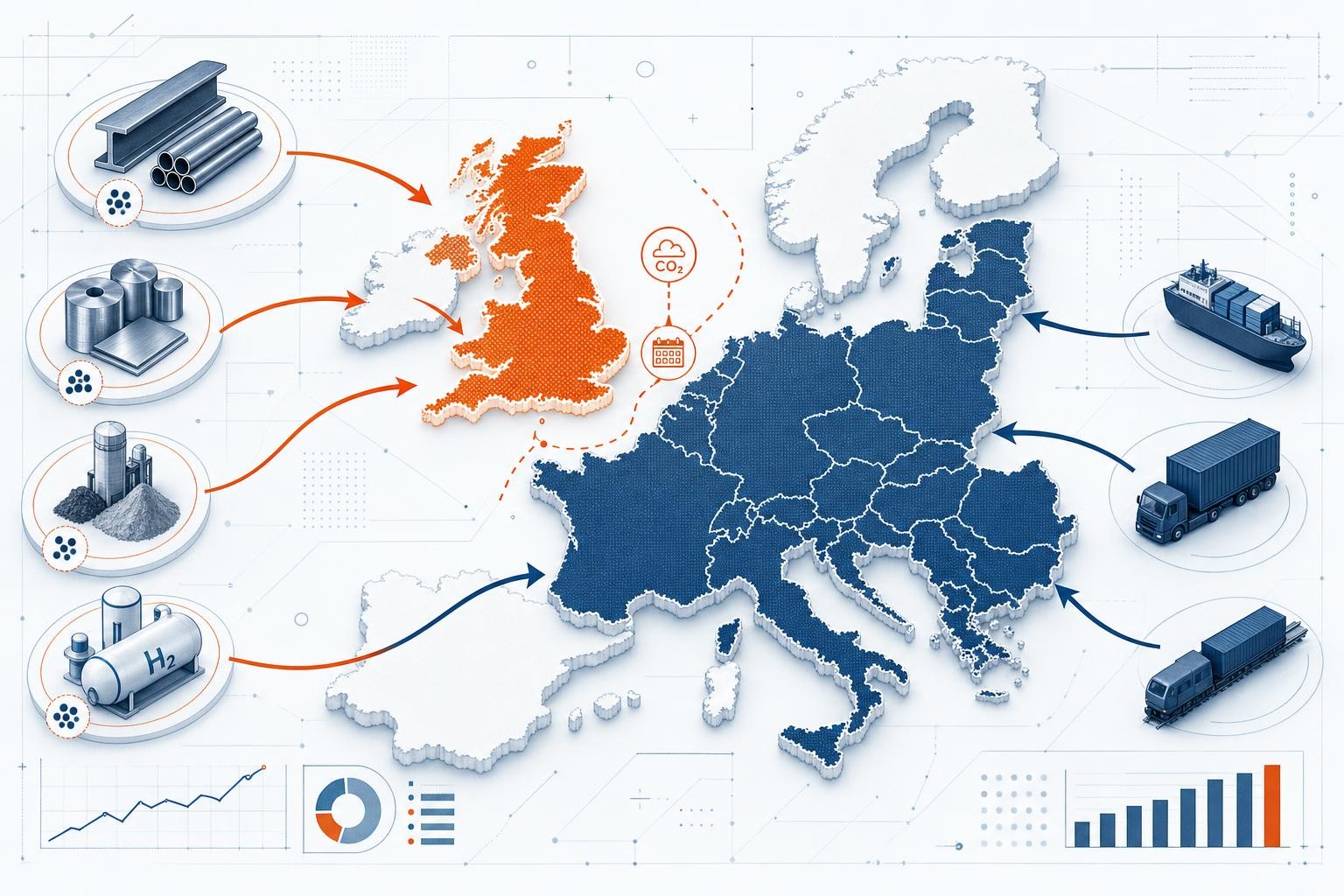
The UK CBAM Arrives in 2027: How It Differs from the EU's
The UK launches its own carbon border levy on 1 January 2027 - with a £50,000 threshold, no certificate trading, and electricity left out. Here's how it compares to the EU CBAM and what dual-market importers should do now.
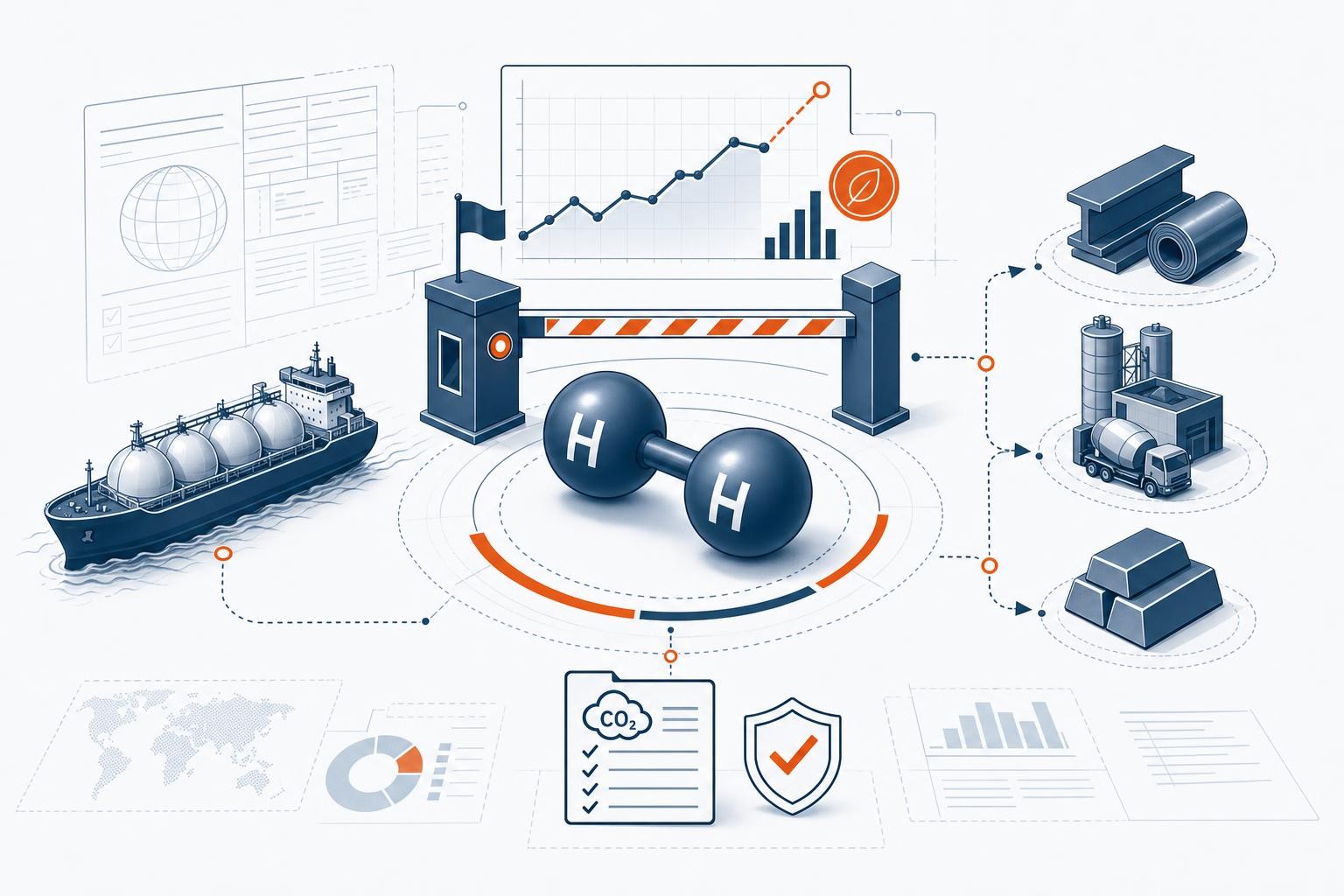
CBAM and Hydrogen: A Plain-English Guide for Importers
Hydrogen is one of CBAM's six covered sectors - and one of only two with no 50-tonne exemption. Here's what that means for importers, how embedded emissions are counted, and what to do first.
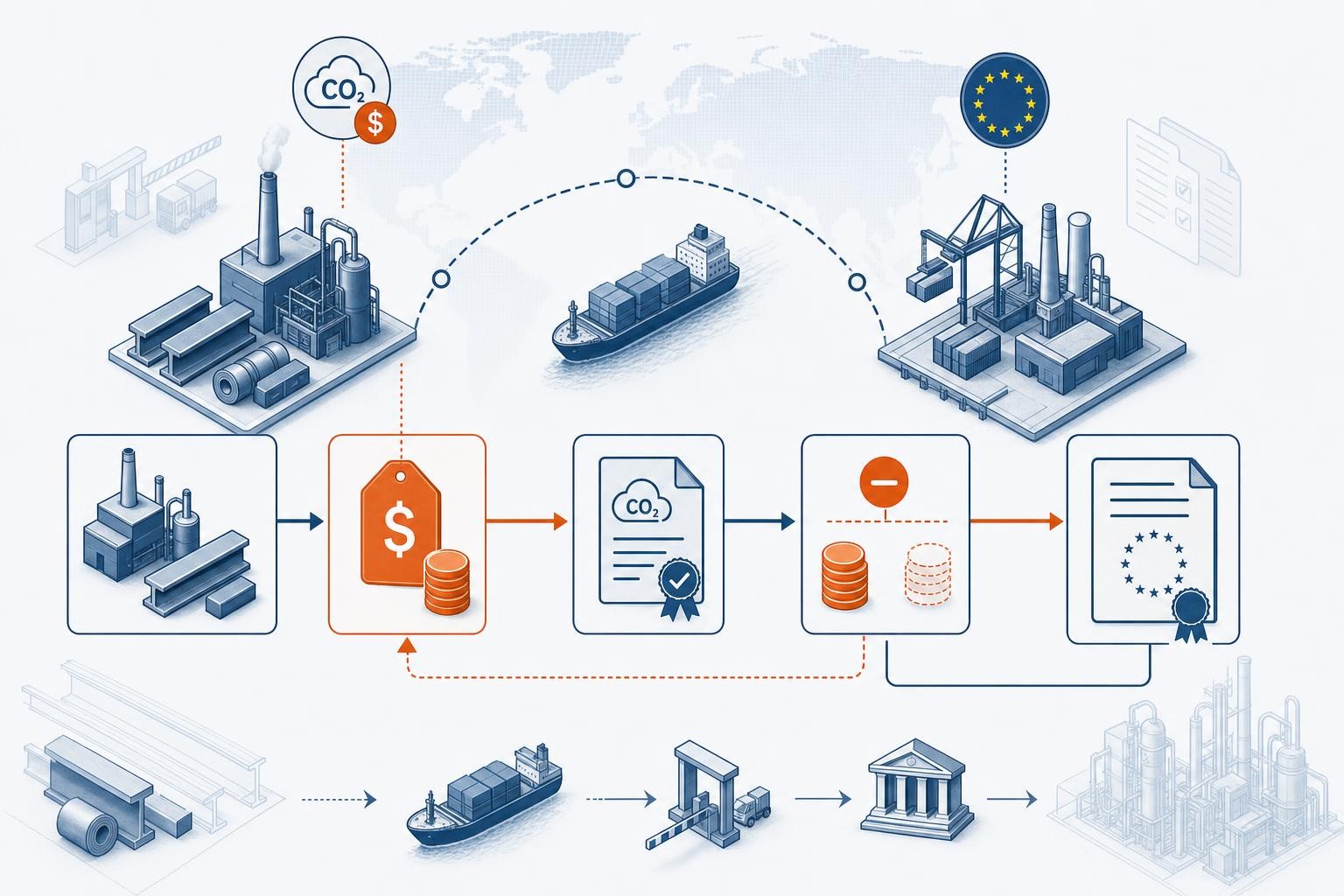
How to Deduct a Carbon Price Already Paid Abroad from Your CBAM Bill
The EU's June 2026 draft implementing rules finally explain how importers can offset a carbon price paid in a supplier's country against their CBAM certificate obligation. Here's what the rules say.
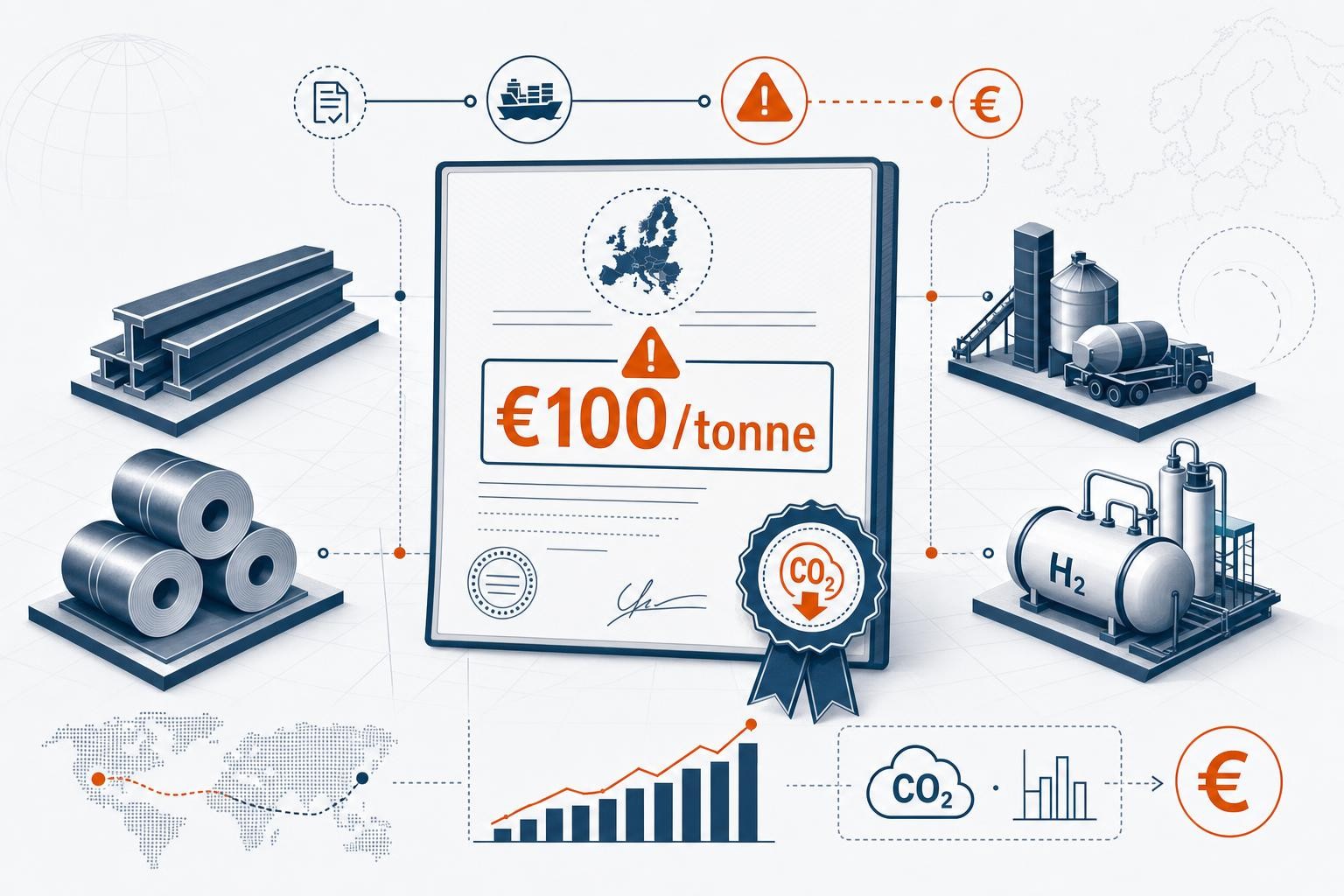
CBAM Penalties Explained: What EU Importers Risk in the Definitive Period
The CBAM definitive period is live. Miss the surrender deadline or breach the quarterly holding rule and you face €100/tonne - plus you still owe the certificates. Here's exactly how it works.
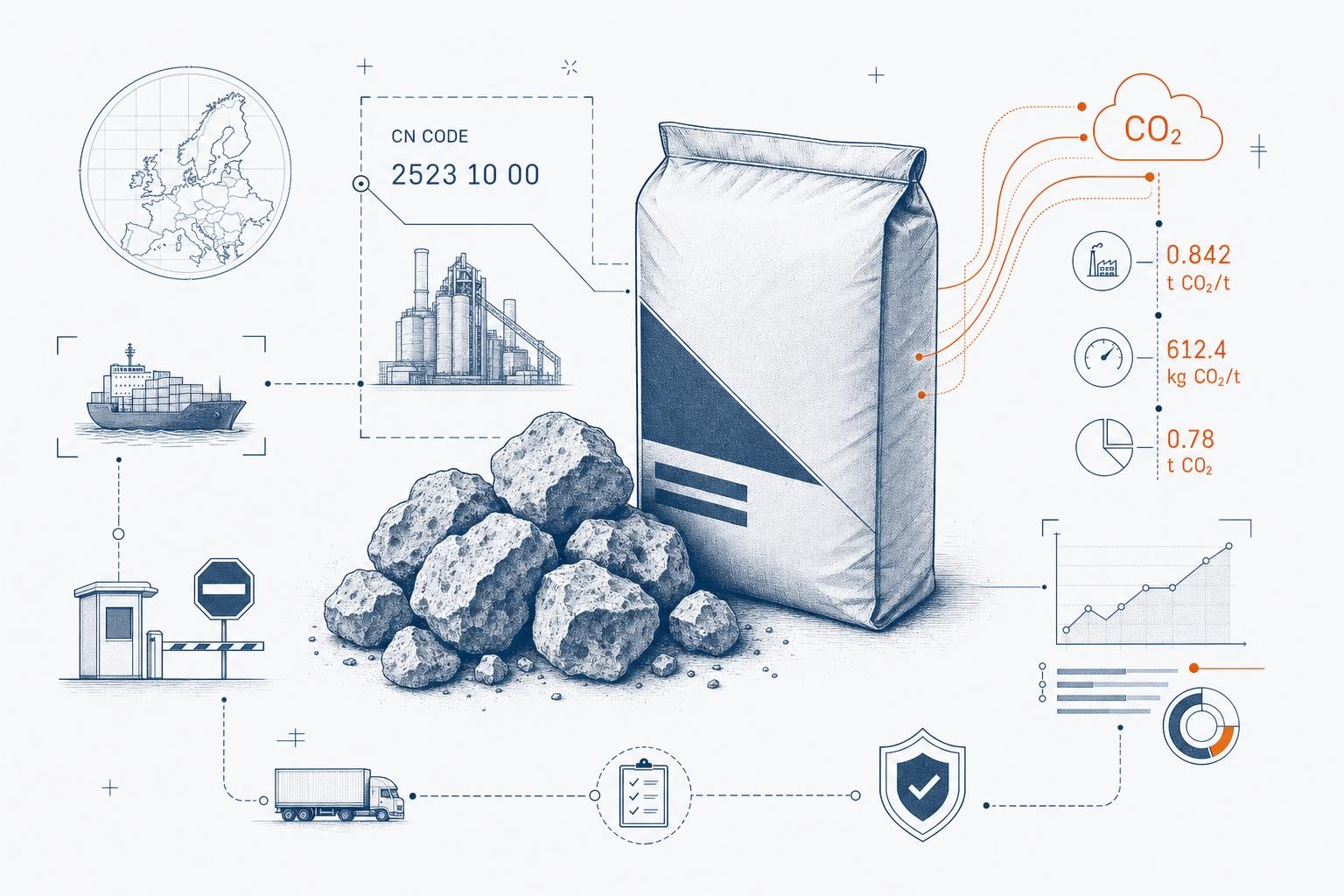
CBAM and Cement: A Plain-English Guide for EU Importers
Cement and clinker are in CBAM's definitive phase from 1 Jan 2026. This plain-English guide covers CN codes, why process emissions make cement uniquely exposed, default-value penalties, and what to do first.
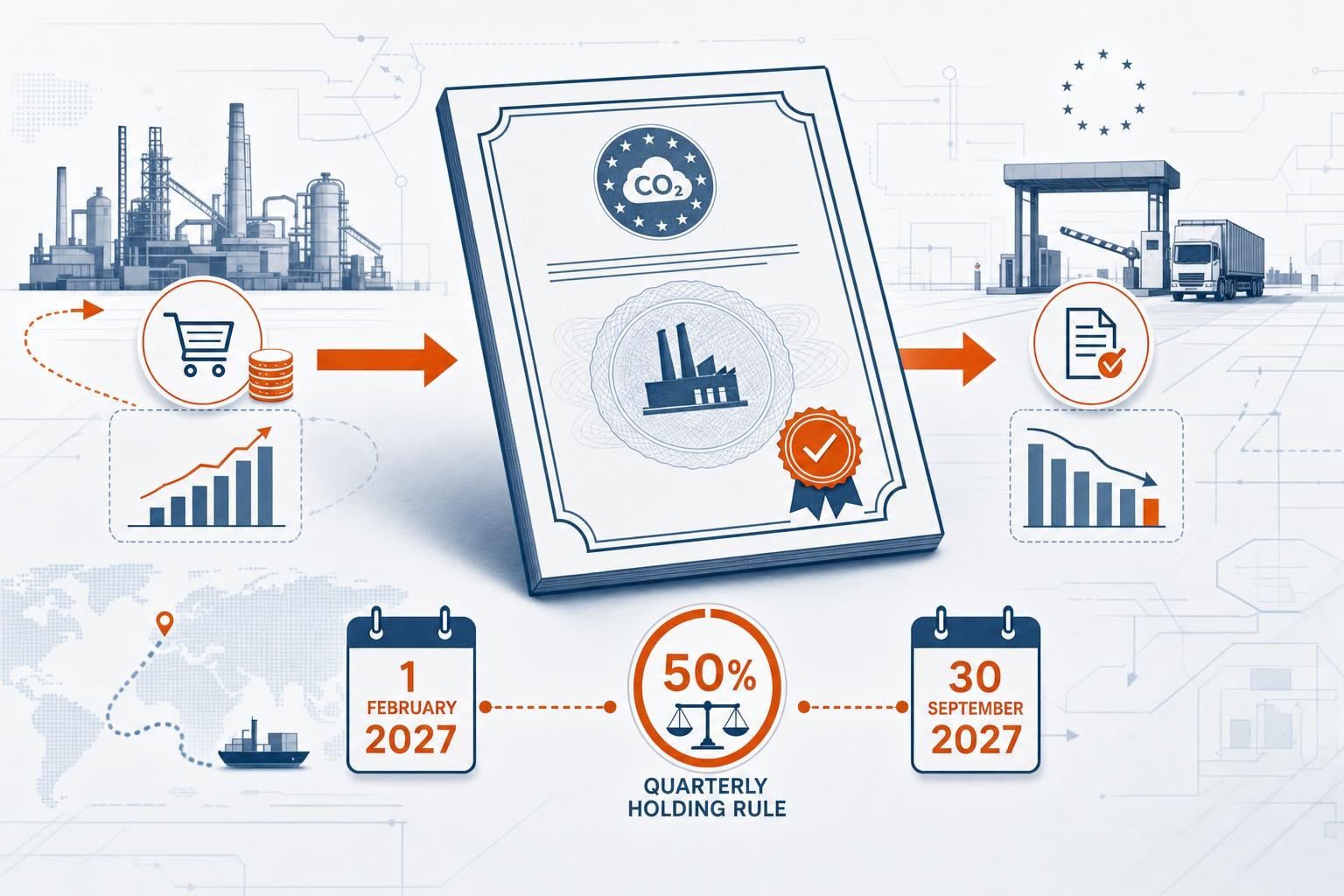
CBAM certificates: how buying and surrendering will work from 2027
Certificate sales start on 1 February 2027 on a central EU platform. Here's how purchasing, the 50% quarterly holding rule, and the first surrender deadline of 30 September 2027 actually work.
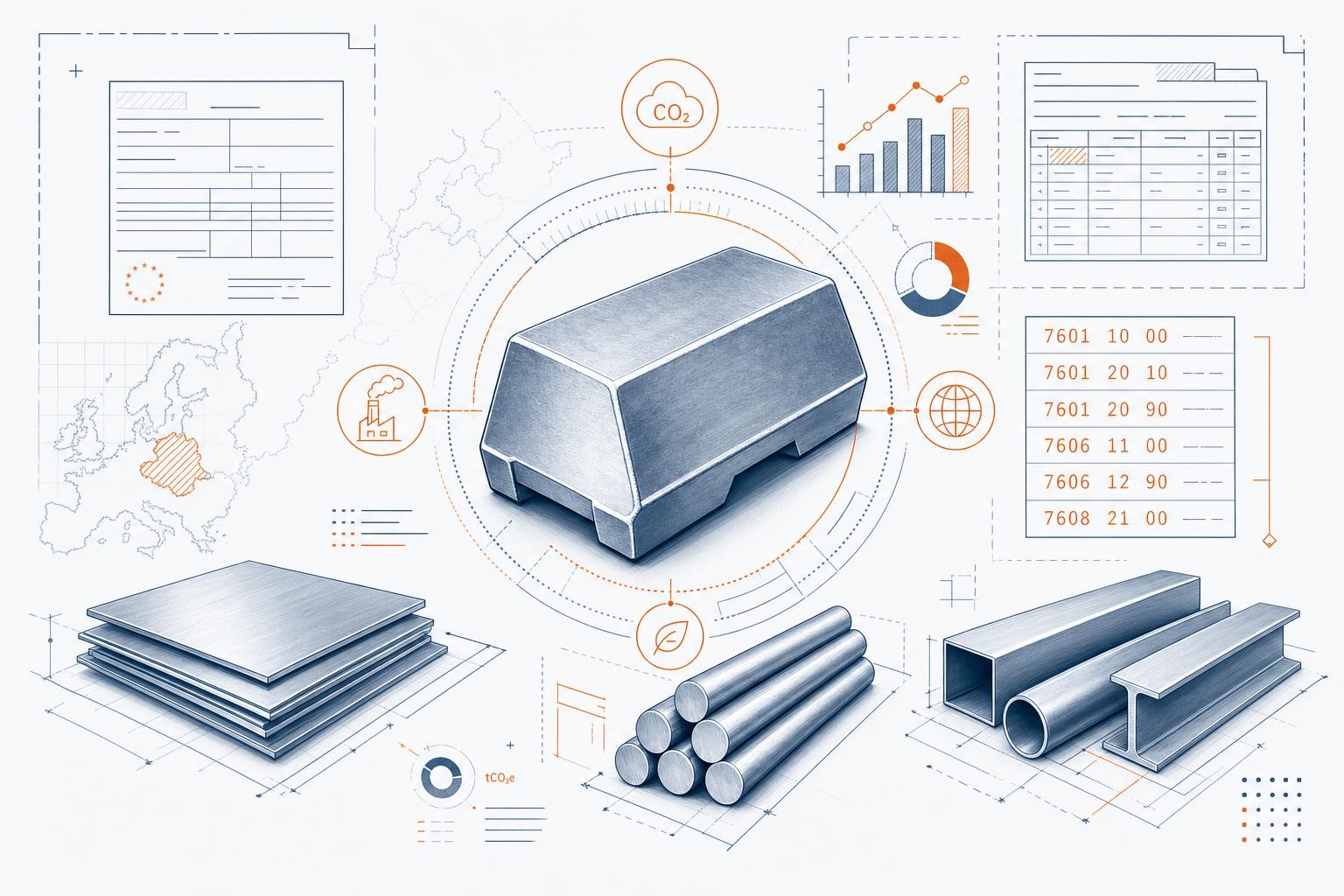
CBAM and Aluminium: A Plain-English Guide for Importers
Aluminium is one of CBAM's six covered sectors. This guide explains scope and CN codes, how embedded emissions are counted, the default-value mark-up, and the practical first steps for importers.
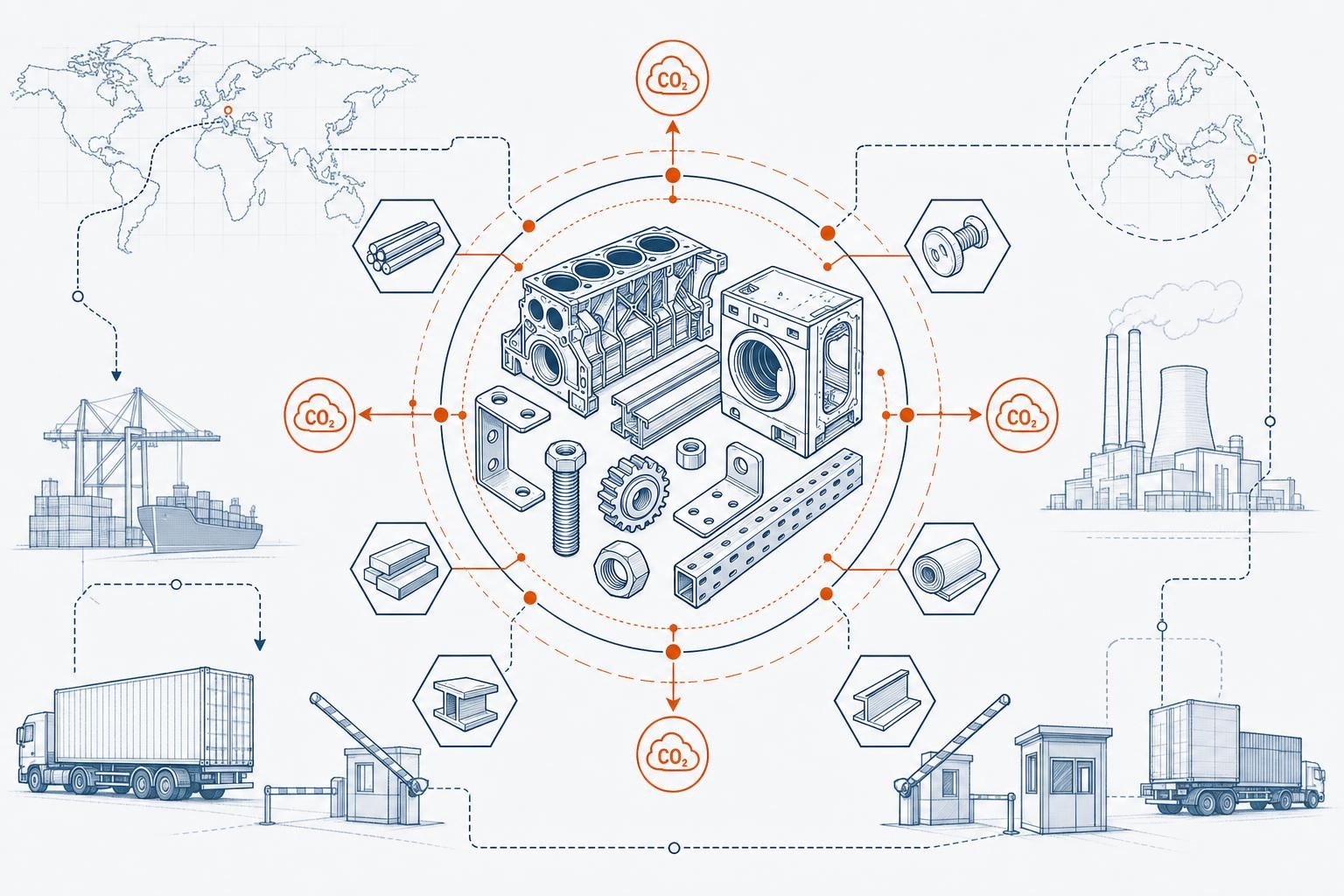
CBAM's downstream extension: the 180 new products coming in 2028
In December 2025 the Commission proposed pulling roughly 180 downstream products - from screws and bolts to engines and washing machines - into CBAM from 2028. Here's what's in scope, who it affects, and how to prepare.
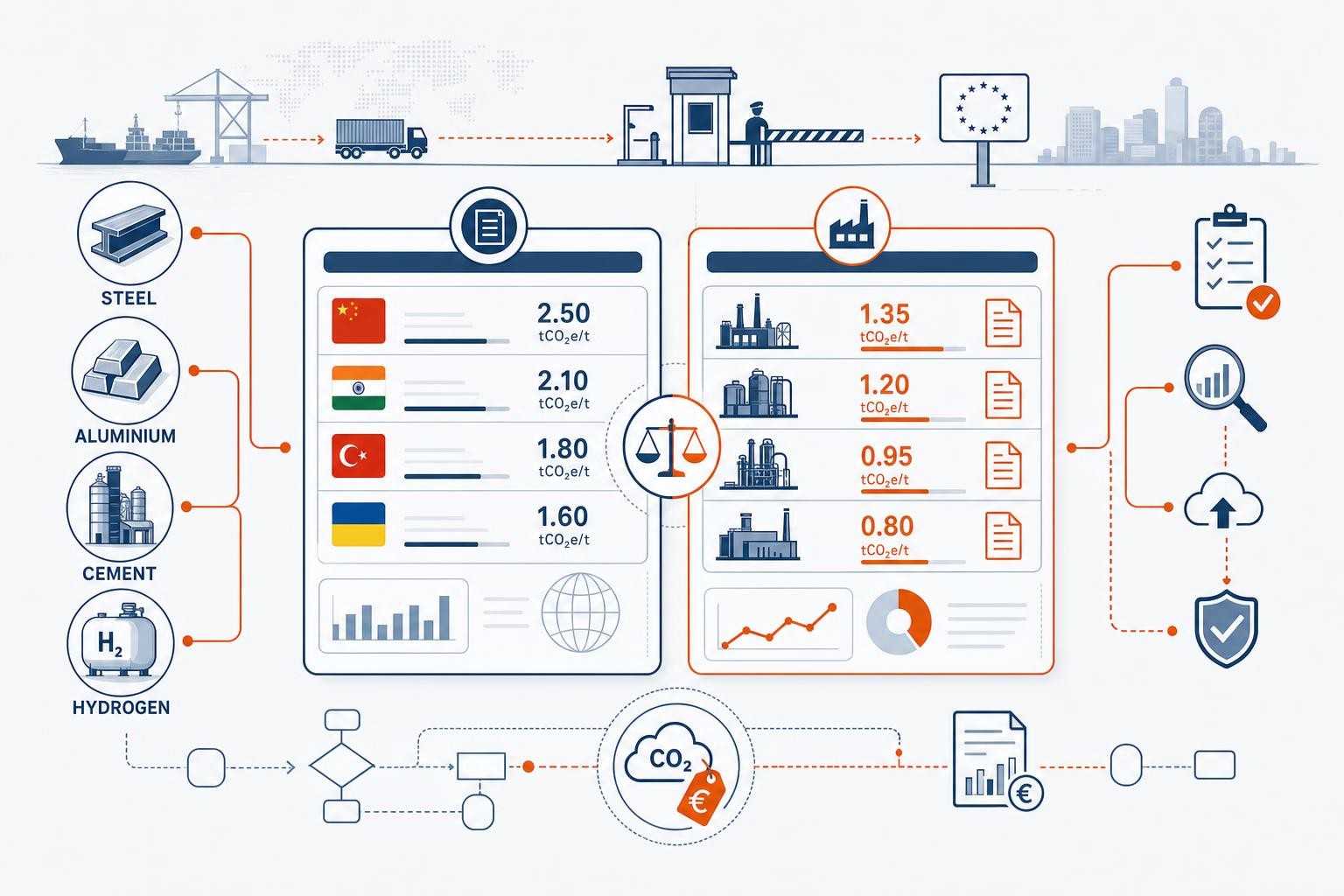
CBAM Default Values vs Actual Values: Which Should You Use?
Default or actual emissions values for CBAM? A plain-English guide to the mark-ups, verification rules, and costs - so you can choose the right approach for your imports.
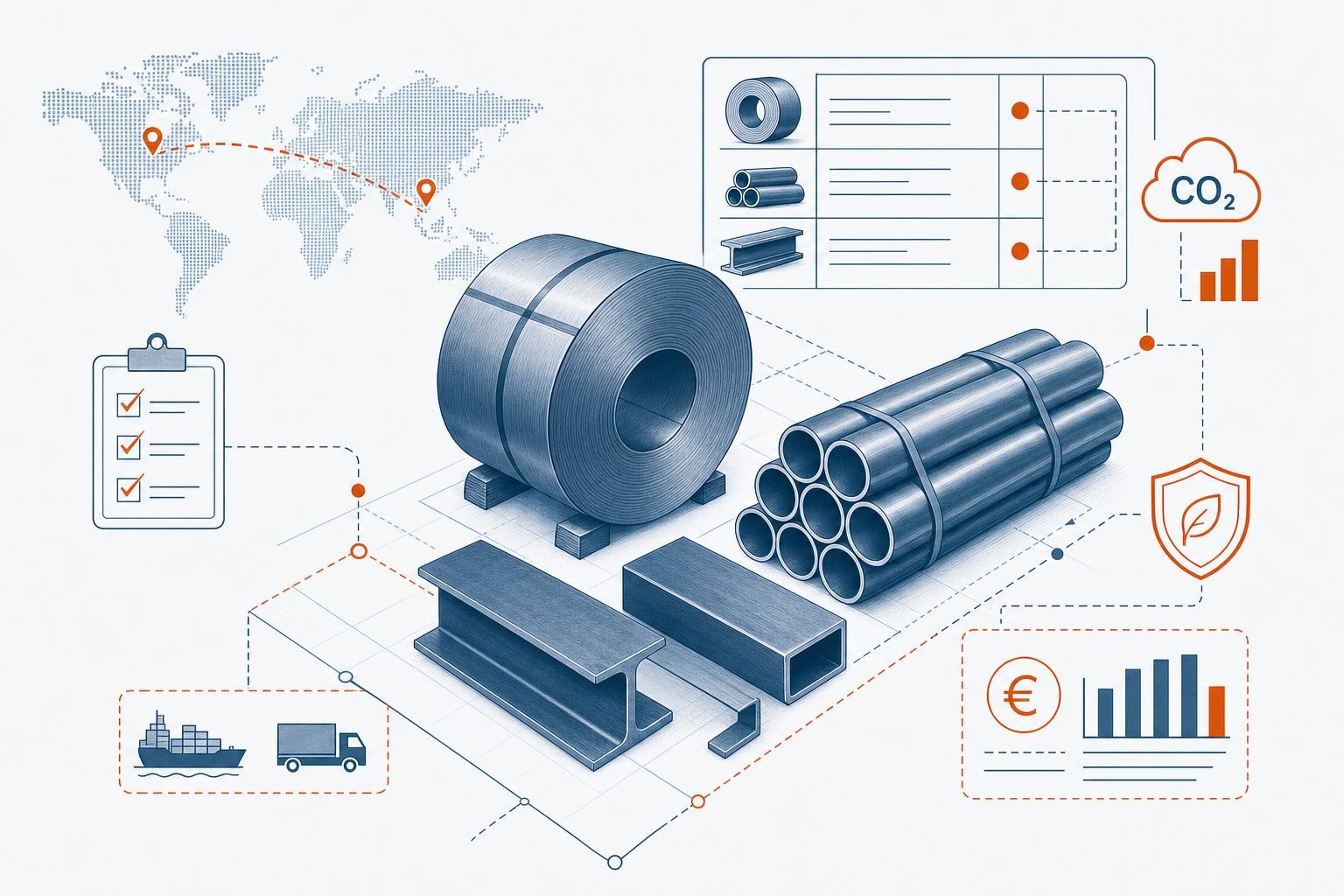
CBAM and Iron & Steel: A Plain-English Guide for Importers
Steel is one of CBAM's six covered sectors. This plain-English guide explains scope, CN codes, downstream items, how embedded emissions are counted, default vs actual values, and what to do first.
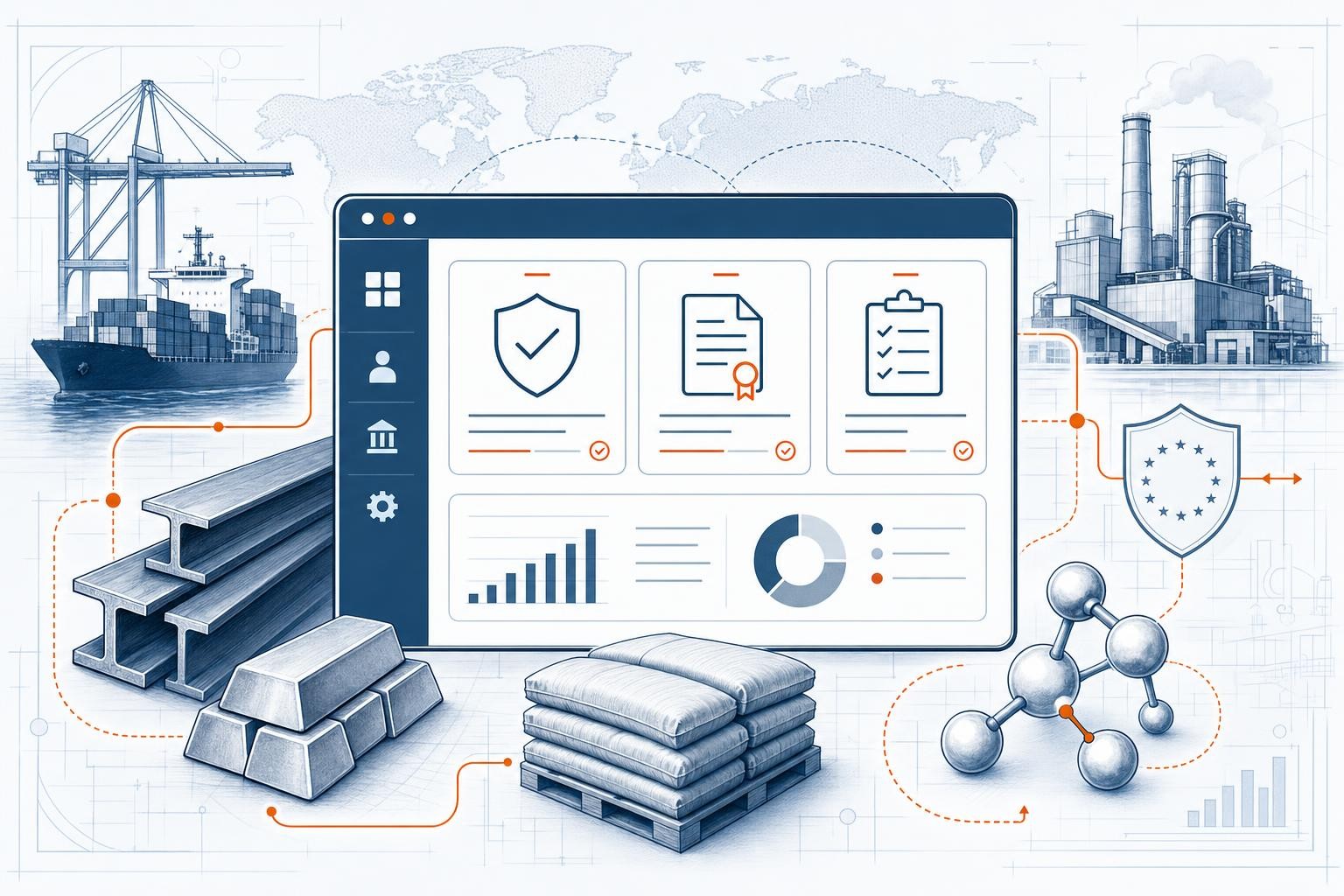
The CBAM Registry: A Plain-English Guide for EU Importers
What the CBAM Registry is, how to access it via the EU Customs Trader Portal, how to become an authorised declarant, and what to do if you missed the March 2026 deadline.
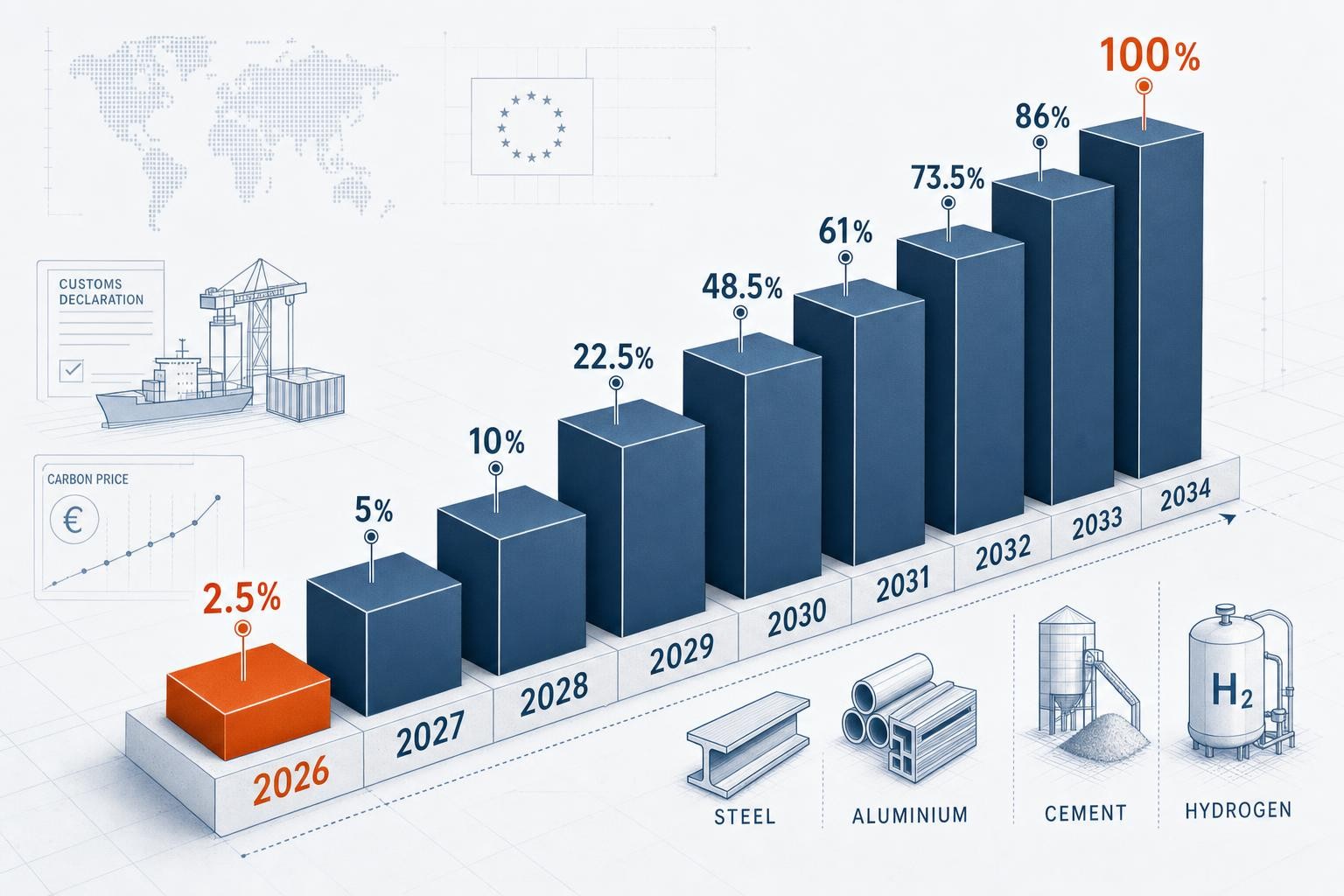
How much will CBAM cost in 2026? The factor ramp, explained
CBAM's certificate price is €75.36/tonne - but you don't pay on all your emissions yet. The CBAM factor starts at just 2.5% in 2026 and climbs to 100% by 2034. Here's how to estimate the bill, with a worked example.
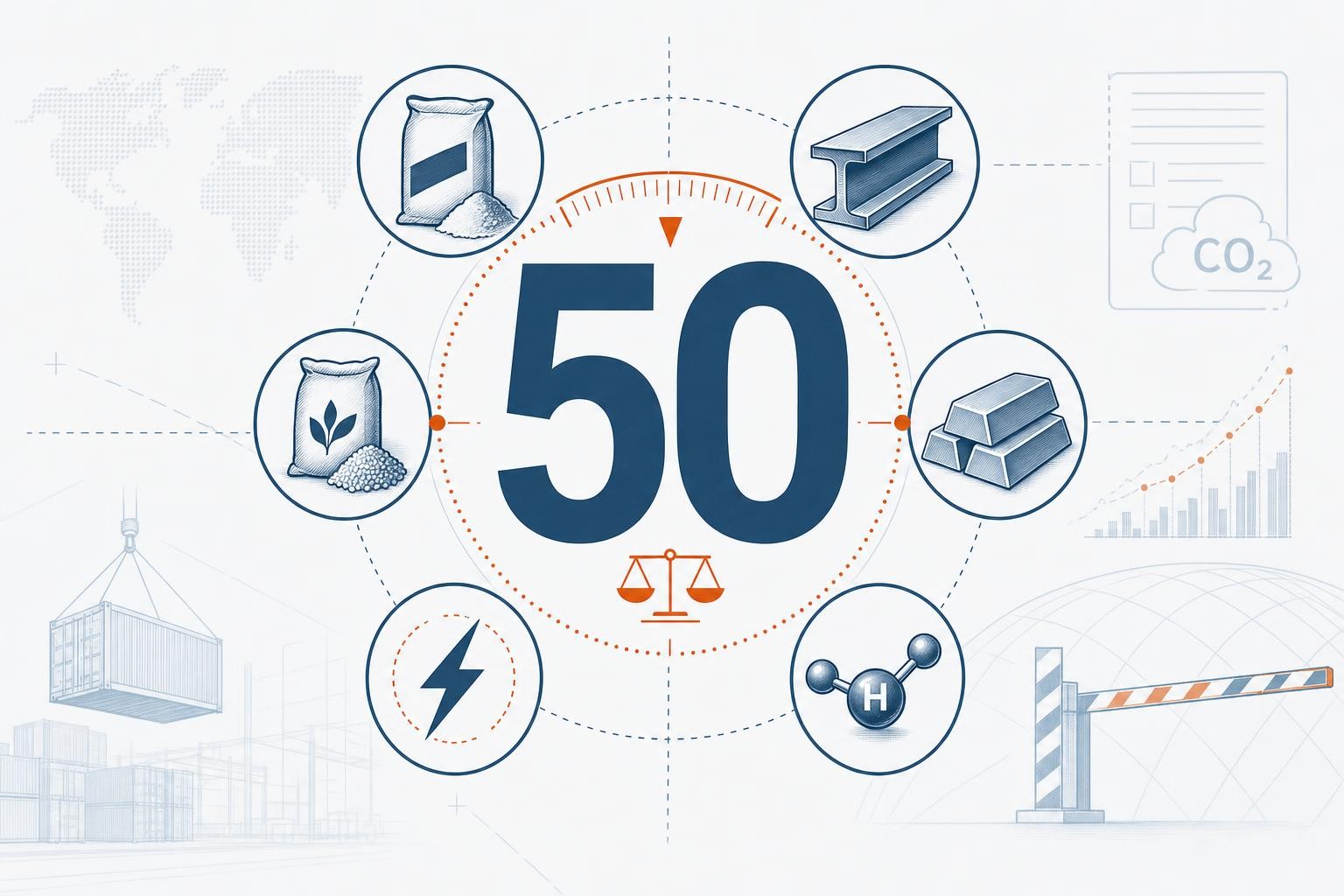
Does CBAM apply to you? The 50-tonne threshold, explained
Since the 2025 Omnibus, a single 50-tonne rule decides whether CBAM applies to you - with one big exception for electricity and hydrogen. Here's how to tell which side of the line you're on.
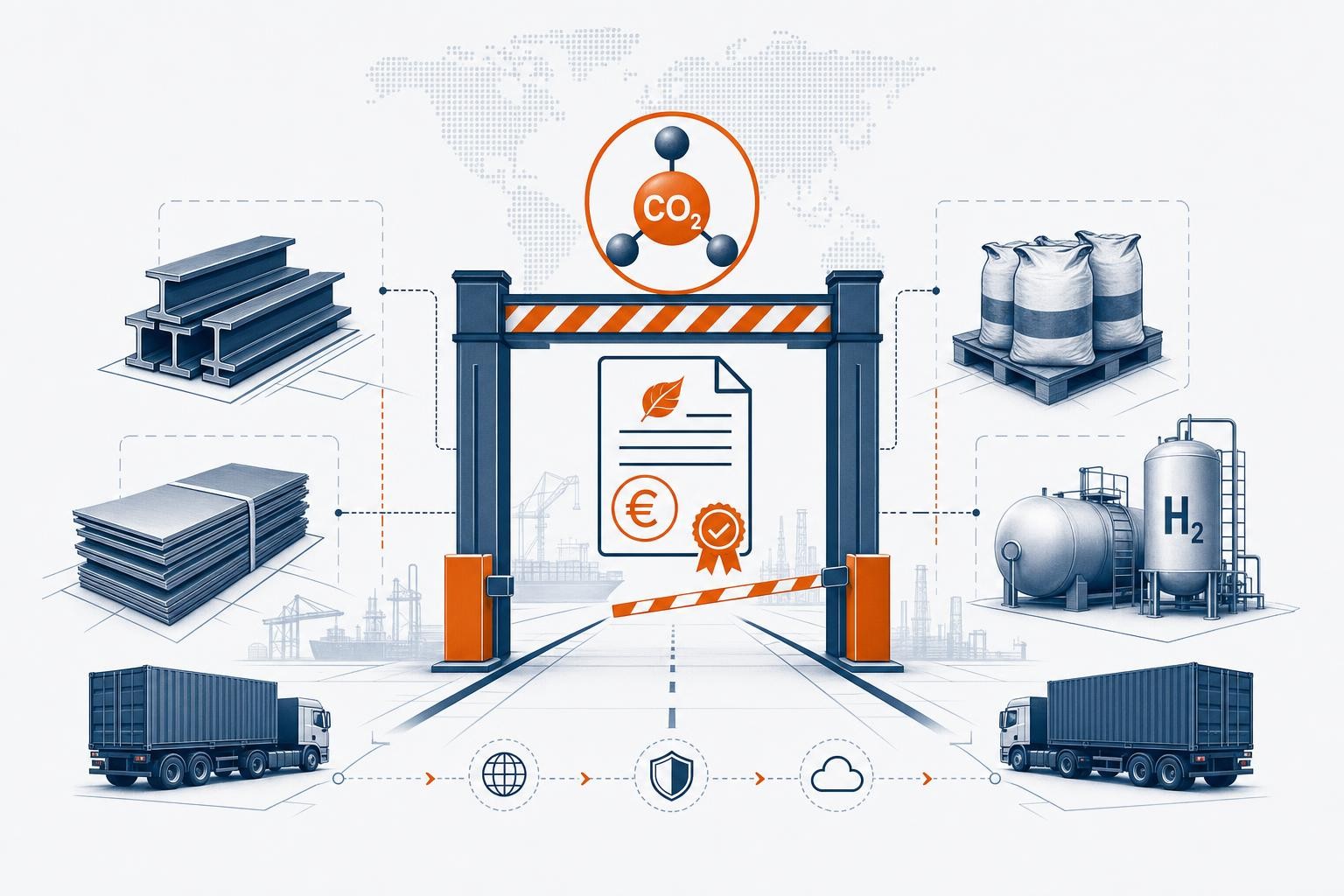
CBAM is live: what the definitive period means for importers in 2026
The CBAM definitive period has been live since 1 January 2026. Here's what actually changed from the transitional reporting phase - the authorised declarant, certificates, the €75.36 price - and the dates and duties that matter this year.