Does CBAM apply to you? The 50-tonne threshold, explained
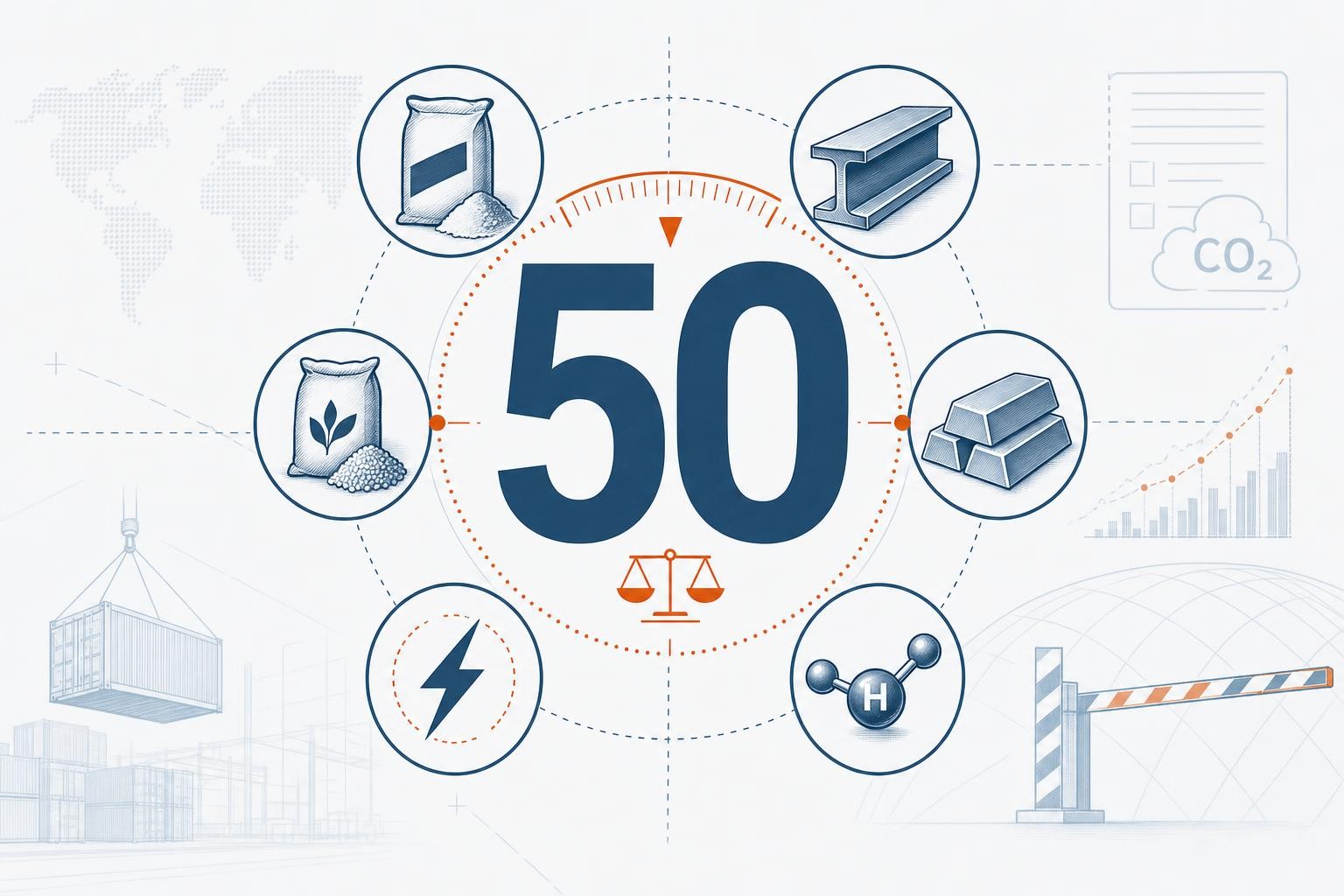
Since the 2025 "Omnibus" simplification, working out whether CBAM applies to you comes down to one number - 50 tonnes - plus one important exception. Here is the plain-English version.
The six goods CBAM covers
CBAM applies only to imports of six categories of goods, defined by their CN customs codes in Annex I of Regulation (EU) 2023/956:
- cement
- iron & steel
- aluminium
- fertilisers
- electricity
- hydrogen
If you do not import any of these into the EU, CBAM does not apply to you. Coverage follows the CN code of the good you import, not what you make from it: a steel sheet is covered; a washing machine made from steel is not. Watch the edges, though - some downstream steel and aluminium items (screws, bolts, nuts, washers, tubes, pipes and fittings) are deliberately in scope.
The 50-tonne threshold
This is the rule that changed everything. If your cumulative annual net mass of cement, steel, aluminium and fertilisers is 50 tonnes or less, you are exempt from authorisation, reporting and certificate surrender. The threshold:
- is measured per importer, per year;
- is cumulative across those four sectors - several small shipments add up;
- replaced the old €150-per-consignment rule.
The Commission estimates it exempts around 90% of importers - mostly SMEs - while still capturing more than 99% of emissions.
The exception that catches people out
Electricity and hydrogen are never exempt. The 50-tonne de-minimis does not apply to them: import either, in any quantity, and you are in scope. If you import power or hydrogen, do not let the "50 tonnes" headline lull you.
One more carve-out: origin
Goods originating in countries already inside or linked to the EU ETS - Norway, Iceland, Liechtenstein and Switzerland - are outside CBAM. If all your covered goods come from there, you are out.
So... are you in scope?
Put simply, you are in scope if you:
- import one of the six goods into the EU, and
- import more than 50 tonnes a year of cement, steel, aluminium or fertilisers (or any electricity/hydrogen), and
- the goods do not originate in an EU-ETS-linked country.
If that is you, your next step is to become - or appoint - an authorised CBAM declarant and get CBAM Registry access before you keep importing.
The fastest way to get a personalised answer is our free CBAM scope checker: a few questions, a clear verdict, and the next steps for your situation. From there, the CBAM compliance guide lays out the full to-do list.
Rules on the edges - downstream products, new default values - are still moving. Subscribe to The CBAM Brief and we will flag the changes that affect scope.
This is plain-English guidance, not legal or tax advice. The authoritative list of covered goods is Annex I of Regulation (EU) 2023/956.
Related reading
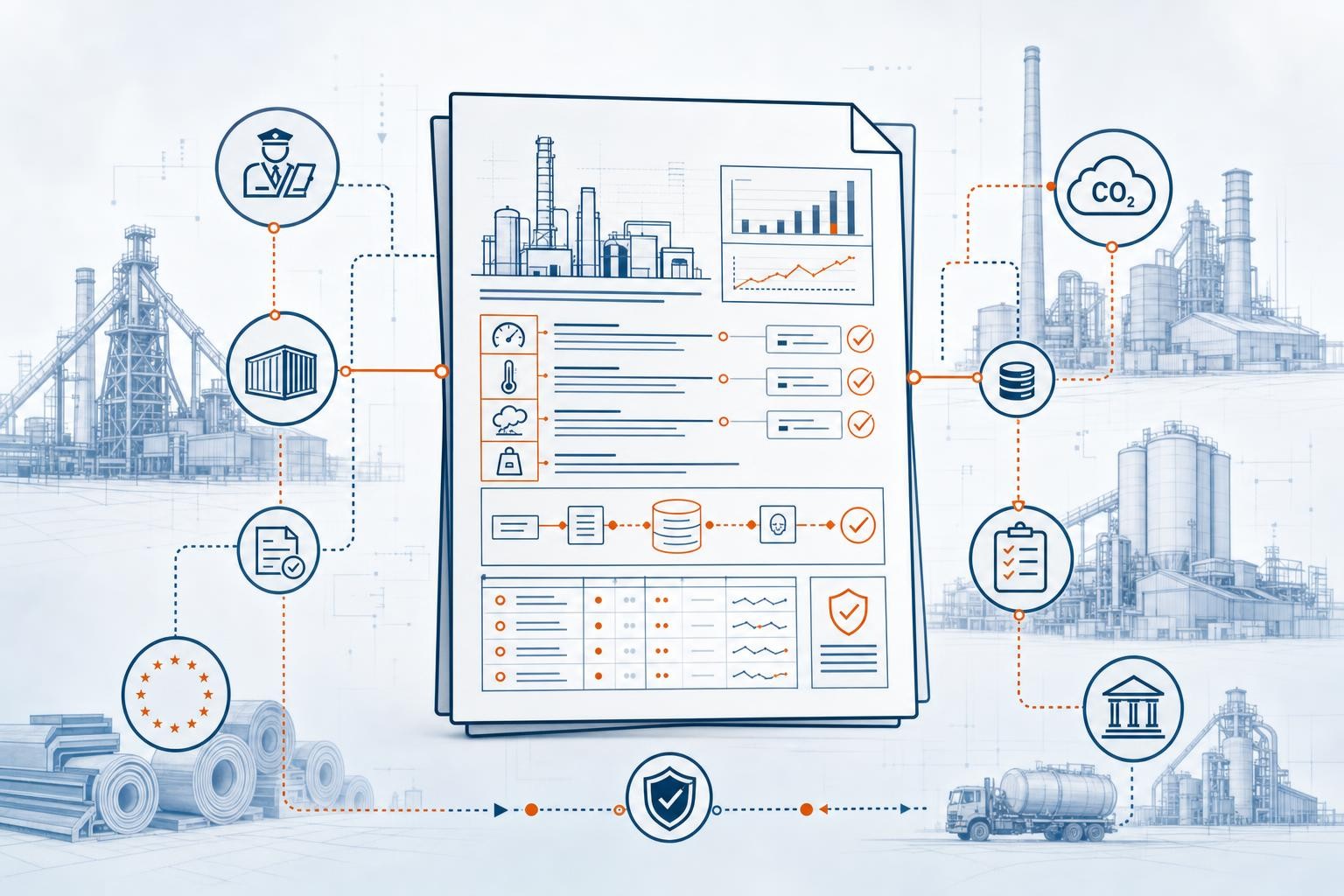
CBAM Monitoring Plans: What Installation-Level Data Quality Actually Requires
The monitoring plan - not just the final emissions number - is now the primary object of CBAM scrutiny. Here's what IR 2025/2547 requires at the installation level, and why traceability is the recurring failure point.
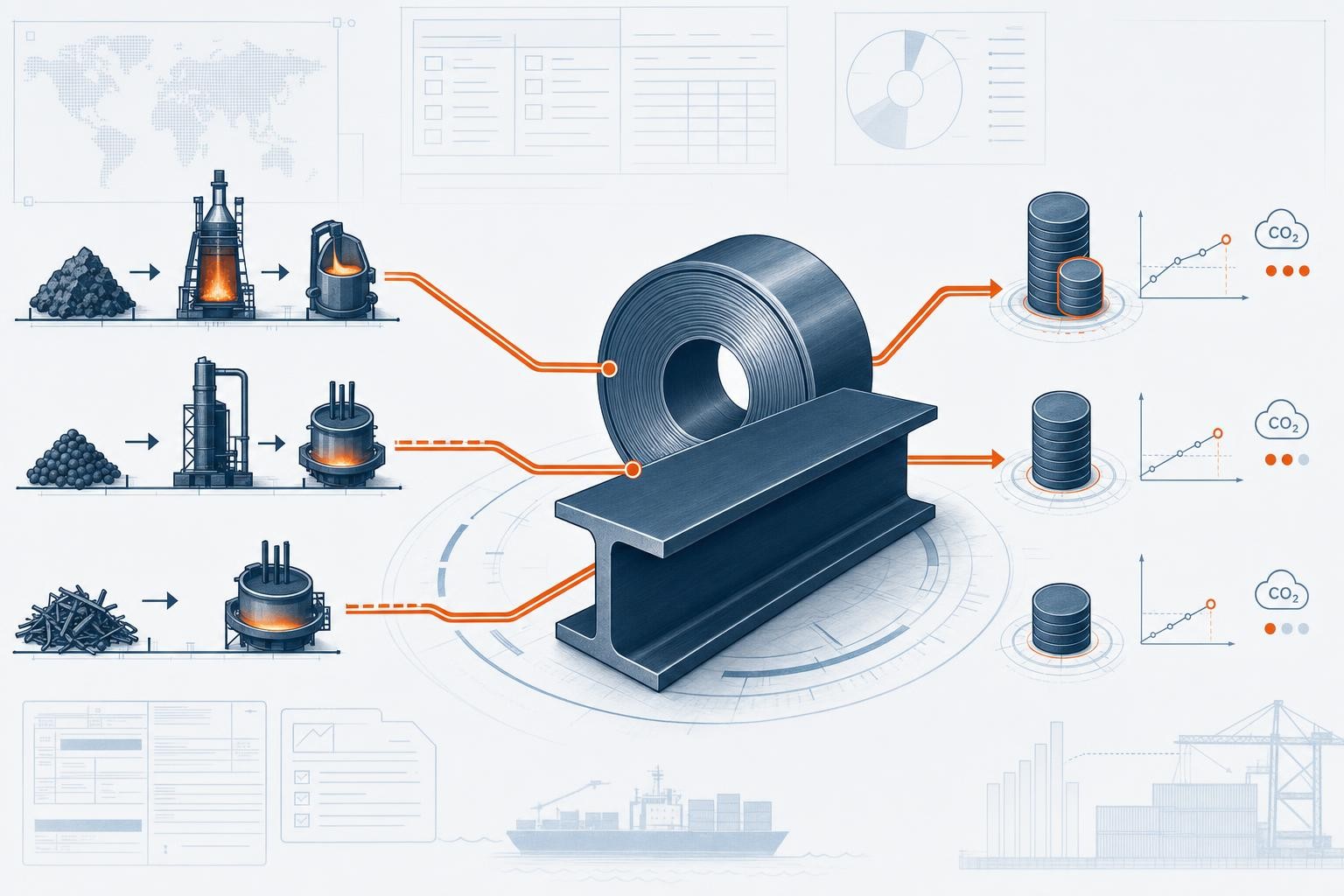
CBAM and Steel: Why Your Supplier's Production Route Is Now a Procurement Decision
Steel's CBAM cost isn't fixed - it swings by up to 19x depending on how your supplier makes steel. Here's how the BF-BOF, DRI-EAF, and Scrap-EAF benchmarks translate into real sourcing decisions.
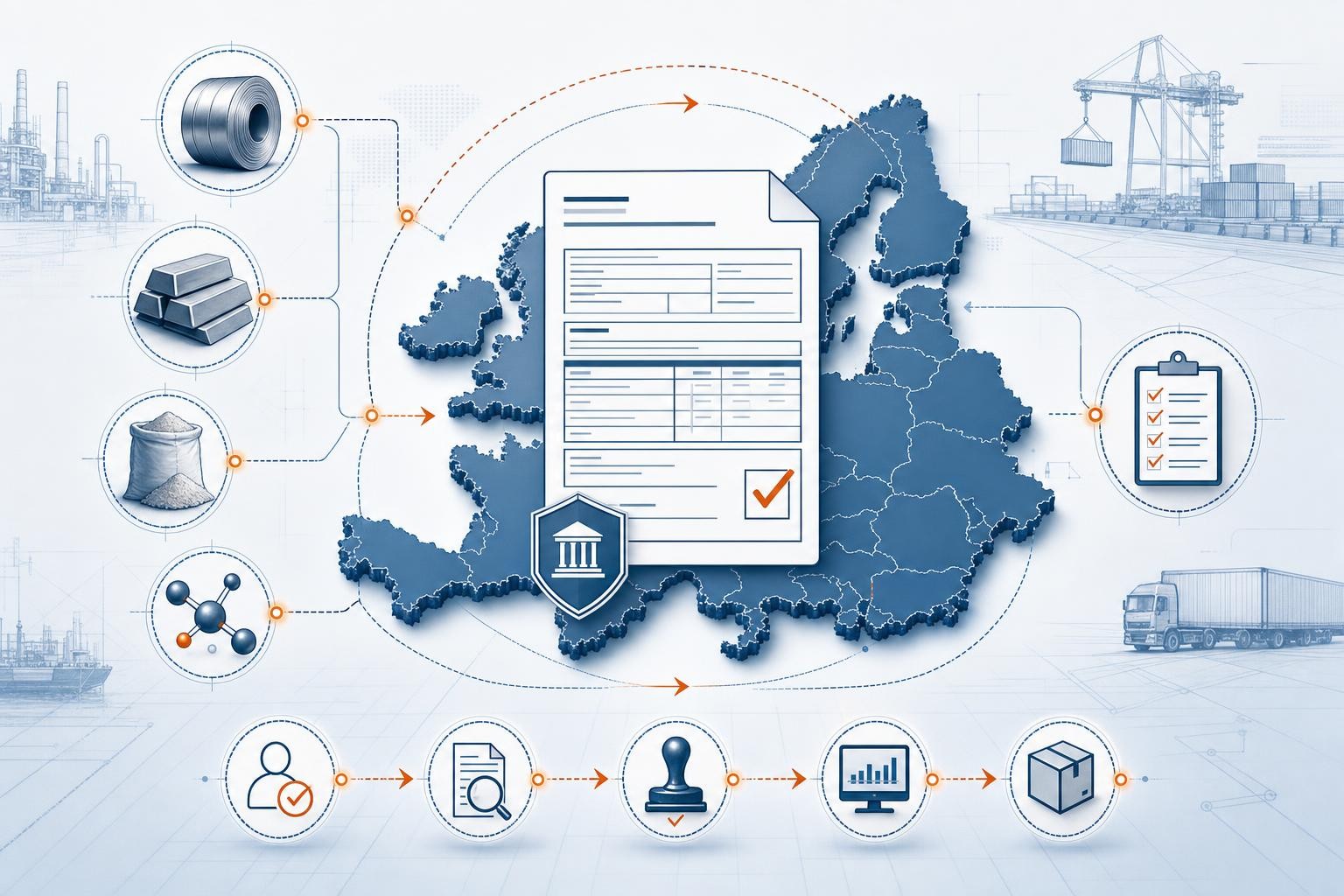
Becoming an Authorised CBAM Declarant: A Practical Guide for EU Importers
The 31 March 2026 deadline has passed. Here's what Authorised CBAM Declarant status means, what the transitional easement covers, how financial guarantees work, and what every importer must do before September 2027.