CBAM certificates: how buying and surrendering will work from 2027
CBAM certificates: how buying and surrendering will work from 2027
CBAM has been live in its definitive form since 1 January 2026, but one part of the machine hasn't switched on yet: the certificates. You are already accruing a CBAM liability on covered imports - you just can't buy the certificates to settle it until next year. Here's how the certificate side of the system is designed to work, and the dates that matter.
You owe now, you pay later
Every tonne of covered goods you import in 2026 carries embedded emissions and, after free-allocation phase-out and the CBAM factor are applied, a certificate obligation. But the actual purchase and surrender of certificates is sequenced into 2027. In short: 2026 is the year the meter runs; 2027 is the year you settle it.
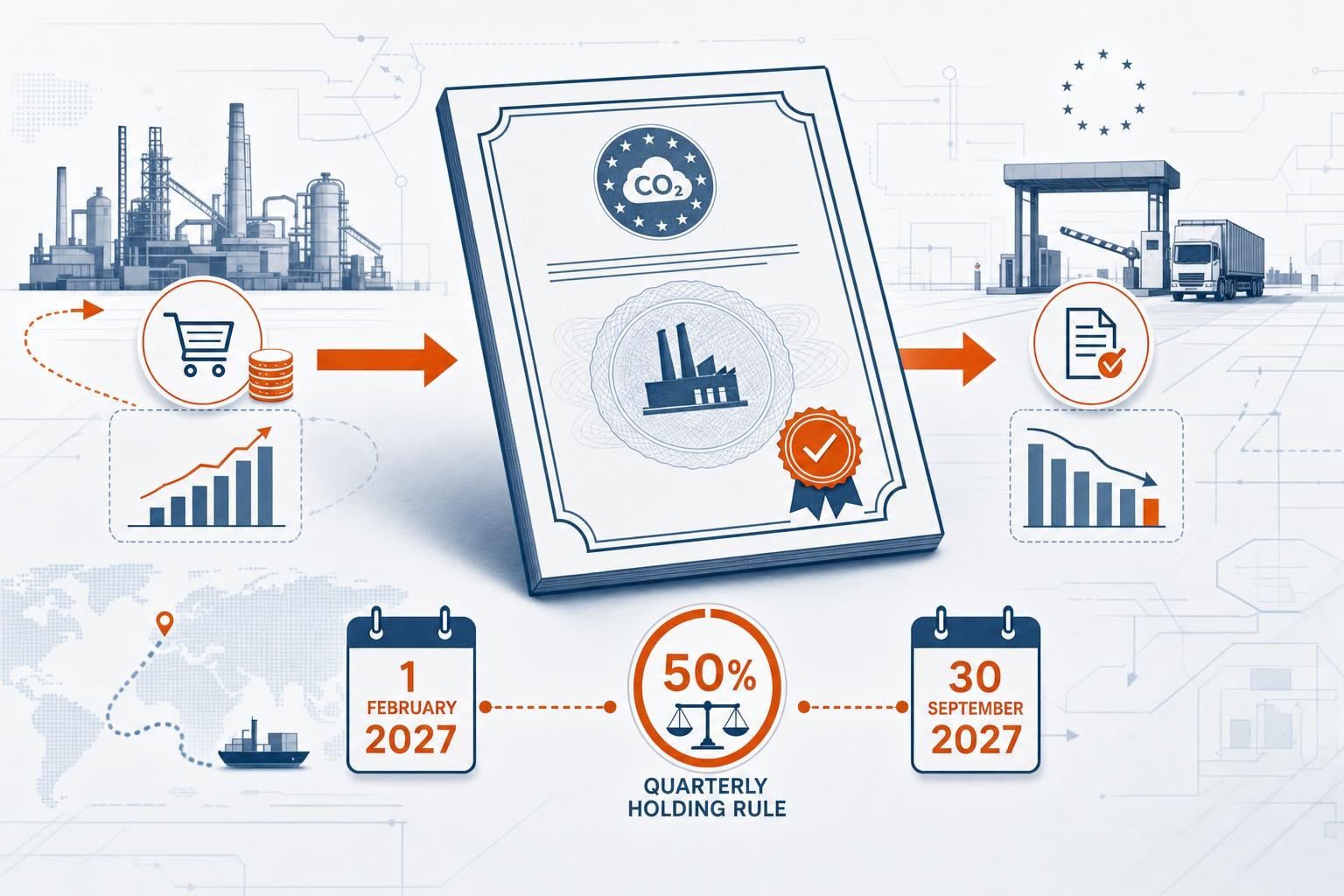
When sales start: 1 February 2027
Member States begin selling CBAM certificates to authorised declarants on 1 February 2027, through a common central platform managed by the Commission - not 27 separate national shops. Authorised CBAM declarants can buy certificates at any time throughout the year. This is confirmed by Germany's CBAM authority, the DEHSt, and was a deliberate postponement from the originally planned 2026 start.
How the price is set
A CBAM certificate is pegged to the EU Emissions Trading System (ETS) carbon price, so the cost of a certificate tracks the cost EU producers pay.
- Certificates sold in 2027 (covering 2026 imports) are priced at the average 2026 EU ETS allowance value.
- The quarterly reference prices for 2026 are released on a fixed calendar - with dates including 6 July 2026, 5 October 2026 and 4 January 2027 - each applying to goods imported in the corresponding quarter, as set out by CM Trade Law.
- From 2027 onward, certificate pricing moves to a weekly average of allowance auction prices, rather than the quarterly basis used for the 2026 import year.
The 50% quarterly holding rule
You can't simply wait until the deadline and buy everything at once. Under the simplified rules, authorised declarants must hold enough certificates to cover at least 50% of their year-to-date embedded emissions at the end of each quarter - that is, at 31 March, 30 June, 30 September and 31 December. Reed Smith notes this 50% figure is itself a relaxation from the original 80% requirement, easing cash-flow pressure on importers.
The practical effect is a rolling obligation: each quarter you must true up your certificate holdings against the emissions you've imported so far that year.
The first surrender: 30 September 2027
Surrender is the moment you hand back certificates equal to your verified embedded emissions for the year. The first surrender takes place in 2027, covering goods imported in 2026, and must be completed by 30 September 2027. From then on, the annual surrender follows the same late-September rhythm for the preceding year's imports.
A useful mental model:
- 2026 - import goods, accrue emissions, watch the quarterly reference prices.
- From 1 Feb 2027 - buy certificates on the central platform; keep holdings above the 50% quarterly line.
- By 30 Sep 2027 - surrender certificates covering your verified 2026 emissions.
What to do before the platform opens
- Confirm you're an authorised declarant. Only authorised CBAM declarants can buy and surrender certificates. If your authorisation isn't in place, that's the prerequisite to everything else.
- Forecast your certificate bill. Estimate 2026 embedded emissions now, apply the CBAM factor, and model the cost against the published quarterly reference prices so the 2027 outlay isn't a surprise.
- Plan the cash flow around the quarters. Because of the 50% holding rule, budget for staged purchases through 2027 rather than a single lump sum before the September deadline.
- Tighten your emissions data. The lower and more accurate your verified emissions, the fewer certificates you surrender. Supplier data work done now pays off directly at surrender.
The bottom line
The certificate clock is already running even though sales haven't opened. Mark three things in the calendar: certificate sales from 1 February 2027, a 50% holding check every quarter end, and the first surrender by 30 September 2027. Importers who forecast the bill and sort out authorisation early will treat 2027 as routine rather than a scramble.
This article is general information, not legal or tax advice. CBAM certificate rules and dates are detailed and subject to change; confirm specifics against the official CBAM legal texts and guidance before acting.
Related reading
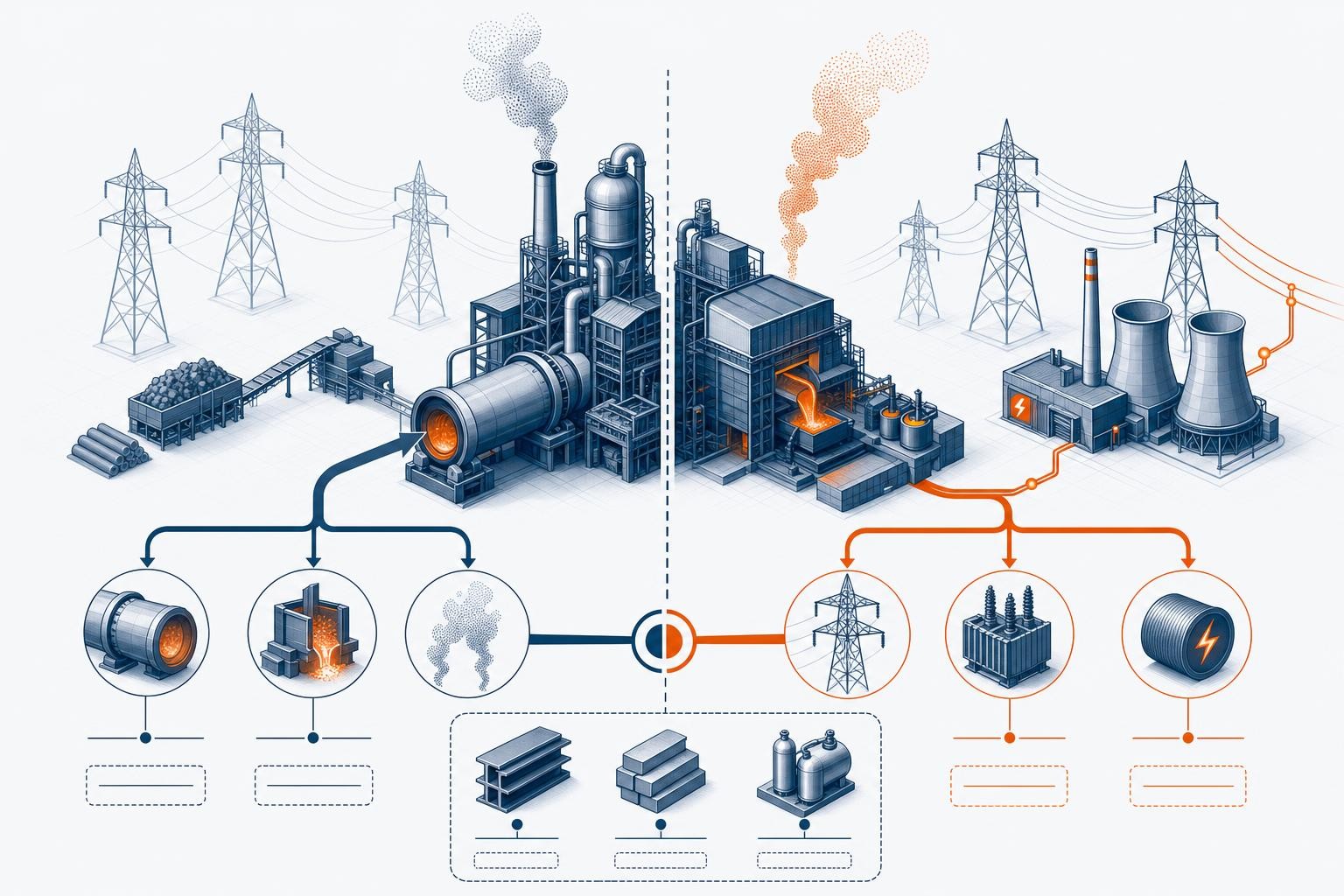
CBAM and Indirect Emissions: Why the Annex II Split Matters for Steel, Aluminium, and Hydrogen Importers
CBAM prices indirect emissions for cement and fertilisers but not for steel, aluminium, or hydrogen - and the reason why matters for your compliance strategy. Here's the full mechanics.
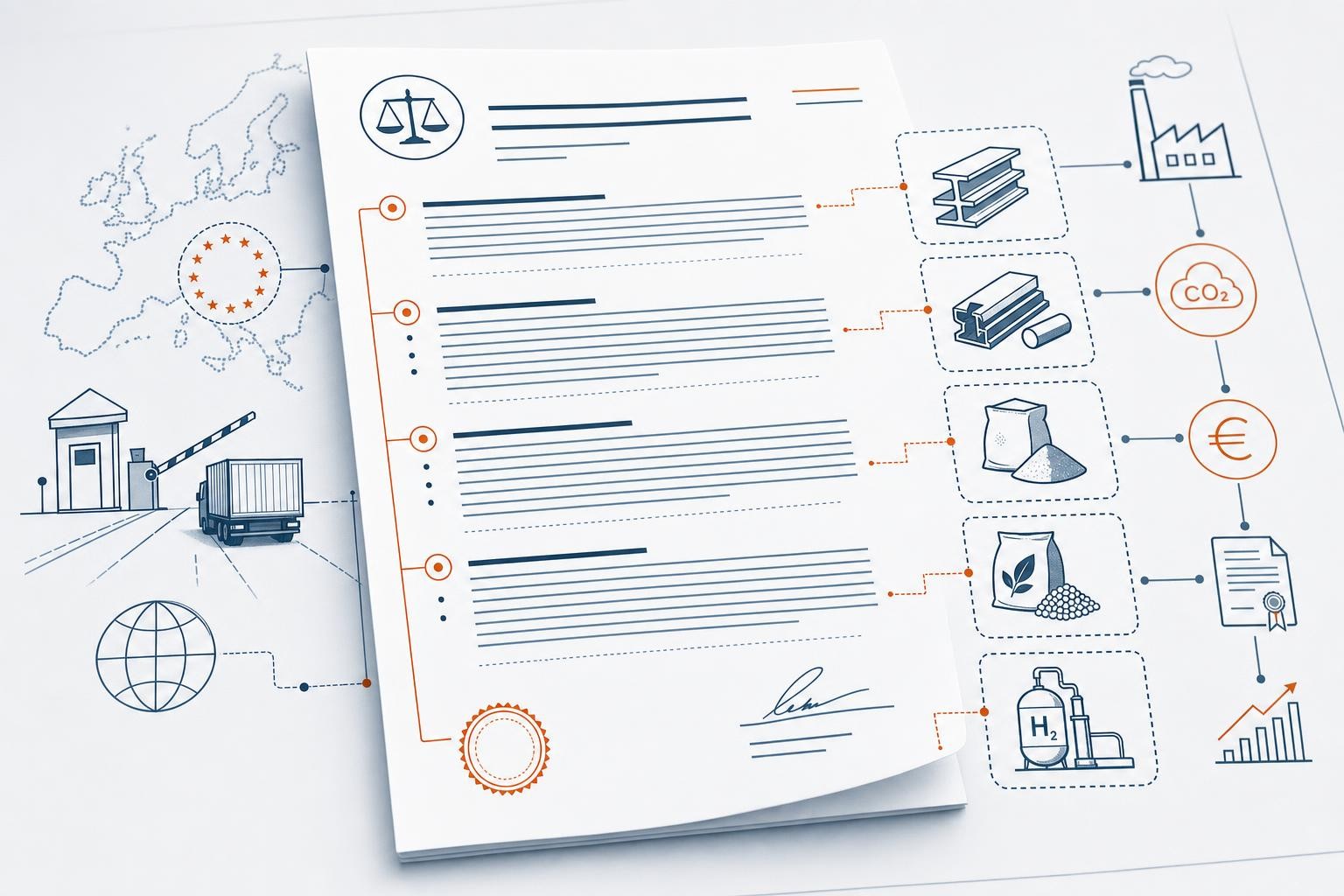
Making Your Supply Contract CBAM-Ready: A Clause-by-Clause Drafting Guide
CBAM is now a contracting problem. This clause-by-clause guide covers emissions data, verification, price pass-through, Incoterms, indemnity, and change-in-law for EU importers of steel, aluminium, cement, fertilisers, and hydrogen.
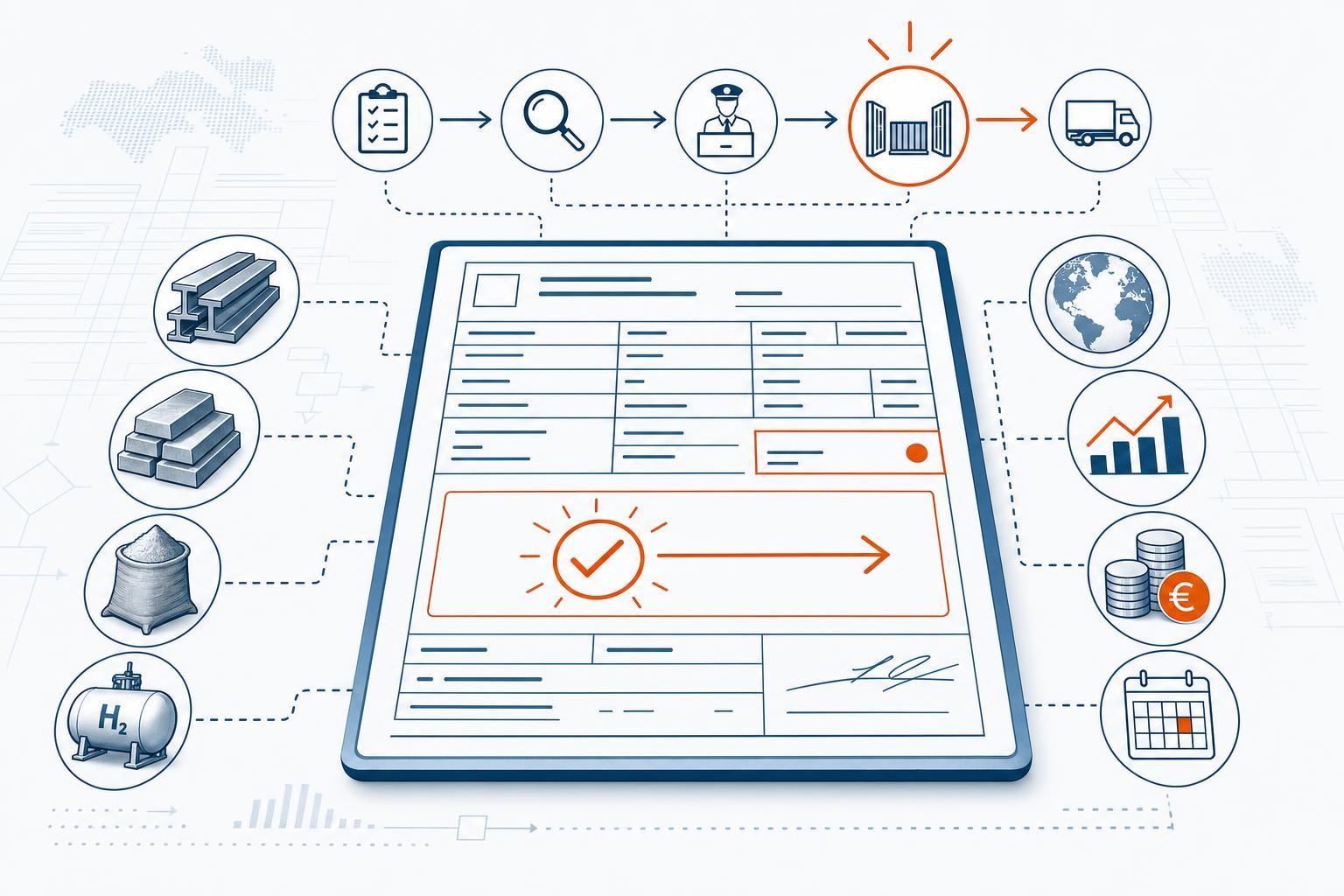
CBAM and Customs Procedures: How Release for Free Circulation Changes Everything
CBAM obligations attach at release for free circulation, not at physical arrival. That single fact makes your choice of customs procedure a genuine compliance and cash-flow lever. Here's the practical guide.