How to Collect Embedded-Emissions Data from Your Non-EU Suppliers for CBAM
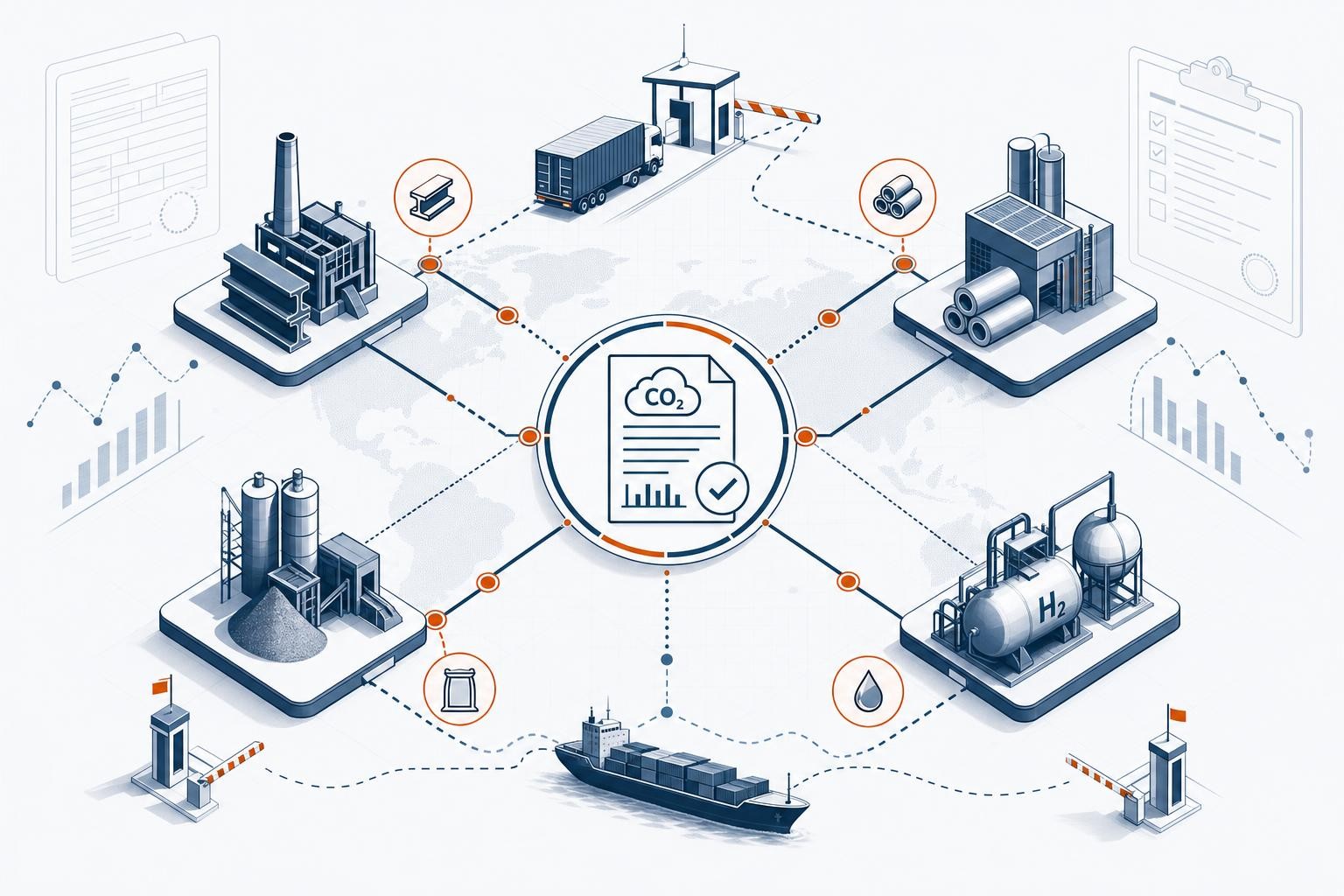
How to Collect Embedded-Emissions Data from Your Non-EU Suppliers for CBAM
Under the EU's Carbon Border Adjustment Mechanism, you can declare your imports' embedded emissions in one of two ways: use the Commission's default values, or use actual data from the installation that made your goods. The default route is easier - but it is built to cost you more. This is a practical playbook for getting the supplier data that lets you use actual values instead.
Why supplier data is worth the effort
CBAM's default values carry a deliberate mark-up, set conservatively so that embedded emissions are never underestimated. That conservatism is the point - and it is also your cost. Because defaults sit above the realistic average, an importer using them generally has to buy more certificates than one using verified actual data for the same goods.
There is no hard legal obligation to obtain supplier data. But for anyone importing meaningful volumes, the economic incentive is straightforward: better data, fewer certificates, lower bill. The mark-up is not a one-off; it repeats every compliance cycle.
The tool that exists for exactly this
You do not have to design a data request from scratch. The European Commission publishes a CBAM Communication Template for Installations - a standardised workbook your non-EU suppliers fill in to report the embedded emissions of the goods they sell you.
Using the official template does three things at once: it tells the supplier precisely what to provide, it keeps the numbers in a format consistent with CBAM's methodology, and it gives you an auditable record behind the figures you declare. The Commission also publishes a guidance document for installation operators outside the EU - available in several languages including Chinese, Hindi, Japanese, Korean, Turkish and Ukrainian - which you can send alongside the template to suppliers unfamiliar with the rules.
What data you are actually asking for
Under the definitive regime, non-EU operators are asked to calculate the embedded greenhouse-gas emissions in their products and provide that data to EU importers, verified by an accredited third party. At a high level, the template captures:
- Installation identification - which specific plant produced the goods.
- Production routes and processes - the technology used, since this drives emissions intensity.
- Direct and indirect emissions - process emissions plus emissions from the electricity consumed.
- Embedded emissions of precursors - for complex goods, the emissions carried in the input materials.
The third-party verification requirement is the part importers most often underestimate. Actual values must be verifiable to EU standards aligned with the ETS - so your supplier needs not just numbers, but numbers an accredited verifier can stand behind.
A practical step-by-step
- Segment your suppliers by impact. Start with the installations behind your largest-volume or highest-intensity imports - that is where moving off default values saves the most.
- Send the official template, not a custom form. Pair it with the Commission's installation-operator guidance so the supplier understands both the "what" and the "why".
- Set a realistic deadline tied to your filing. Your first annual CBAM declaration covering 2026 imports is due 30 September 2027; work backwards to leave time for verification.
- Insist on verification early. Make clear from the outset that figures need to be verifiable by an accredited third party - retrofitting verification later is painful.
- Store the evidence. Keep the completed templates and verification statements as the audit trail behind your declared values.
- Re-request on a cycle. Emissions data is not static; build a recurring request into your procurement rhythm rather than treating it as a one-time exercise.
Don't wait for the defaults to be revised
The Commission has signalled that default values and mark-ups will be revised by December 2027 at the latest, with efforts to bring some revisions forward. It is tempting to assume the gap between defaults and reality will narrow on its own. Don't bank on it: the conservative design is intentional, and even revised defaults are unlikely to beat clean, installation-specific data.
The suppliers who respond well to a clear, official, well-timed request become your cheapest path through CBAM. The ones who don't are quietly costing you the mark-up on every shipment. The earlier you start the conversation, the more of that cost you take back.
This guide is general information, not legal or tax advice. Use the current European Commission CBAM template and guidance, and confirm verification requirements for your specific goods.
Related reading
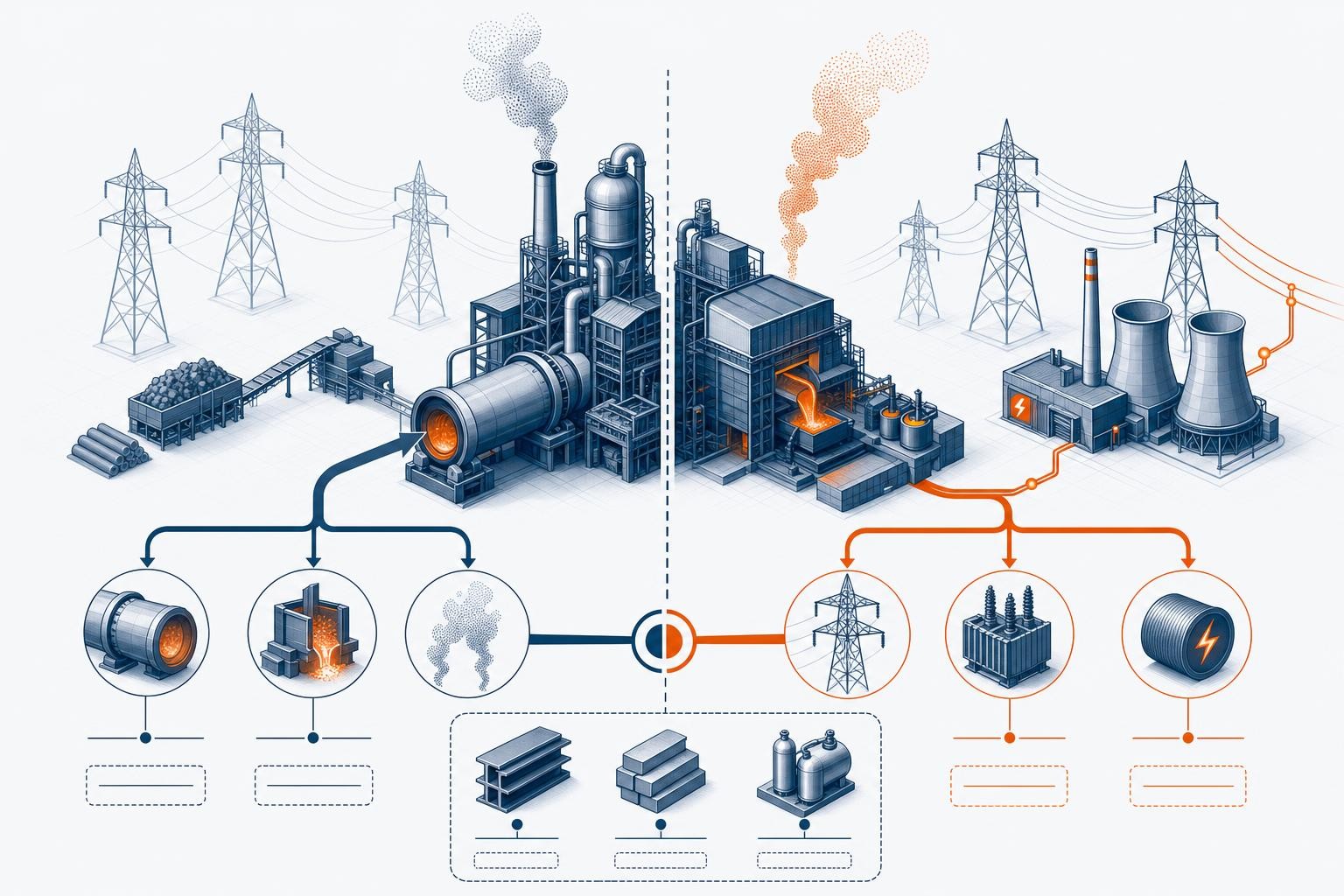
CBAM and Indirect Emissions: Why the Annex II Split Matters for Steel, Aluminium, and Hydrogen Importers
CBAM prices indirect emissions for cement and fertilisers but not for steel, aluminium, or hydrogen - and the reason why matters for your compliance strategy. Here's the full mechanics.
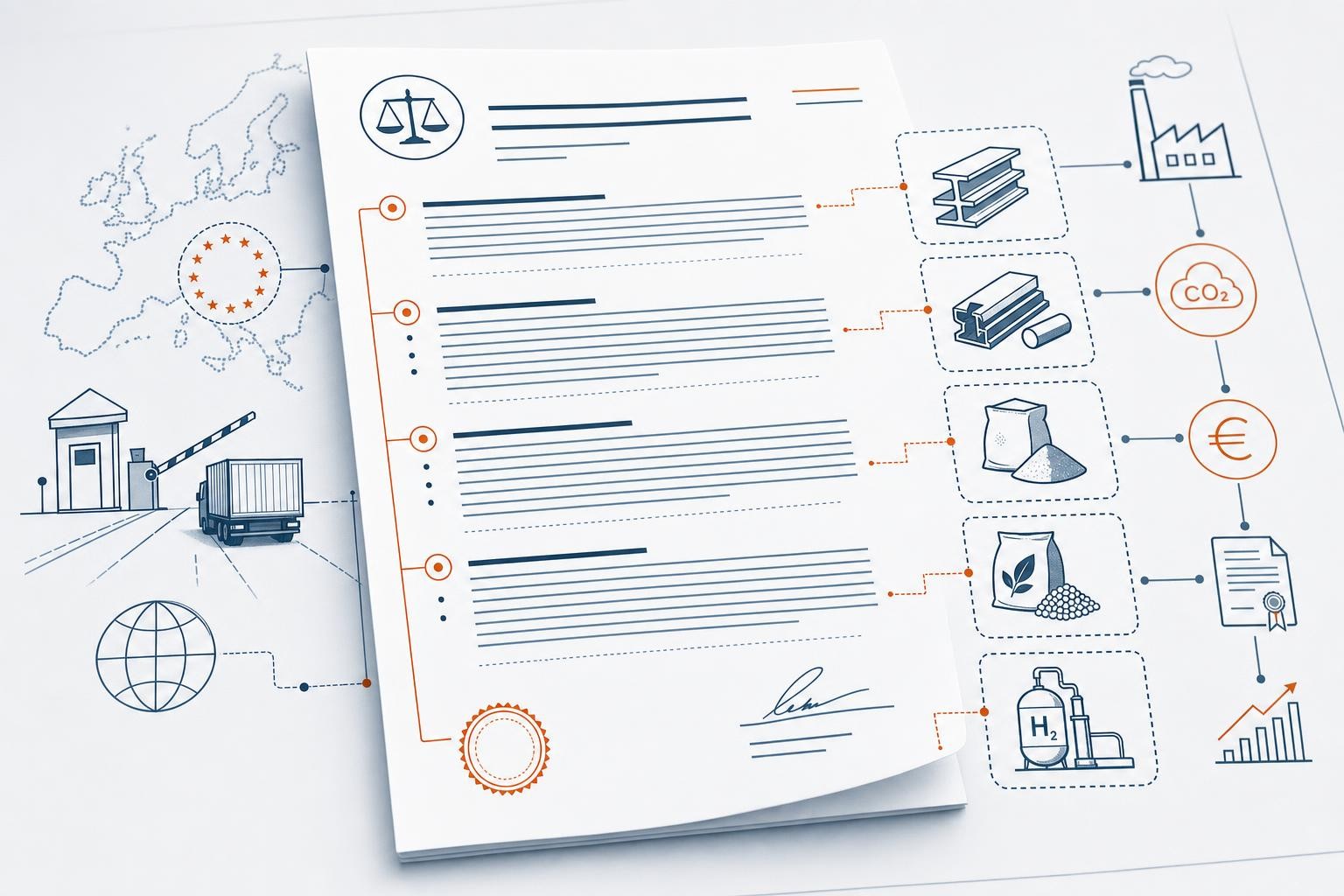
Making Your Supply Contract CBAM-Ready: A Clause-by-Clause Drafting Guide
CBAM is now a contracting problem. This clause-by-clause guide covers emissions data, verification, price pass-through, Incoterms, indemnity, and change-in-law for EU importers of steel, aluminium, cement, fertilisers, and hydrogen.
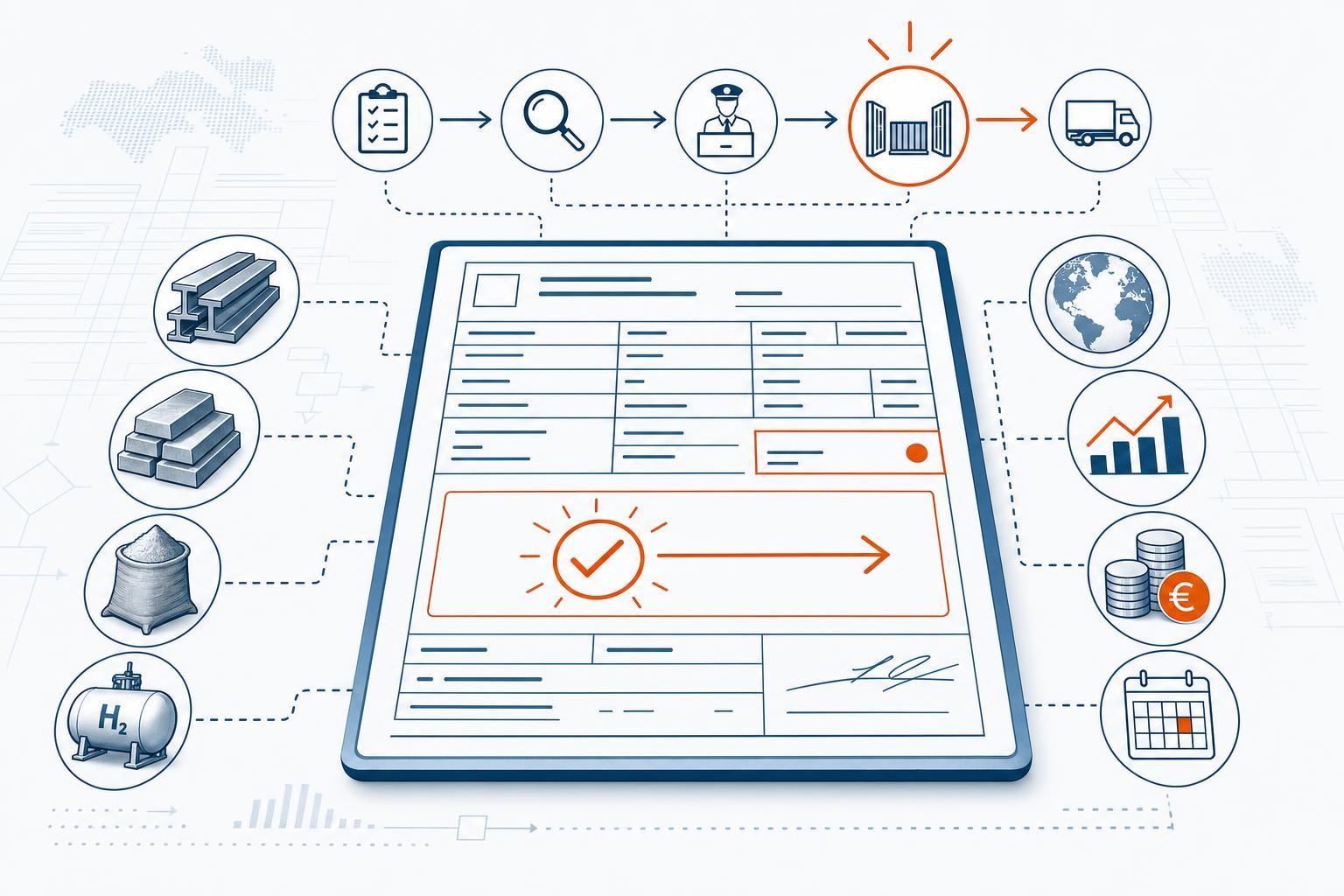
CBAM and Customs Procedures: How Release for Free Circulation Changes Everything
CBAM obligations attach at release for free circulation, not at physical arrival. That single fact makes your choice of customs procedure a genuine compliance and cash-flow lever. Here's the practical guide.