CBAM is live: what the definitive period means for importers in 2026
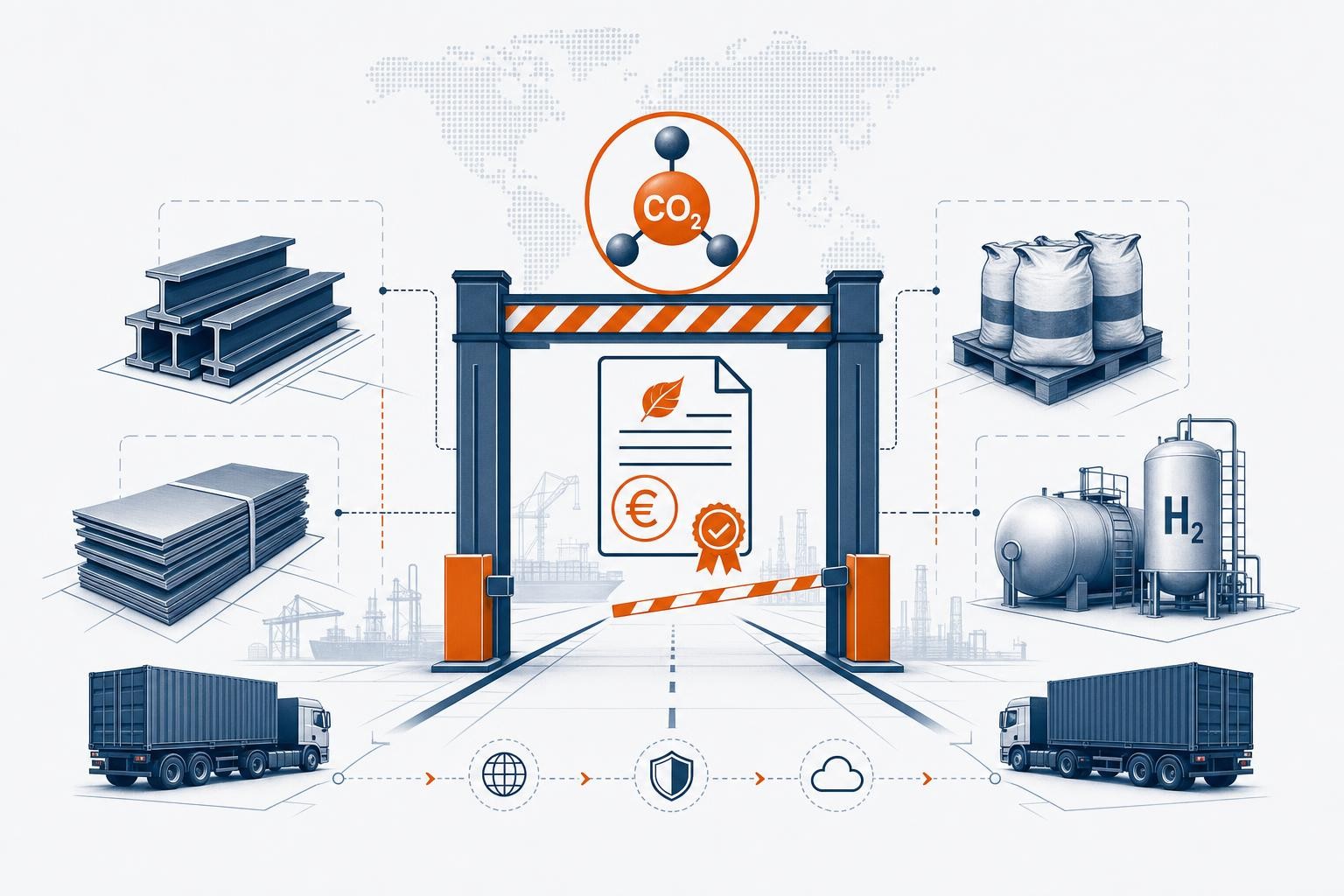
The EU Carbon Border Adjustment Mechanism (CBAM) entered its definitive period on 1 January 2026. After two years of "reporting only", importers of CBAM goods now face real financial and legal obligations. If you treated CBAM as a data exercise during the transitional phase, this is the year that changes.
What is CBAM, in one paragraph?
CBAM puts a carbon price on imports of carbon-intensive goods - cement, iron & steel, aluminium, fertilisers, electricity and hydrogen - equal in principle to the price EU producers pay under the EU Emissions Trading System. It exists to stop "carbon leakage" as the EU's free ETS allowances are phased out. The legal basis is Regulation (EU) 2023/956, as amended by the 2025 "Omnibus" simplification.
What actually changed on 1 January 2026?
The transitional period (October 2023 to December 2025) was quarterly reporting, with no payment. The definitive period adds four things:
- Authorisation. Only an authorised CBAM declarant may import CBAM goods above the threshold. You apply through the CBAM Registry's Authorisation Management Module; you need an EORI number, and the national competent authority can take up to 120 days to decide.
- Certificates. Embedded emissions are now covered by CBAM certificates - one certificate per tonne of CO₂e - which you buy and surrender.
- Verified data. Actual emissions values must be checked by an accredited verifier; default values are the no-verification fallback.
- A real price. The first certificate price, for Q1 2026, was published at €75.36 per tonne of CO₂e.
The 50-tonne exemption most importers miss
The single biggest change from the Omnibus is a 50-tonne de-minimis. If your cumulative annual net mass of cement, steel, aluminium and fertilisers is 50 tonnes or less, you are exempt from authorisation, reporting and surrender. It is estimated to exempt around 90% of importers while still capturing more than 99% of emissions. One catch: electricity and hydrogen are never exempt - they are in scope at any volume.
Not sure which side of the line you are on? Our free CBAM scope checker walks you through it in a couple of minutes.
The dates that matter
You do not actually pay in 2026 - the money and paperwork land in 2027:
| Date | What happens |
|---|---|
| 1 January 2026 | Definitive period starts |
| 1 February 2027 | Certificate sales begin (for 2026 imports) |
| 30 September 2027 | First annual declaration and first certificate surrender |
From 2027 you must also hold certificates covering at least 50% of your accrued emissions at the end of each quarter. See the full sequence on our CBAM deadlines tracker.
Why 2026 costs less than the headlines suggest
Because free ETS allowances phase out gradually, only a share of your embedded emissions is actually charged each year - the CBAM factor. In 2026 it is just 2.5%, rising to 100% by 2034. So your 2026 exposure is small, but it climbs steeply later this decade. You can model it with our CBAM cost calculator.
What to do now
- Confirm whether you are over the 50-tonne threshold - or import any electricity or hydrogen.
- If you are in scope, get authorised-declarant status and CBAM Registry access.
- Start collecting installation-level emissions data from suppliers; it is usually cheaper than relying on default values.
- Put 30 September 2027 in the calendar.
CBAM will keep moving - new default values, price-method changes, a proposed scope expansion for 2028. We track it so you do not have to: subscribe to The CBAM Brief.
This is plain-English guidance, not legal or tax advice. Always confirm specifics against the European Commission's CBAM pages.
Related reading
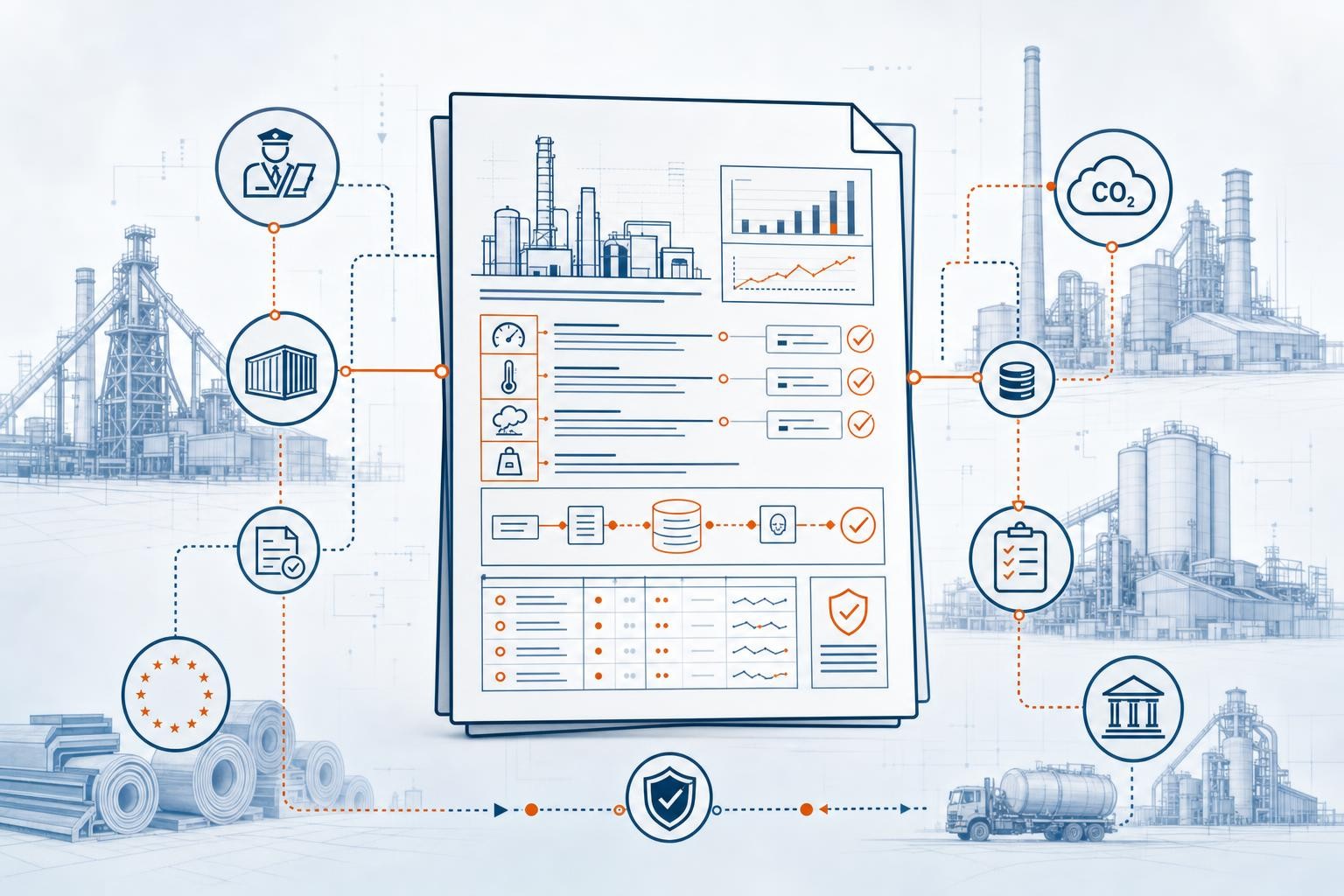
CBAM Monitoring Plans: What Installation-Level Data Quality Actually Requires
The monitoring plan - not just the final emissions number - is now the primary object of CBAM scrutiny. Here's what IR 2025/2547 requires at the installation level, and why traceability is the recurring failure point.
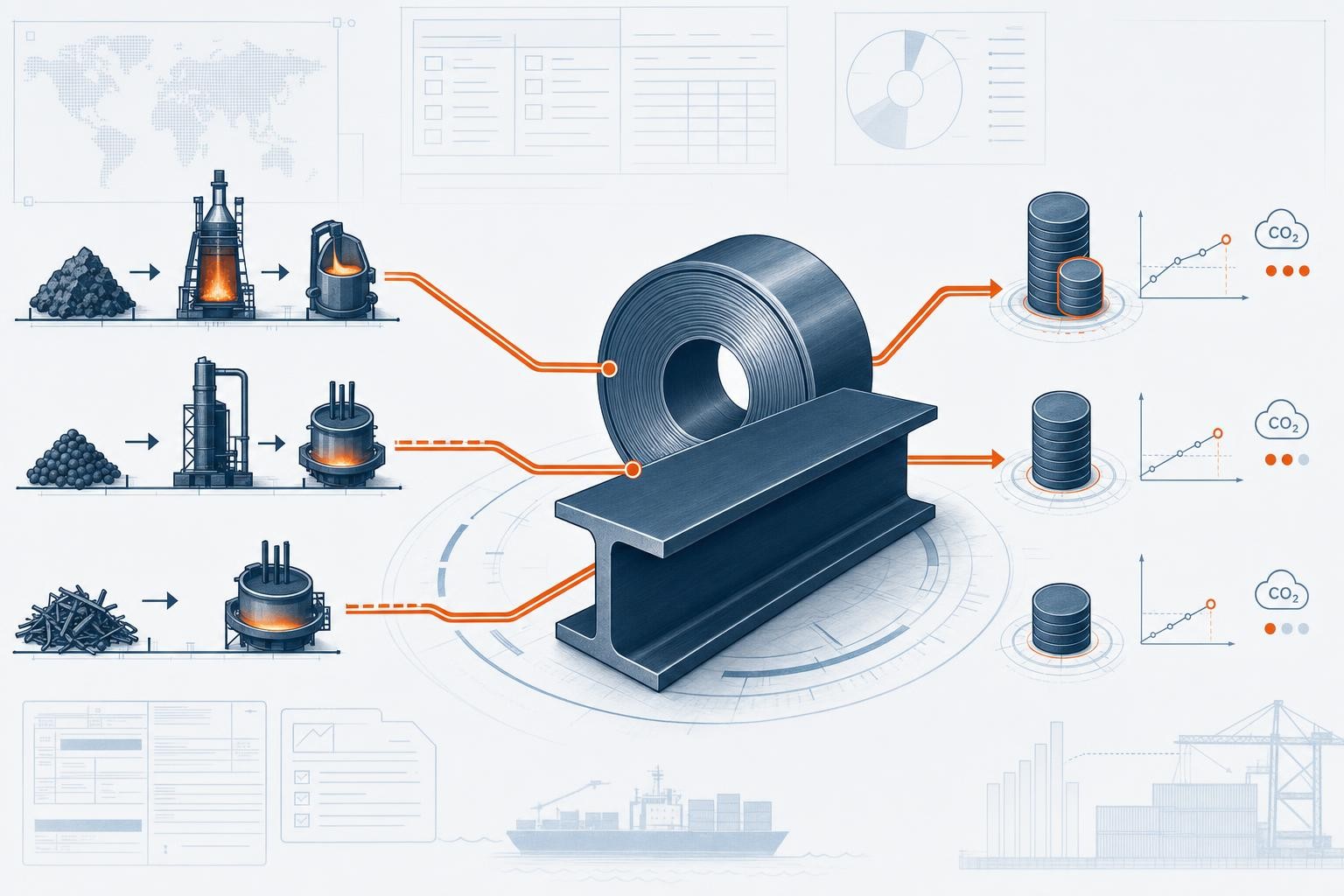
CBAM and Steel: Why Your Supplier's Production Route Is Now a Procurement Decision
Steel's CBAM cost isn't fixed - it swings by up to 19x depending on how your supplier makes steel. Here's how the BF-BOF, DRI-EAF, and Scrap-EAF benchmarks translate into real sourcing decisions.
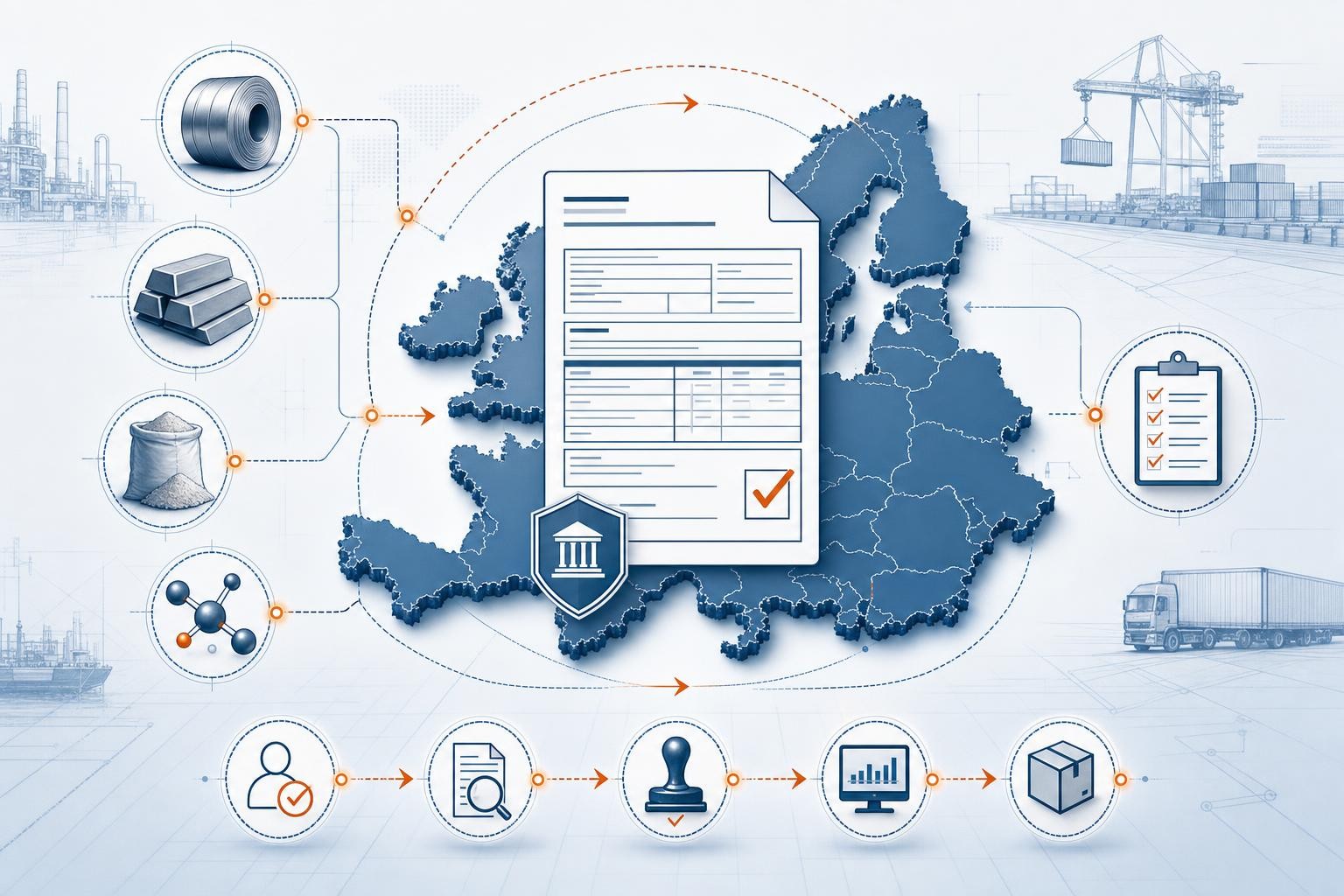
Becoming an Authorised CBAM Declarant: A Practical Guide for EU Importers
The 31 March 2026 deadline has passed. Here's what Authorised CBAM Declarant status means, what the transitional easement covers, how financial guarantees work, and what every importer must do before September 2027.