CBAM's downstream extension: the 180 new products coming in 2028
CBAM's downstream extension: the 180 new products coming in 2028
For its first years, the Carbon Border Adjustment Mechanism (CBAM) has been a story about six raw-material sectors: cement, iron and steel, aluminium, fertilisers, electricity and hydrogen. If you imported the metal but not the finished part, you were largely outside the net. That is about to change.
On 16 December 2025, the European Commission published a proposal to extend CBAM "downstream" - pulling roughly 180 additional, more-processed products into scope from 2028. For thousands of importers who have so far watched CBAM from the sidelines, this is the moment it becomes relevant.
What "downstream" actually means
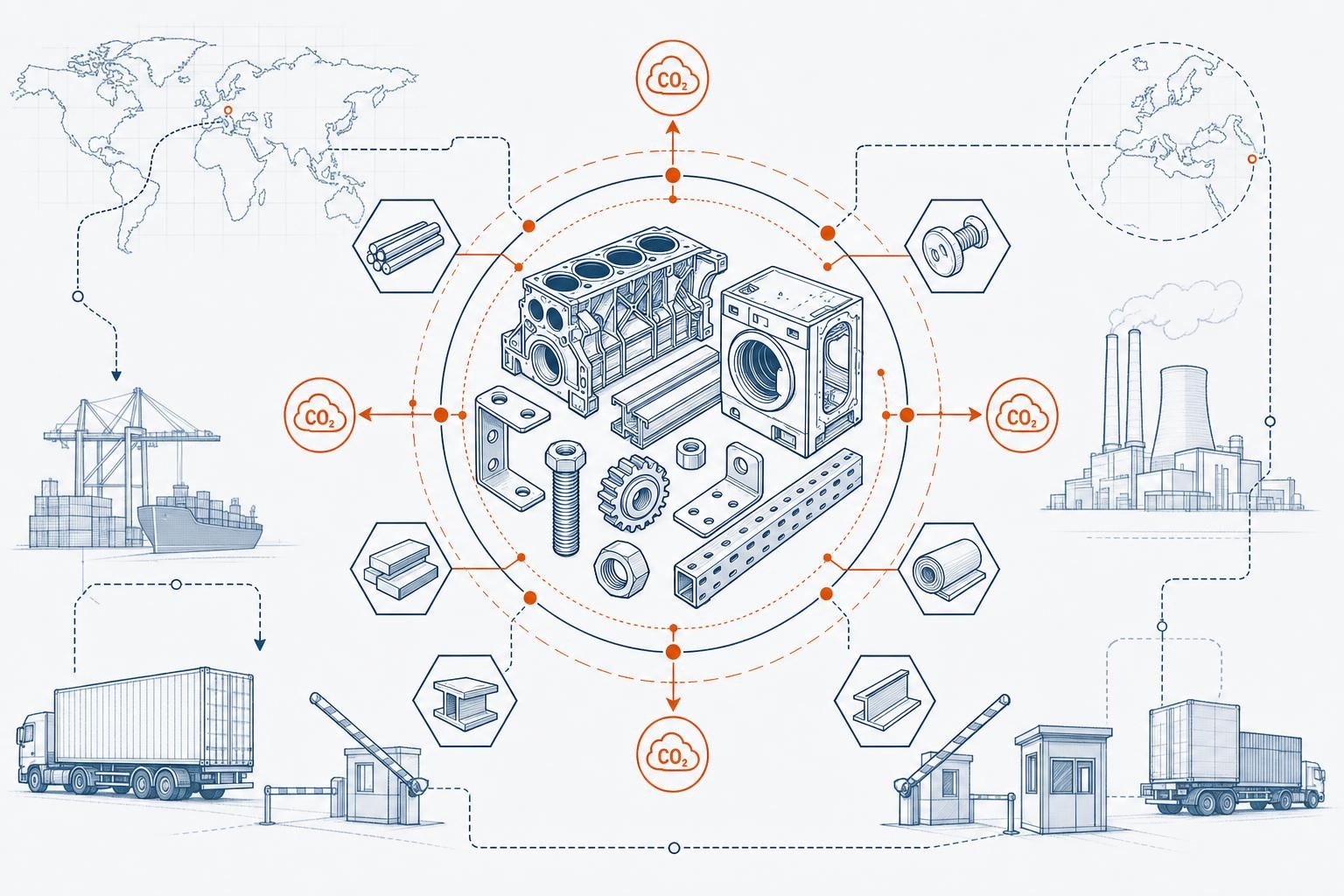
CBAM today captures basic goods - an unwrought aluminium ingot, a coil of steel, a bag of cement. A "downstream" product is something made from those goods: a steel bolt, an aluminium tube, a cast engine block, the metal chassis of a washing machine.
The logic is carbon leakage. If CBAM prices the carbon in raw steel but not in a steel-heavy finished product, importers have an obvious incentive to simply buy the finished article from outside the EU instead - shifting the emissions, and the manufacturing, offshore. The downstream extension is designed to close that gap and, in the Commission's words, turn CBAM into a full-value-chain instrument. The European Commission's tax and customs service frames the definitive regime as the foundation this extension builds on.
What's in scope - and when
According to legal analyses of the proposal by Mayer Brown and Akin, the proposal would:
- Add roughly 180 downstream products built mainly from iron, steel and aluminium - examples reported include screws and bolts, nails, tubes, machinery parts, engines, cars and household appliances such as fridges and washing machines.
- Take effect from 1 January 2028, bringing an estimated 7,500 additional importers into the regime.
- Generate, on the Commission's own estimate, over €500 million in additional annual revenue.
The extension also travels with a package of anti-circumvention measures - rules aimed at practices like slightly processing a good to dodge a CN code, or routing imports through third countries. Herbert Smith Freehills Kramer groups these together as the next round of "improvements" to the regulation, alongside changes to how electricity emissions are treated.
It's a proposal, not yet law
This is important: the downstream extension is not yet in force. It must go through the EU's ordinary legislative procedure - agreement between the European Parliament and the Council - before it becomes binding. Details such as the exact product list, the treatment of indirect emissions, and the precise start mechanics can change during that process.
The Commission has also signalled that downstream extensions could later reach the other CBAM sectors - cement, fertilisers and hydrogen - but each of those would need its own separate legislative proposal. In other words, 2028 is the beginning of the downstream story, not the end of it.
Why importers of finished goods should care now
If you import metal-containing finished or semi-finished products and have assumed CBAM doesn't touch you, treat 2028 as a planning horizon, not a distant abstraction. Three practical reasons:
- Supplier data takes time. The hardest part of CBAM is not the paperwork; it's getting verified embedded-emissions data out of suppliers who have never been asked for it. Building those relationships before 2028 is far easier than scrambling once the obligation bites.
- Your product classification matters. Whether a given finished good is caught will turn on its CN code. Mapping your import portfolio against the proposed list early tells you how exposed you are.
- The threshold still applies. The 50-tonne de minimis mass threshold introduced in the 2025 Omnibus is expected to continue to filter out the smallest importers - so part of preparing is simply knowing whether your volumes clear that line.
The bottom line
CBAM is evolving from a tax on imported raw materials into a carbon charge on the value chain. The December 2025 proposal sets a clear direction of travel: roughly 180 downstream products, about 7,500 new importers, and a 2028 start - subject to the legislative process. Importers of steel- and aluminium-intensive finished goods have an 18-month window to find out where they stand and to start the supplier-data work that always takes longer than expected.
This article is general information, not legal or tax advice. The downstream extension is a proposal and its scope and timing may change as it moves through the EU legislative process; confirm specifics against the final legal texts and the official CBAM guidance before acting.
Related reading
CBAM and Indirect Emissions: Why the Annex II Split Matters for Steel, Aluminium, and Hydrogen Importers
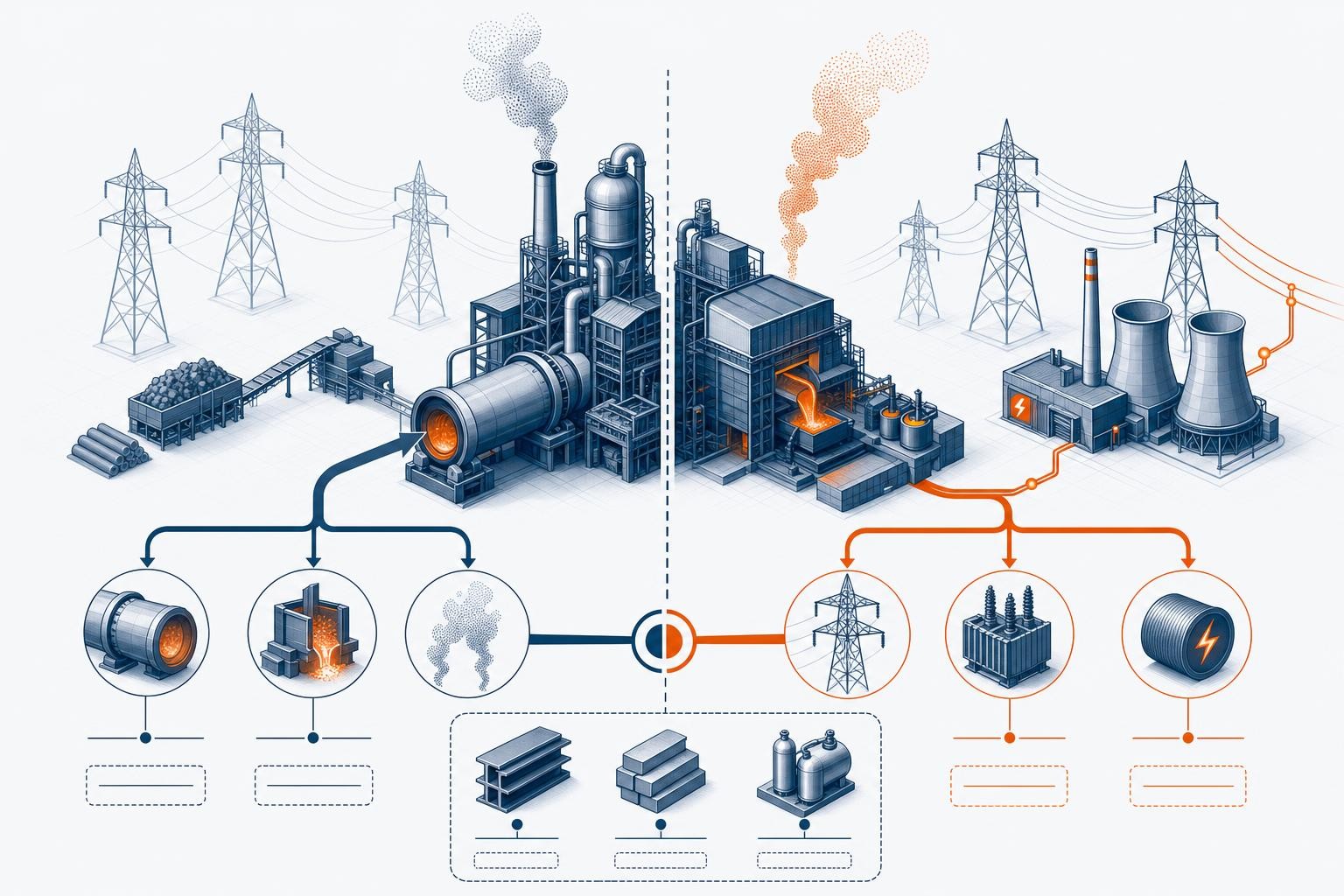
CBAM prices indirect emissions for cement and fertilisers but not for steel, aluminium, or hydrogen - and the reason why matters for your compliance strategy. Here's the full mechanics.
Making Your Supply Contract CBAM-Ready: A Clause-by-Clause Drafting Guide
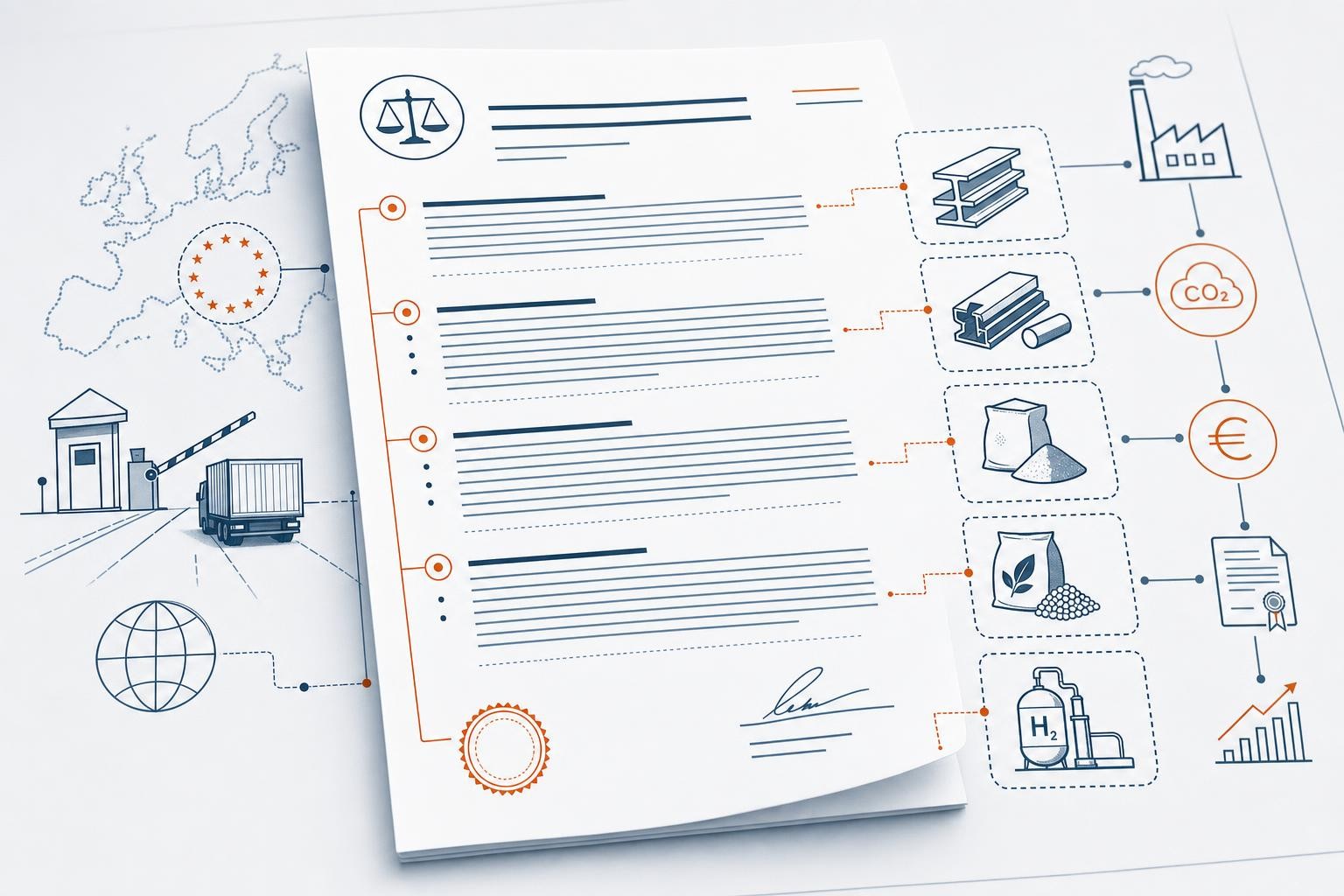
CBAM is now a contracting problem. This clause-by-clause guide covers emissions data, verification, price pass-through, Incoterms, indemnity, and change-in-law for EU importers of steel, aluminium, cement, fertilisers, and hydrogen.
CBAM and Customs Procedures: How Release for Free Circulation Changes Everything
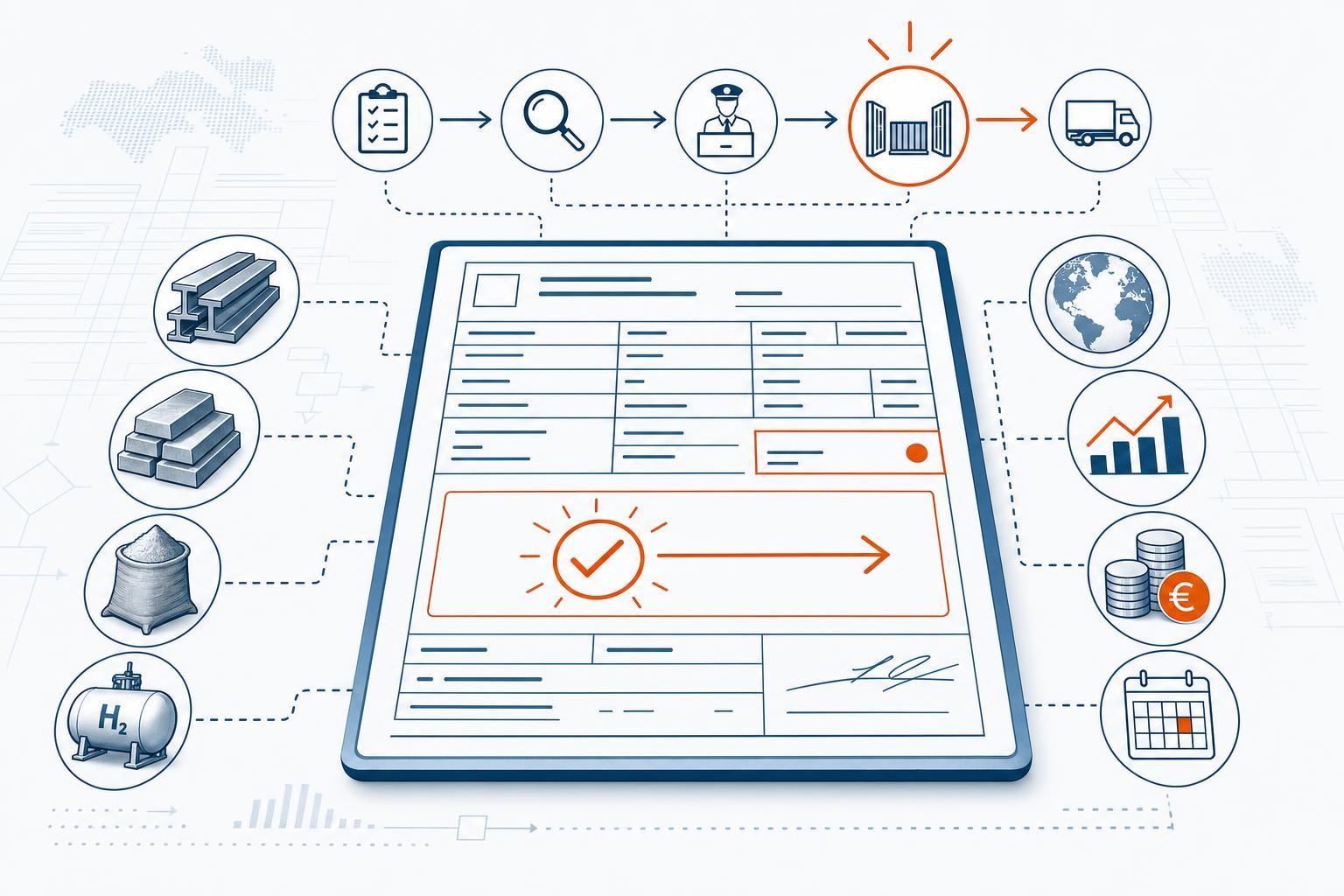
CBAM obligations attach at release for free circulation, not at physical arrival. That single fact makes your choice of customs procedure a genuine compliance and cash-flow lever. Here's the practical guide.