The July 2026 ETS Reform: How the New Proposal Reshapes Your CBAM Cost Curve
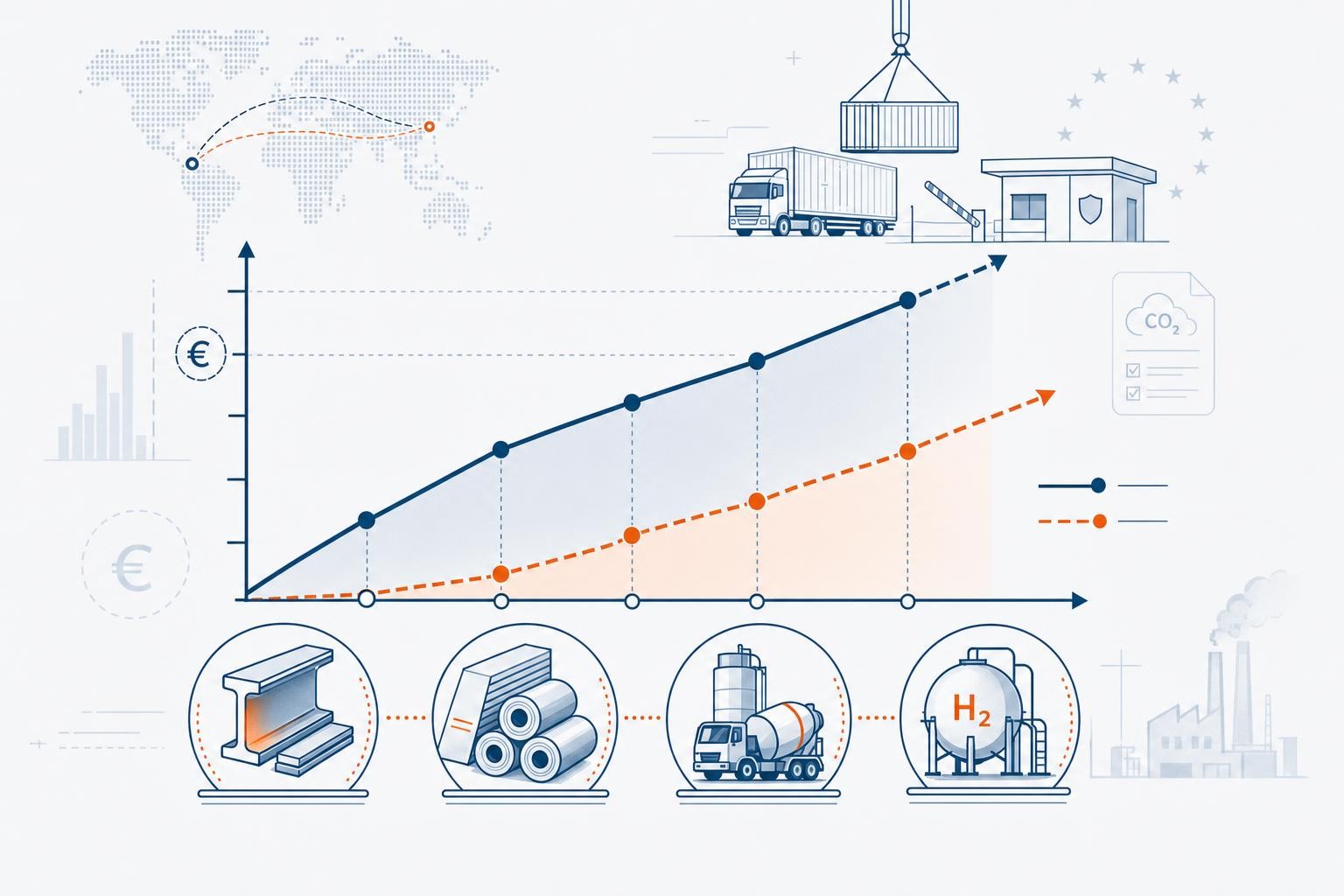
On 17 July 2026, the European Commission published a targeted revision of the EU Emissions Trading System - and buried inside it is a material change to the CBAM phase-in schedule that every importer of steel, aluminium, cement, fertilizers, hydrogen, or electricity needs to understand.
The headline: the proposal slows the CBAM ramp. Free allocation phases out more gradually, the CBAM factor rises more slowly, and the finish line moves from 2034 to 2038. That sounds like good news for importers. But the picture is more nuanced - and this is still a proposal, not law.
Here is what actually changed, what it means for your cost trajectory, and what you should do right now.
What the Old Schedule Said
Under Regulation (EU) 2023/956 and the revised EU ETS Directive, the CBAM phase-in was locked to a nine-year free-allocation phase-out running from 2026 to 2034. The CBAM factor - the share of embedded emissions you actually pay for - started at 2.5% in 2026 and was set to reach 100% by 1 January 2034, when EU ETS free allocation for CBAM-covered sectors would hit zero.
The ICAP confirmed the free-allocation percentage was set to decrease from 97.5% in 2026, through 51.5% in 2030, down to 14% in 2033, before reaching zero. That steep back-loaded ramp was the basis for projections showing CBAM costs roughly doubling between 2028 and 2031.
What the July 17 Proposal Changes
On 17 July 2026, the European Commission published a targeted revision of the EU ETS to support industrial competitiveness and the EU's 2040 climate target. Three changes directly affect CBAM importers.
1. 15% free allocation reintroduced from 2028 - phase-out extended to 2038
This is the single biggest change for importers. The proposal reintroduces 15% of phased-out free allocation from 2028, slowing the CBAM phase-in and extending the free allocation phase-out to 2038 to manage residual carbon-leakage risk. Under the old schedule, free allocation was set to reach zero by 2034. Under the proposal, it reaches zero by 2038 - four years later.
In practical terms: the CBAM factor rises more slowly from 2028 onward. Your certificate obligation as a share of total embedded emissions is lower in any given year between 2028 and 2037 than the original regulation implied.
2. Free allocation tied to decarbonisation conditionality from 2031
The proposal does not simply hand back free allowances unconditionally. From 2031, all free allocation is made fully conditional upon operators submitting a verified decarbonisation investment plan, with 80% of allowances released upon plan approval and the remaining 20% contingent on demonstrated emissions reductions by the end of each five-year period. Operators that relocate activities outside the EU would be required to return allowances received.
For importers, this matters indirectly: EU producers who fail to meet the conditionality criteria could lose their free allocation faster than the headline schedule implies, which would affect the CBAM factor calculation.
3. Slower Linear Reduction Factor and a more flexible MSR
The proposal sets the Linear Reduction Factor at 3.7% per year for 2031-2035 and 1.7% per year for 2036-2040, down from the current rate of 4.3%. A slower LRF means the overall ETS cap tightens less aggressively post-2030, which - all else equal - reduces upward pressure on ETS allowance prices in the medium term. The Market Stability Reserve is also reformed to improve stability and reduce excessive price volatility.
Old vs. Proposed: The Phase-In Trajectory at a Glance
The table below compares the original free-allocation schedule (under Regulation (EU) 2023/956) with the proposed revised trajectory. Note that the proposed figures for 2028 onward are indicative - the exact annual steps will be set in the final legislative text.
| Year | Free Allocation — Current Law | CBAM Factor — Current Law | Free Allocation — Proposed | CBAM Factor — Proposed (indicative) |
|---|---|---|---|---|
| 2026 | 97.5% | 2.5% | 97.5% | 2.5% |
| 2027 | 95.0% | 5.0% | 95.0% | 5.0% |
| 2028 | ~80% | ~20% | ~80% + 15% buffer | ~15% (slowed) |
| 2029 | ~67% | ~33% | Higher than old | Lower than old |
| 2030 | 51.5% | 48.5% | Higher than old | Lower than old |
| 2031 | ~34% | ~66% | Higher than old (conditional) | Lower than old |
| 2033 | 14% | 86% | Higher than old | Lower than old |
| 2034 | 0% | 100% | Still allocated | < 100% |
| 2038 | — | — | 0% | 100% |
Important: The 2028-onward proposed figures are directional. The Commission's proposal reintroduces 15% of phased-out allocation from 2028 and extends the endpoint to 2038, but the precise annual steps will be determined through the legislative process. Model a range, not a single curve.
What This Means for Your CBAM Cost Trajectory
The near-term picture is unchanged
The CBAM certificate price was €75.36/tCO₂e in Q1 2026 and €75.28/tCO₂e in Q2 2026, calculated as the weighted average of EU ETS auction clearing prices. Your 2026 and 2027 obligations are set by existing law - the proposal does not touch them. The CBAM factor remains 2.5% in 2026 and 5% in 2027 regardless of what Parliament and Council eventually agree.
EU ETS allowances traded between EUR 79.4 and EUR 81.8 per tonne in July 2026. That is the live input to your certificate cost. From 2027, the CBAM certificate price switches from quarterly to weekly publication, so price volatility will feed through to your obligations much faster.
The medium-term ramp is softer - but only if the proposal becomes law
If the proposal passes unamended, the CBAM factor rises more slowly from 2028 onward than the current regulation requires. That means lower certificate obligations in 2029, 2030, and through the early 2030s than you would have modelled under the old schedule.
However, there is an important nuance flagged by industry groups. EUROFER, the European steel association, noted that the reduction in free allocation for the steel sector around 2029-30 remains largely unchanged under the proposal, and that the existing benchmark methodology could still result in a substantial reduction in the main steel benchmark in 2031. In other words, the headline softening may be less significant for steel than it first appears.
The tail is longer - costs extend to 2038
The flip side of a slower ramp is a longer tail. Under the old schedule, importers would have reached full CBAM exposure by 2034. Under the proposal, that endpoint moves to 2038. For finance teams building multi-year cost models, this extends the period of uncertainty and the period over which CBAM costs accumulate - just at a lower annual rate in the middle years.
The ETS price is still the dominant variable
Whether the phase-in takes 9 years or 13, the CBAM certificate price is always the EU ETS allowance price. The LRF slowdown and MSR reform are designed partly to moderate price volatility, but analyst forecasts still point to ETS prices well above current levels by the end of the decade. A slower CBAM factor does not insulate you from a rising ETS price.
This Is a Proposal - Not Yet Law
This point deserves its own section. The July 17 text enters the ordinary legislative procedure: it must pass through the European Parliament and the Council of the EU before it becomes binding. That process typically takes 12-24 months, and the final text may differ materially from what the Commission proposed.
The European Commission proposed a targeted revision of the EU ETS on 17 July 2026 to strengthen Europe's industrial competitiveness and support the delivery of the EU's 2040 climate target. Until Parliament and Council reach agreement and the regulation is published in the Official Journal, the current CBAM regulation - including the 2034 phase-out endpoint - remains the law you must comply with.
Do not adjust your compliance posture based on the proposal. Do model both scenarios in your financial planning.
What to Do Right Now
Whatever the final phase-in schedule, your certificate obligation is calculated on verified embedded emissions. Default values carry a 10–30% top-up penalty and will cost you more than actual data. Prioritise getting product-level figures from your non-EU suppliers now.
Run your cost projections under two scenarios: (A) the existing 2026–2034 schedule and (B) the proposed 2026–2038 schedule with the 15% buffer from 2028. The gap between the two tells you how much financial exposure hinges on the legislative outcome.
Track the proposal's progress through Parliament committees (ENVI, ITRE) and Council working groups. Key votes and trilogue milestones will signal whether the 2038 endpoint survives negotiation or gets amended. ICAP and the Commission's climate pages are reliable free sources.
Your 2026 CBAM obligations are unchanged. The first annual CBAM declaration covering 2026 imports is due 31 May 2027, with certificate surrender by 30 September 2027. The Q1 and Q2 2026 certificate prices (€75.36 and €75.28/tCO₂e respectively) are already set. Nothing in the July 17 proposal alters these deadlines.
From 2031, EU producers' free allocation will be conditional on verified decarbonisation investment plans. If a producer fails to qualify, their effective free allocation drops — which feeds through to the CBAM factor calculation. Monitor how the conditionality rules are drafted in the final text.
The 2034 endpoint is still current law. The July 17 proposal to extend the phase-out to 2038 is not yet in force. Until the revised regulation is published in the Official Journal, your compliance planning must be based on the existing schedule. Model the proposed scenario as an upside case, not a baseline.
The Bottom Line
The Commission's July 17 proposal is a meaningful softening of the CBAM cost trajectory for the period 2028-2037. A 15% reintroduction of free allocation from 2028 and a four-year extension of the phase-out endpoint reduce the steepness of the ramp that was baked into the original regulation. For importers with long-term supply contracts or capital-intensive procurement decisions, that is a material change worth modelling.
But three things remain true regardless of how the legislative process concludes: the ETS price is still the dominant input to your certificate cost; your 2026 and 2027 obligations are fixed; and the quality of your supplier emissions data determines whether you pay the actual rate or a penalised default rate. Those are the variables you can control today.
Related reading
CBAM and Indirect Emissions: Why the Annex II Split Matters for Steel, Aluminium, and Hydrogen Importers
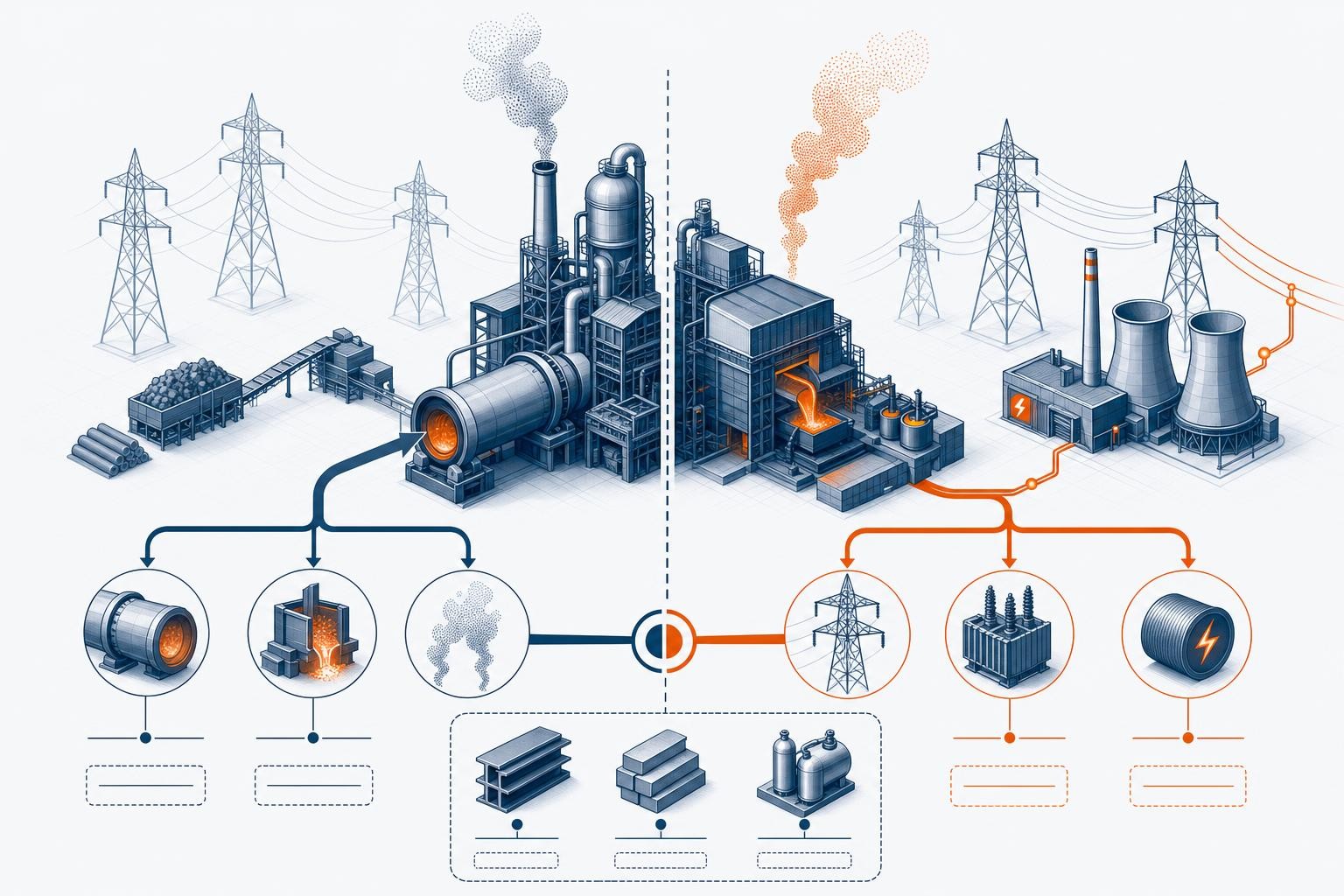
CBAM prices indirect emissions for cement and fertilisers but not for steel, aluminium, or hydrogen - and the reason why matters for your compliance strategy. Here's the full mechanics.
Making Your Supply Contract CBAM-Ready: A Clause-by-Clause Drafting Guide
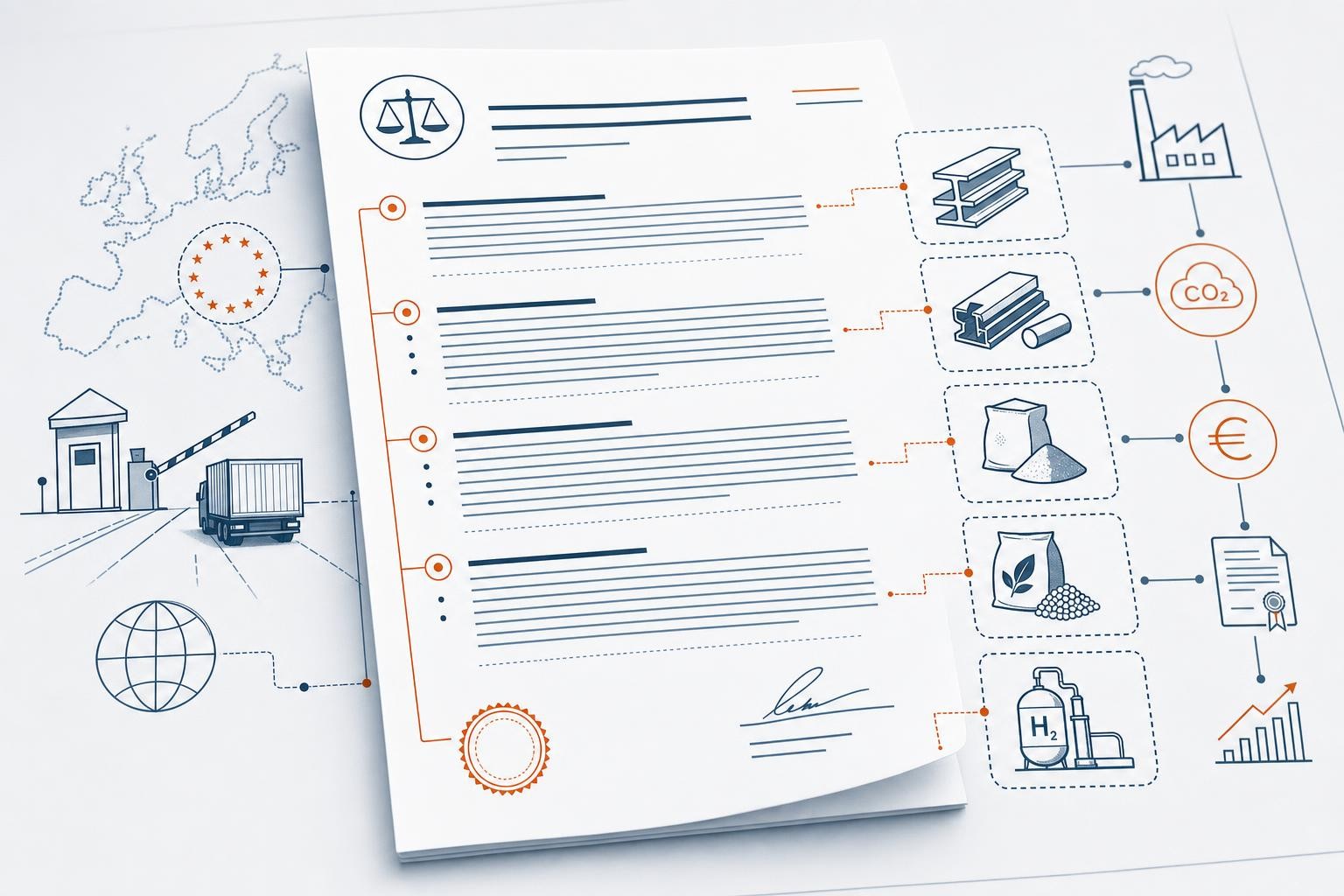
CBAM is now a contracting problem. This clause-by-clause guide covers emissions data, verification, price pass-through, Incoterms, indemnity, and change-in-law for EU importers of steel, aluminium, cement, fertilisers, and hydrogen.
CBAM and Customs Procedures: How Release for Free Circulation Changes Everything
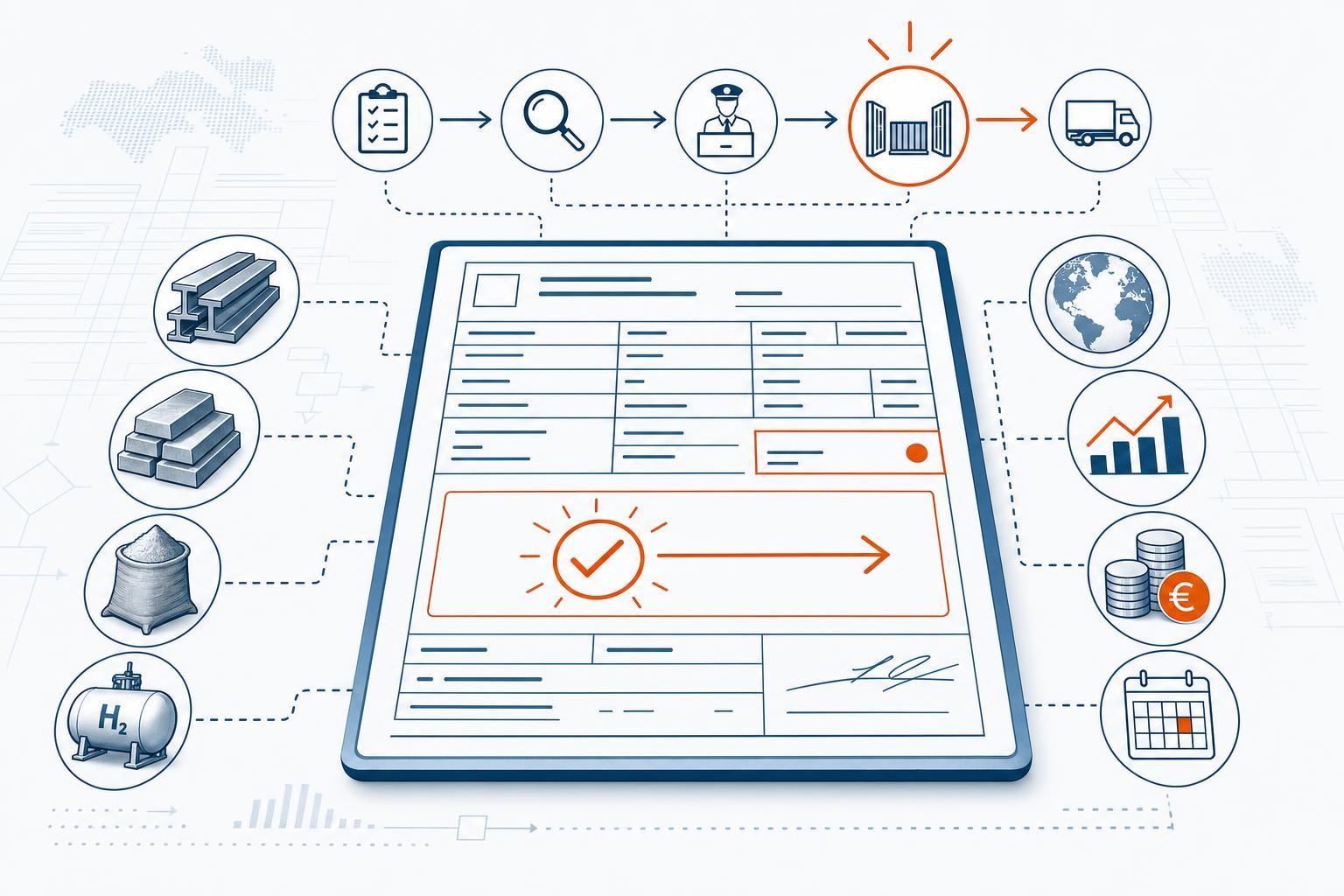
CBAM obligations attach at release for free circulation, not at physical arrival. That single fact makes your choice of customs procedure a genuine compliance and cash-flow lever. Here's the practical guide.