CBAM and Aluminium: A Plain-English Guide for Importers
CBAM and Aluminium: A Plain-English Guide for Importers
Aluminium is one of the most carbon-intensive metals in everyday use - and one of the six sectors squarely inside the EU's Carbon Border Adjustment Mechanism (CBAM). If you import aluminium into the EU, the definitive regime that began on 1 January 2026 now puts a price on the carbon embedded in those goods. This guide walks through what's covered, how the emissions are counted, and what to do first.
Why aluminium is in scope
CBAM exists to stop "carbon leakage" - the risk that EU climate rules simply push heavy industry abroad. Primary aluminium is a textbook case: smelting is enormously electricity-hungry, so its carbon footprint depends heavily on whether that power came from coal or hydro. Pricing only EU-made aluminium, and not imports, would hand a large advantage to higher-carbon producers outside the bloc. CBAM is designed to level that field.
What's covered: CN codes
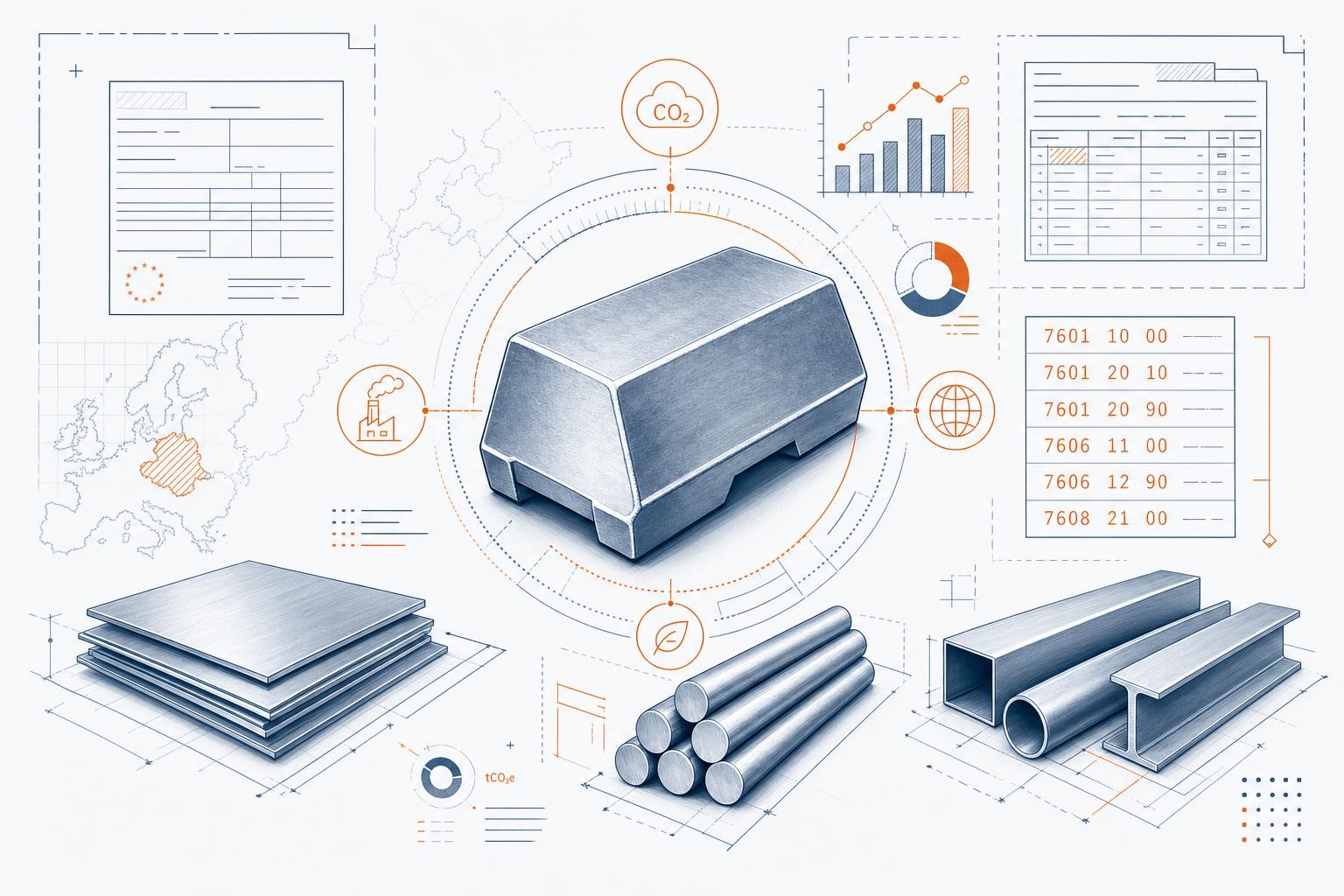
CBAM scope is defined by Combined Nomenclature (CN) codes, not by loose product names. For aluminium, the net captures unwrought aluminium and a range of semi-finished forms. Unwrought aluminium, for example, sits under CN heading 7601; other covered items include aluminium powders, bars, rods, profiles, wire, plates, sheets, foil, tubes and certain structures and articles. The CBAM sectors guide and Coolset's sector breakdown both maintain working lists of the covered codes.
The practical takeaway: don't guess from the product description. Pull the exact CN codes on your customs declarations and check each one against the official CBAM goods list. A part you think of as "just a bracket" may or may not fall inside a covered heading.
How emissions are counted
CBAM charges you for the embedded emissions in each tonne of covered goods. For aluminium that means two layers:
- Direct emissions from the production process itself, including the process emissions inherent to smelting.
- Indirect emissions from the electricity used to make the metal - which, for aluminium, is the dominant factor.
You can report emissions in one of two ways: using the actual, verified values from your supplier, or falling back on the EU's default values where reliable supplier data isn't available.
Default values and the mark-up
The Commission has published official default embedded-emissions values, set by CN code, country of origin and production route, covering direct, indirect and total emissions. These took effect on 1 January 2026 and were issued in Implementing Regulation (EU) 2025/2621, as summarised by co2-iq and O'Melveny.
Defaults are deliberately conservative, and they come with a penalty. For aluminium, cement and iron & steel, a mark-up is added on top of the default value - rising from 10% in 2026 to 30% by 2028, according to One Click LCA's CBAM guide. The intent is plain: defaults are a fallback, not a comfortable resting place. The more you can substitute verified supplier data, the lower - and more accurate - your bill is likely to be.
What aluminium importers should do first
- Map your CN codes. List every aluminium product you import and confirm which codes are in scope. This defines the size of your obligation.
- Check the 50-tonne threshold. Since the 2025 Omnibus, a single mass-based de minimis threshold determines whether CBAM applies at all. Know whether your annual aluminium volumes clear it.
- Start the supplier conversation. Verified, installation-level emissions data is the single biggest lever on your cost. Suppliers rarely have it ready, so ask early and be specific about the data points you need.
- Decide default vs actual, code by code. Where you can get good data, actuals usually beat the marked-up defaults. Where you can't, budget for the default plus its escalating mark-up.
The bottom line
Aluminium's heavy reliance on electricity makes it one of CBAM's most consequential sectors - and one where the gap between a verified value and a marked-up default can be large. Get your CN codes mapped, confirm you're over the threshold, and put real effort into supplier data now. The mark-up on defaults only grows from here.
This article is general information, not legal or tax advice. CBAM rules, default values and CN-code coverage are detailed and subject to change; confirm specifics against the official CBAM legal texts and guidance before acting.
Related reading
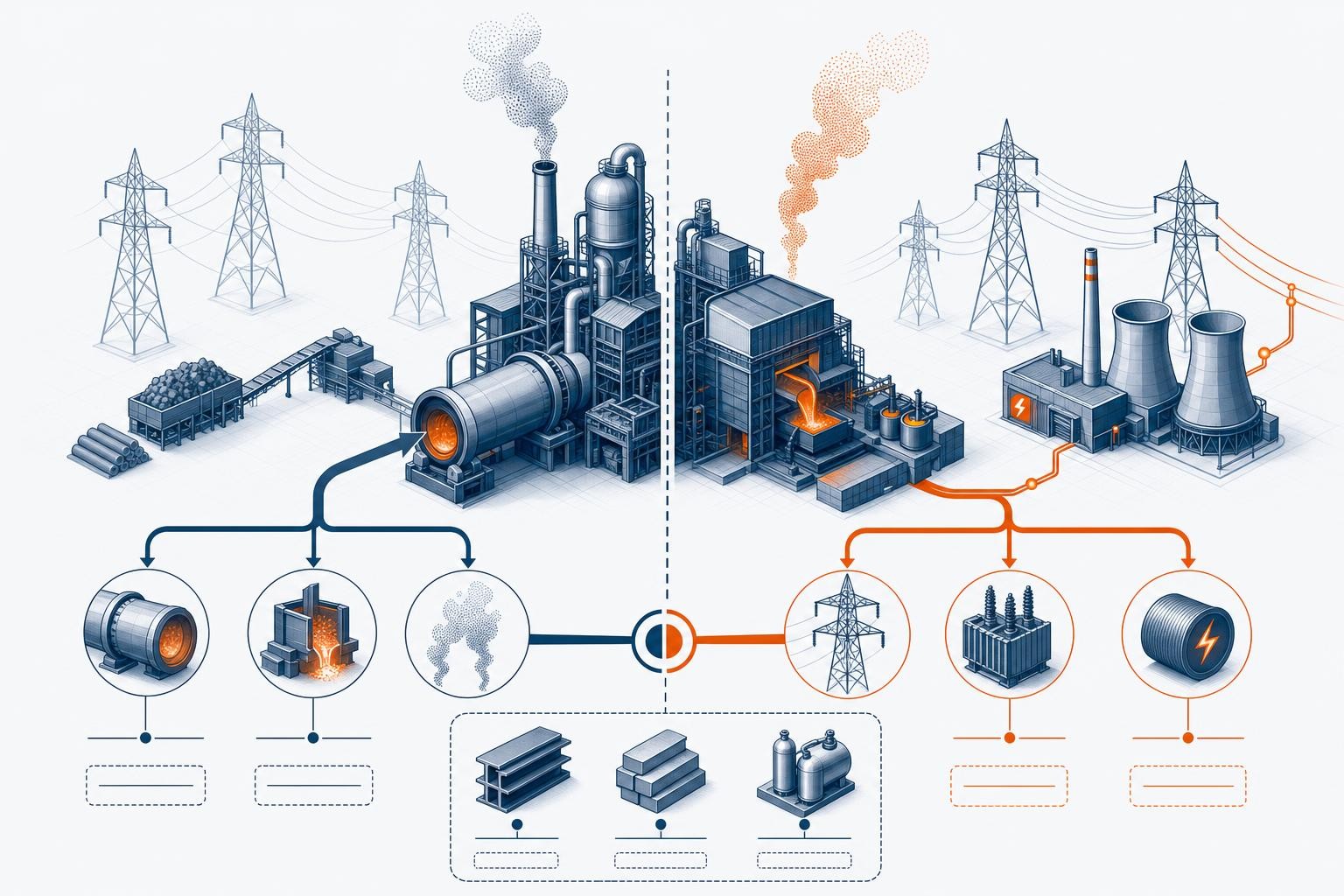
CBAM and Indirect Emissions: Why the Annex II Split Matters for Steel, Aluminium, and Hydrogen Importers
CBAM prices indirect emissions for cement and fertilisers but not for steel, aluminium, or hydrogen - and the reason why matters for your compliance strategy. Here's the full mechanics.
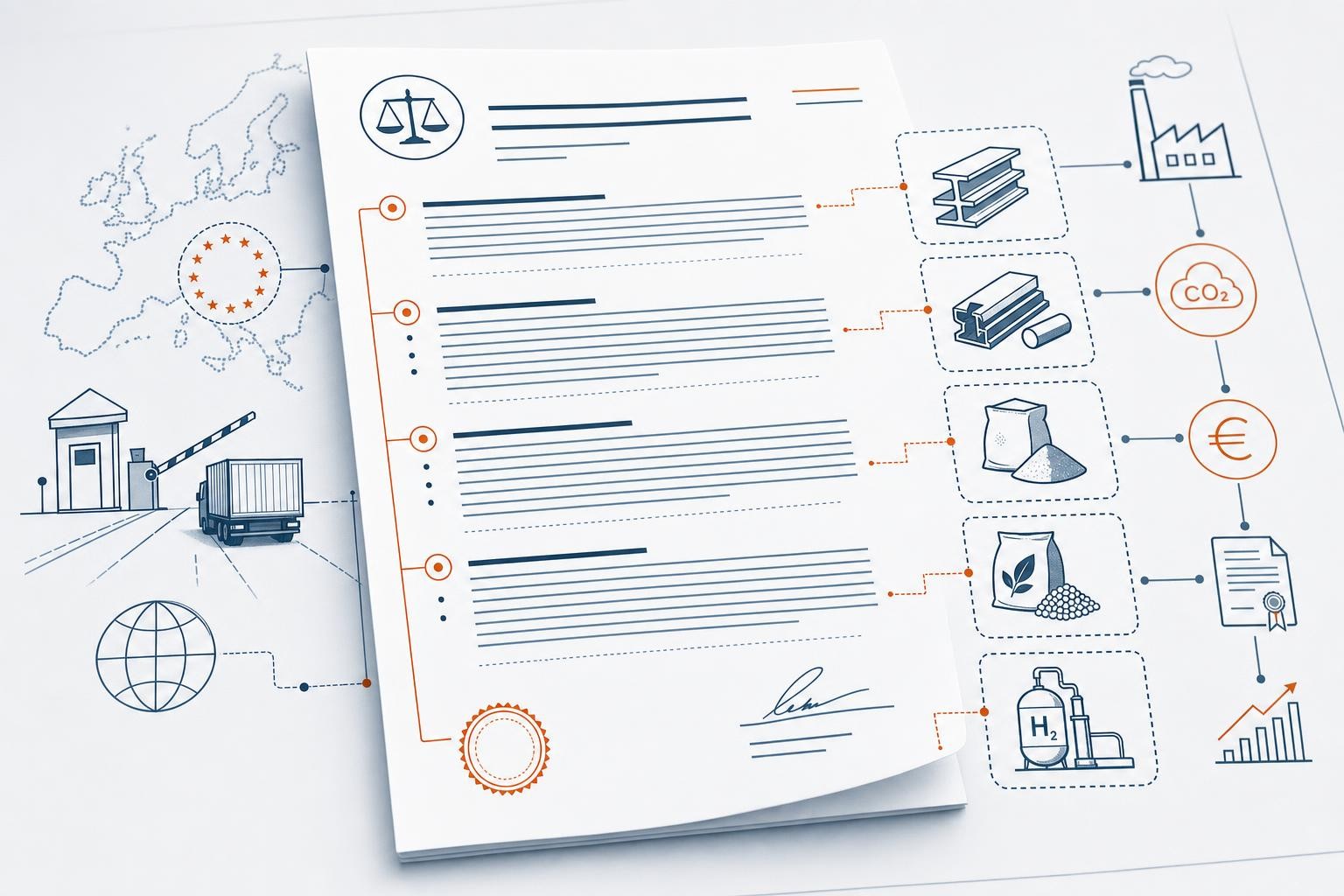
Making Your Supply Contract CBAM-Ready: A Clause-by-Clause Drafting Guide
CBAM is now a contracting problem. This clause-by-clause guide covers emissions data, verification, price pass-through, Incoterms, indemnity, and change-in-law for EU importers of steel, aluminium, cement, fertilisers, and hydrogen.
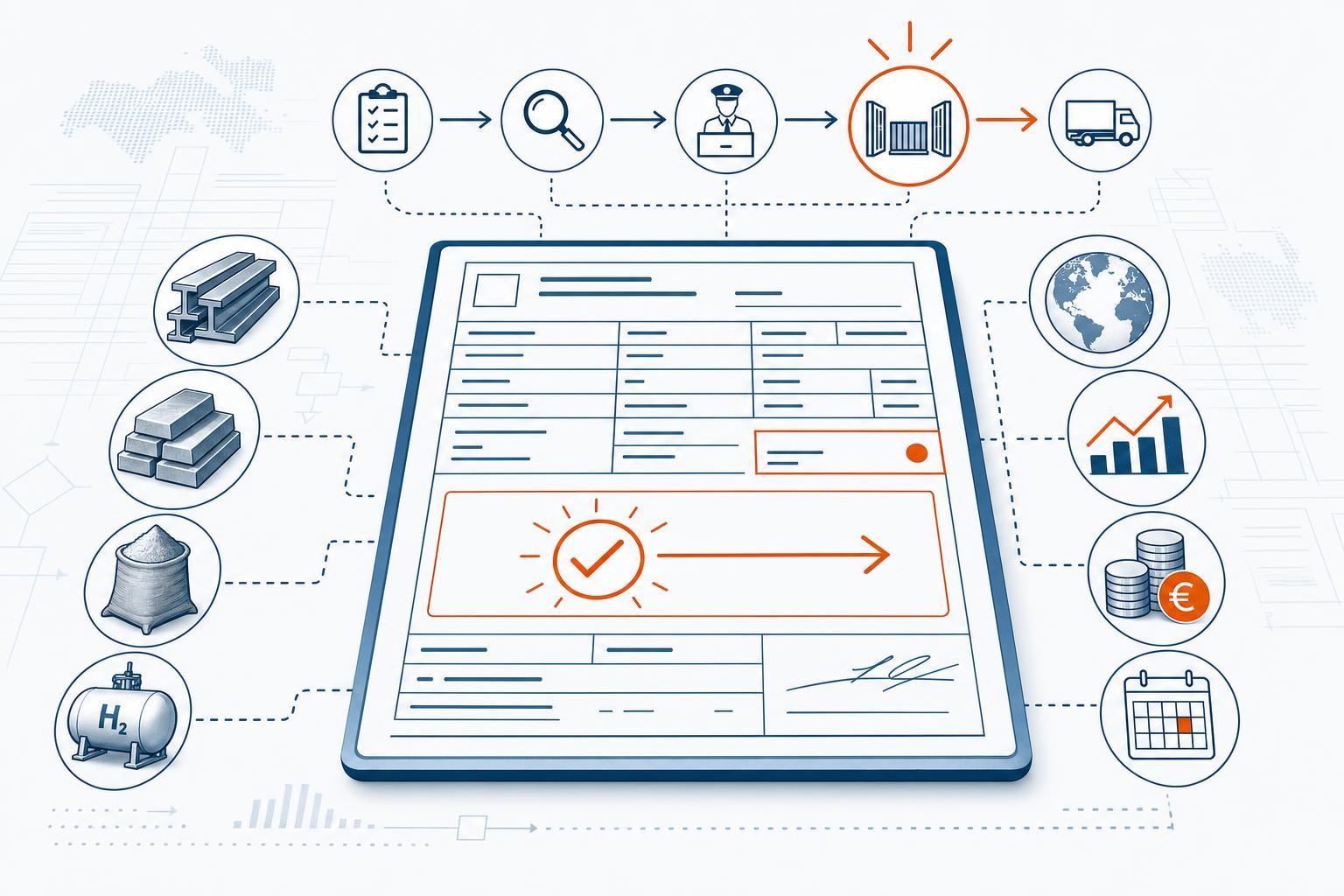
CBAM and Customs Procedures: How Release for Free Circulation Changes Everything
CBAM obligations attach at release for free circulation, not at physical arrival. That single fact makes your choice of customs procedure a genuine compliance and cash-flow lever. Here's the practical guide.