Can You Deduct the Carbon Price Paid Abroad? What the Commission's Draft CBAM Deduction Rules Actually Allow
Can You Deduct the Carbon Price Paid Abroad?
If your supplier already pays for carbon at home, you would expect your CBAM bill to shrink. In principle it does: the regulation lets importers reduce their certificate obligation where a carbon price was effectively paid in the country of origin. In practice, the mechanics were left to an implementing act, and the Commission is now moving toward adopting it. Carbon Pulse's 12 October newsletter reports that the Commission is moving toward adopting rules that define which foreign CO2 prices importers can deduct.
This post walks through the draft published on 13 May 2026, as summarised by Global ELR. It is a draft, so details may change in the final text.
Which foreign schemes qualify
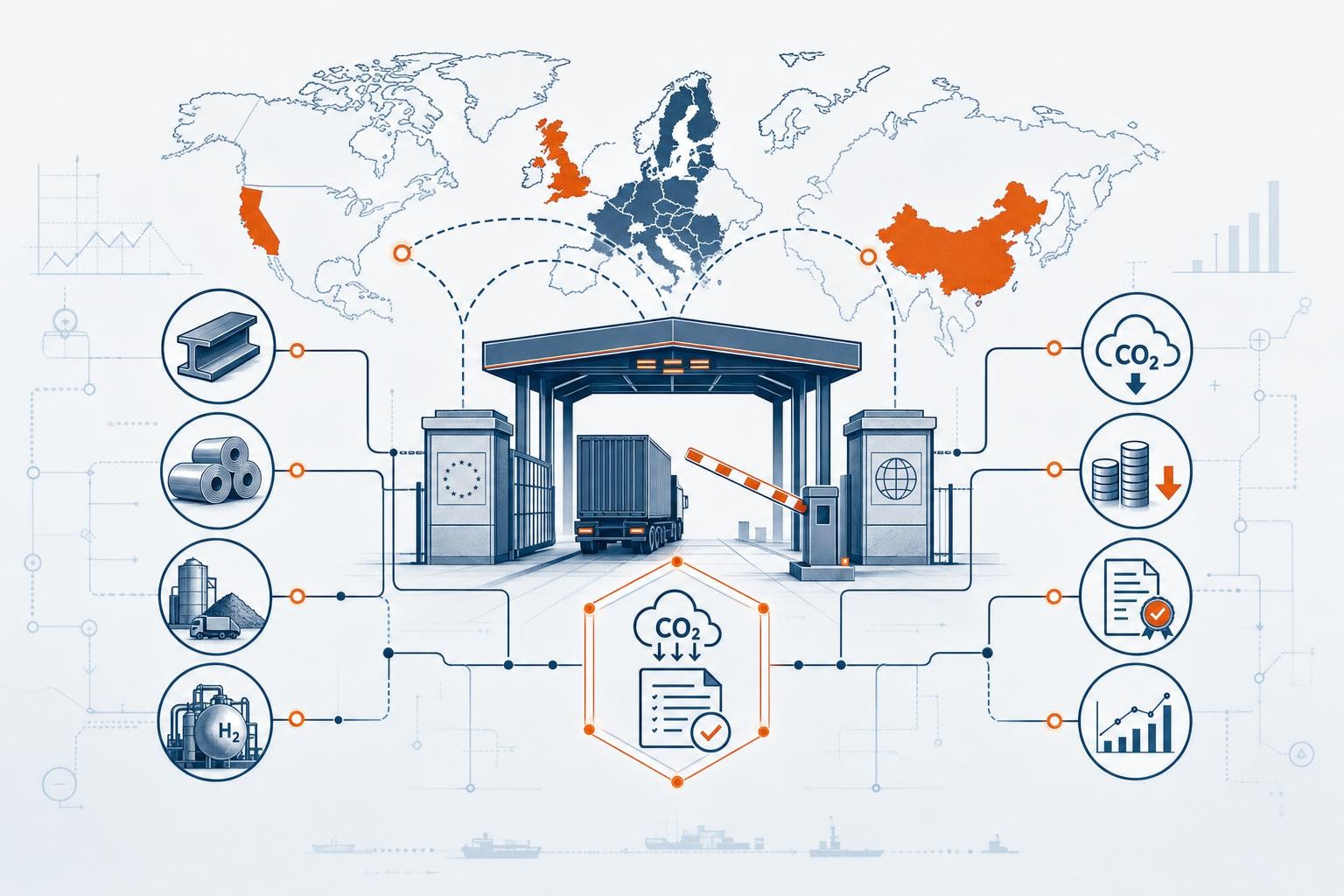
The draft requires the mechanism to be a tax, levy or fee, to be mandatory, to apply to all operators in the relevant sector and to operate without discrimination. According to Global ELR, the UK ETS, China's national ETS and California's Cap-and-Invest Program may fall in scope, depending on the final text and each scheme's design.
The deduction is tied to the price actually paid
The deduction follows the effective carbon price, not the headline price. Rebates, free allowances, exemptions, reduced rates and refunds that lower what the operator really pays must be netted off. A low foreign price or a generous rebate therefore produces a small deduction, and you buy more CBAM certificates. Revenue recycled into decarbonisation subsidies is not treated as compensation if the subsidy scheme is generally available, publicly decided and targets emission cuts at the beneficiary installation.
A foreign carbon price is not a discount coupon. If your supplier receives free allocation or a rebate, the effective price, and your deduction, can be close to zero.
Default values bring default carbon prices
The Commission may publish default carbon prices for third countries. Where embedded emissions are reported on default values, the deduction must also use the default carbon price. Indirect emissions are reported on default values, so the default price is the only option for them. For precursors made outside the installation, actual values need a separately certified carbon price report, otherwise the default price applies.
Carbon credits are capped at 10%
International credits must meet Article 6 of the Paris Agreement and be permitted by the third-country scheme. Use is capped at 10% of reported and confirmed covered emissions, and any excess is assigned a price of zero. Commentators cited by Global ELR suggest the cap limits the practical benefit.
Evidence and certification
In English, using the standard electronic template, with calculation steps and supporting evidence.
ETS: records of surrendered units and the weighted average auction price. Carbon tax: the legislation and records of tax paid. Rebates: official correspondence confirming amount and basis.
An independent person accredited by a national accreditation body must certify the report, with reasonable assurance. A misstatement is material above 5% of the effective carbon price per tonne.
From 1 January 2027, certification reports must be issued through the CBAM registry.
The certifier reviews the operator's verified emissions report and verification report under Implementing Regulation (EU) 2025/2547, and the same person can handle both verification and carbon price certification. Accreditation lasts five years with annual surveillance.
What to do now
Ask suppliers in countries with carbon pricing whether they hold the records the draft describes, including rebate correspondence. Do not book a deduction into your 2026 cost model until the final act and any default carbon prices are published. And remember the verifier capacity constraints we covered in our posts on the January 2027 deadline and third-country accreditation: certification will compete for the same scarce expertise.
Is the deduction already in force?
No. The rules were published as a draft with consultation until 10 June 2026, and adoption is still pending.
Will I get a deduction for the UK ETS?
It may qualify depending on the final text and the scheme's design, but the effective price after any free allocation or rebates is what counts.
Can carbon credits cover my whole obligation?
No. Eligible Article 6 credits are capped at 10% of covered emissions.
Who certifies the carbon price report?
An independent person accredited by a national accreditation body; it can be the same person who verifies your emissions.
Related reading
The EU-Canada Montreal Summit and CBAM: What Changed, What Didn't, and What You Need to Do Now
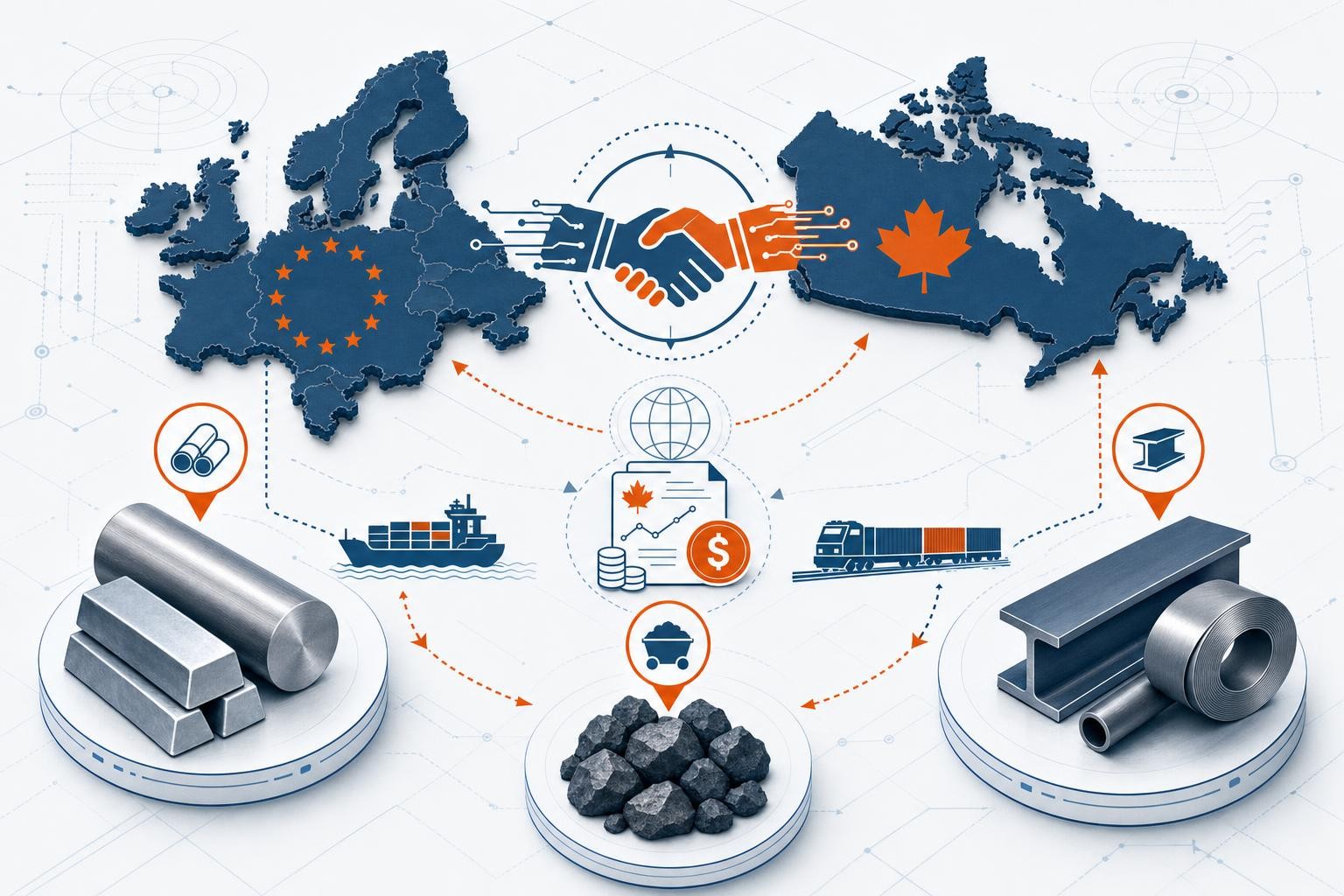
The October 2026 EU-Canada summit produced warm words on CBAM but no written commitments. Here's what the Montreal outcome actually means for EU importers of Canadian aluminium, iron ore, and steel.
CBAM for Aluminium Importers: PFCs, the Direct-Only Rule and Three Mistakes in Supplier Data
Aluminium is priced on direct emissions only, but PFCs must be counted and scrap is zero-rated. Here are the three supplier-data mistakes that most often distort an aluminium CBAM declaration.
The 50-Tonne CBAM Threshold: Who Is Really Exempt, and Why Parliament Wants Aluminium Cut to 5 Tonnes
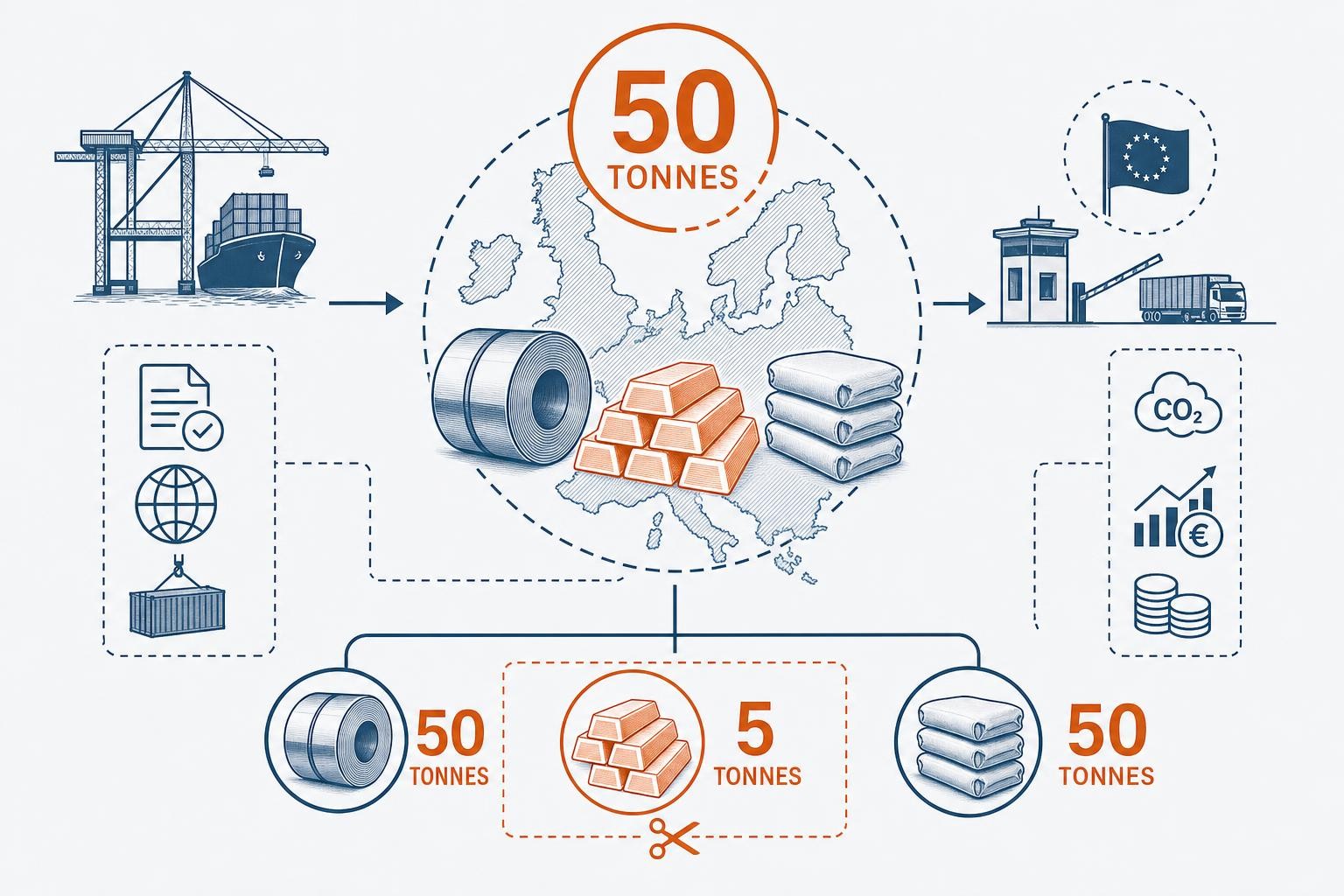
The omnibus replaced the per-shipment value test with an annual 50-tonne threshold. Who is exempt, how the cumulative rule bites, and why Parliament wants a 5-tonne limit for aluminium as trilogue opens on 20 October.