The 50-Tonne CBAM Threshold: Who Is Really Exempt, and Why Parliament Wants Aluminium Cut to 5 Tonnes
The 50-Tonne CBAM Threshold: Who Is Really Exempt?
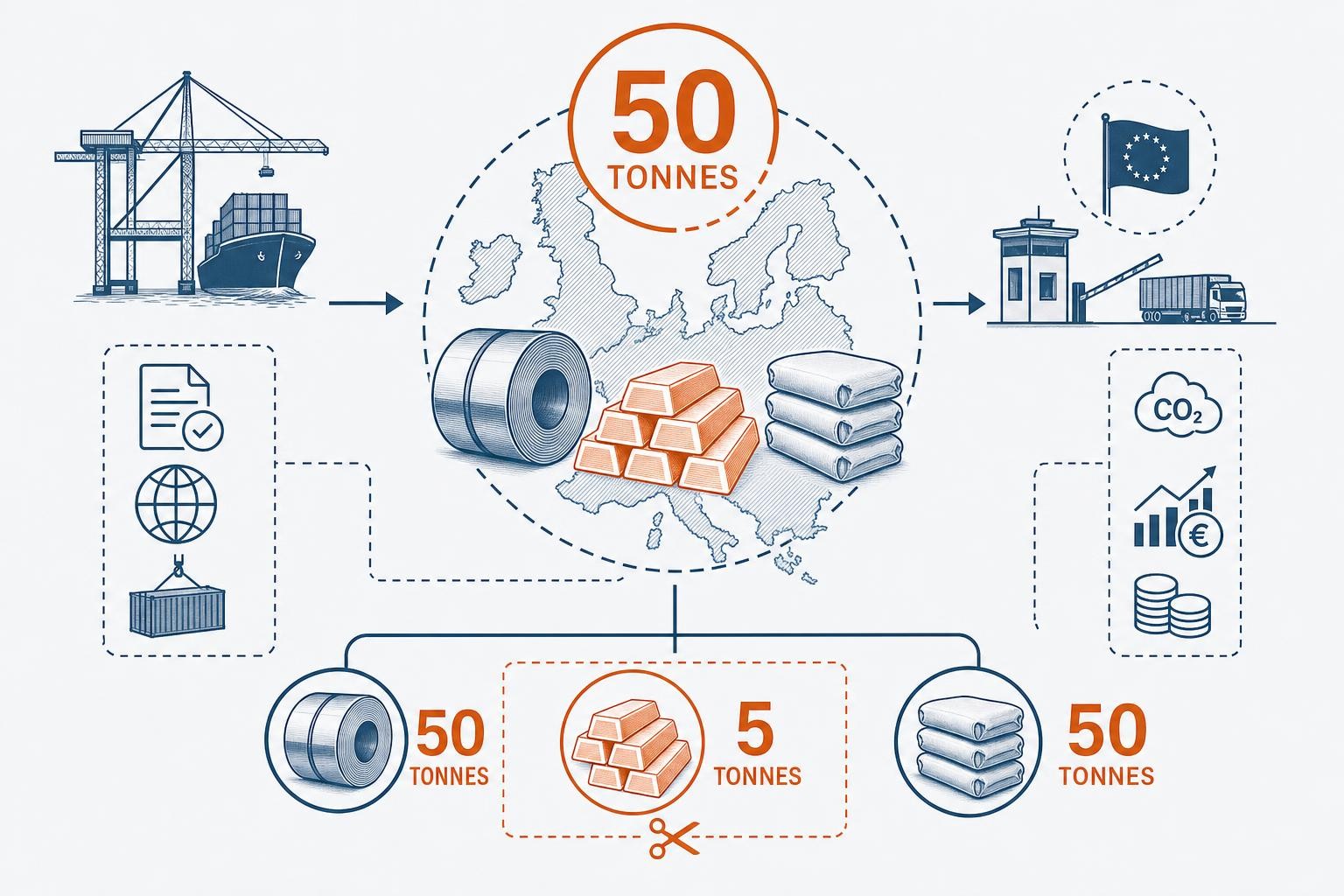
The omnibus simplification replaced the old EUR 150-per-consignment test with a single annual threshold. According to Cassidy Levy, the threshold is 50 tonnes of CBAM goods per year, per importer, and importers below it have no declaration, authorisation or certificate obligations. For many small importers that is a real relief. But the rule has edges, and Parliament wants to move one of them.
How the threshold works
Reed Smith explains that the threshold covers cement, fertilisers, iron and steel and aluminium, and that it does not cover electricity or hydrogen. It is also cumulative: if an importer exceeds 50 tonnes at any point in the year, all of that year's imports become subject to CBAM obligations, not only the excess.
Crossing 50 tonnes in December still pulls your January imports into scope. Track cumulative tonnage monthly, not at year end.
Authorisation is the trap
Importers who expect to exceed the threshold must apply for authorised declarant status before doing so. Applications filed by 31 March 2026 allowed continued importing while approval was pending. Reed Smith notes that imports in scope that are not declared by an authorised declarant will be refused customs clearance, and Cassidy Levy reports penalties for unauthorised importing three to five times higher than regular penalties. Customs representatives acting as declarants need authorisation even if their clients stay under the threshold.
What the threshold saves you, and what it does not
Below 50 tonnes there is nothing to declare and no certificates to buy. But the exemption is about your obligations, not your supply chain. Your customers may still ask for embedded-emissions data, and a business that is growing should plan its authorisation before it crosses the line, not after.
Parliament wants a lower limit for aluminium
Mayer Brown's trilogue briefing reports that in Parliament's 15 September mandate the aluminium de minimis threshold would drop from 50 to 5 tonnes of net mass, bringing in more importers. Parliament also wants online platforms designated as importers for distance sales to take on authorised declarant status, with retroactive liability for splitting transactions to stay under the threshold.
These are negotiating positions, not law. The same briefing lists the first formal trilogue for 20 October 2026 in Strasbourg, with a second provisionally on 30 November and political agreement targeted by the end of 2026.
Practical checklist
Add up net mass of all CBAM goods per calendar year across all entities importing under your EORI.
If you import small volumes of aluminium, model what a 5-tonne limit would do to your status.
If you are likely to cross 50 tonnes, apply before you do.
Follow outcomes of 20 October and 30 November before locking 2027 plans.
Is the 50 tonnes per shipment or per year?
Per year, per importer. The old per-consignment value test was replaced.
Does the exemption cover electricity and hydrogen?
No. Per Reed Smith it does not.
What if I go over 50 tonnes mid-year?
All of that year's imports become subject to CBAM obligations and you need authorised declarant status.
Is the 5-tonne aluminium limit law?
No. It is Parliament's negotiating position, to be settled in trilogue.
Related reading
The EU-Canada Montreal Summit and CBAM: What Changed, What Didn't, and What You Need to Do Now
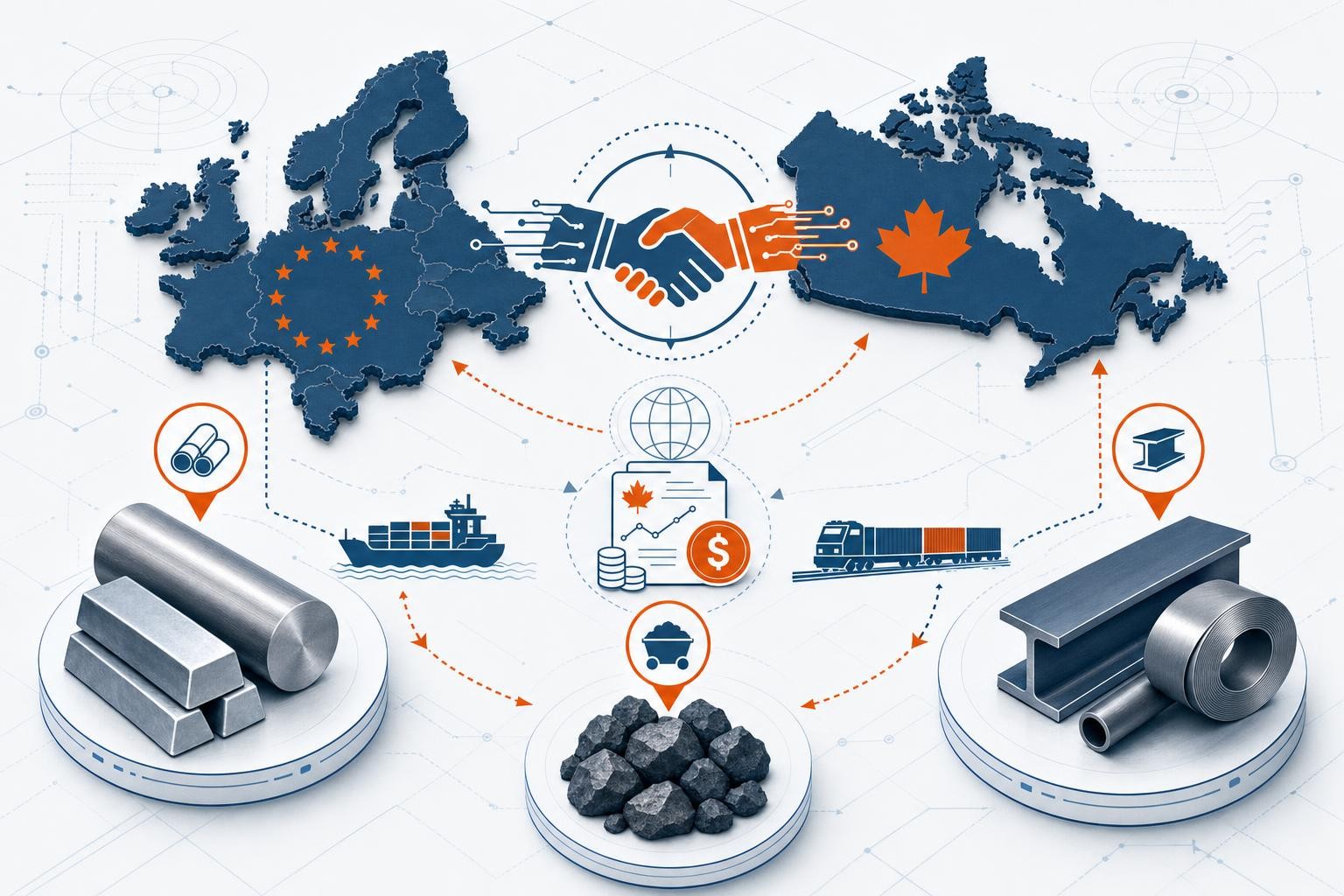
The October 2026 EU-Canada summit produced warm words on CBAM but no written commitments. Here's what the Montreal outcome actually means for EU importers of Canadian aluminium, iron ore, and steel.
CBAM for Aluminium Importers: PFCs, the Direct-Only Rule and Three Mistakes in Supplier Data
Aluminium is priced on direct emissions only, but PFCs must be counted and scrap is zero-rated. Here are the three supplier-data mistakes that most often distort an aluminium CBAM declaration.
Can You Deduct the Carbon Price Paid Abroad? What the Commission's Draft CBAM Deduction Rules Actually Allow
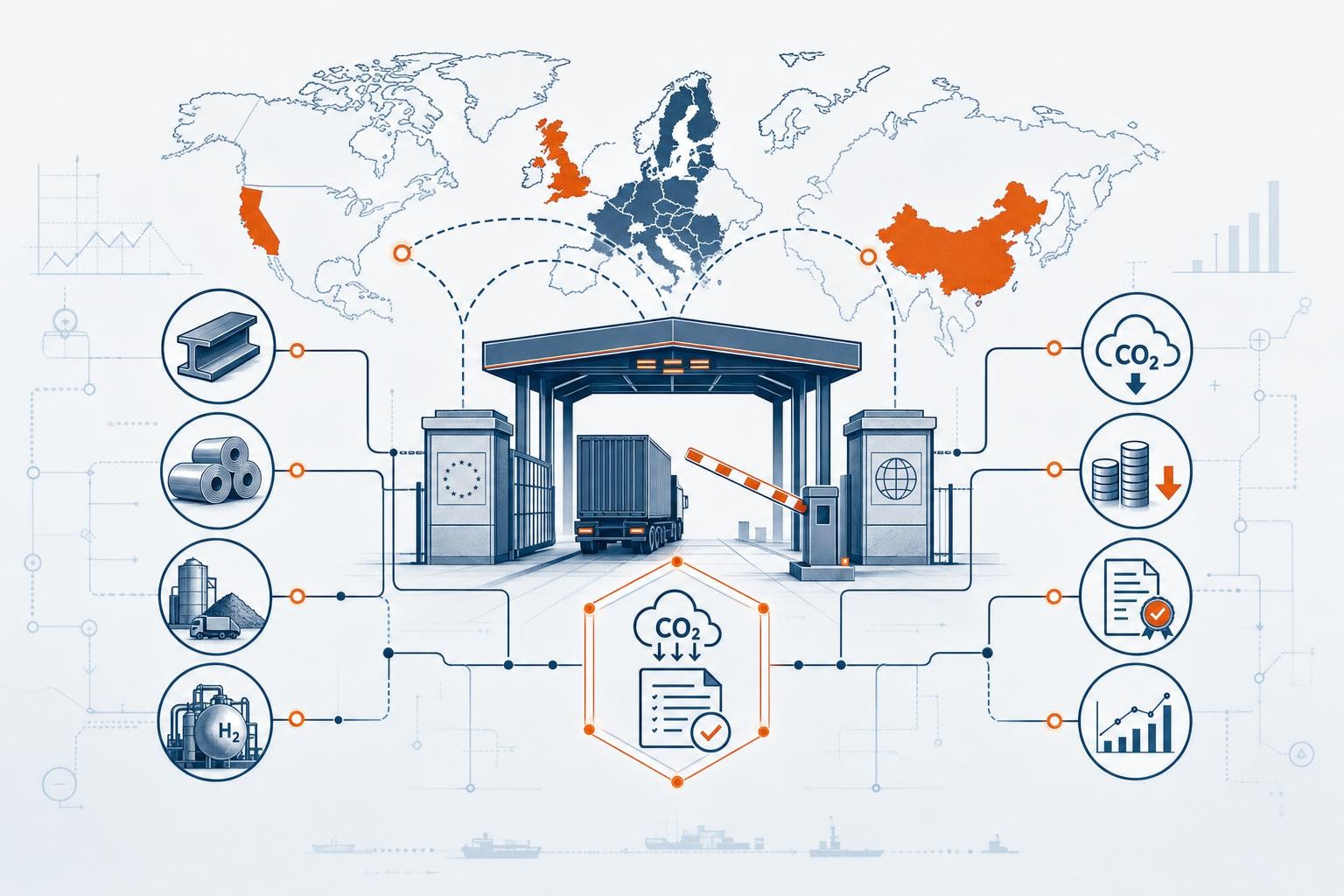
The Commission's draft rules on deducting carbon prices paid outside the EU are close to adoption. Here is what qualifies, what the 10% credit cap does, and what evidence importers will need.