CBAM for Aluminium Importers: PFCs, the Direct-Only Rule and Three Mistakes in Supplier Data
CBAM for Aluminium Importers: PFCs, the Direct-Only Rule and Three Mistakes in Supplier Data
Aluminium looks simple under CBAM, and that is what makes it risky. The rules differ from steel and fertilisers in ways that change both the number and the data you need from suppliers.
The direct-only rule
Aluminium sits in Annex II, so only direct embedded emissions are priced, not the indirect emissions from electricity (CBAM Guide). Smelting uses roughly 14 to 16 MWh of electricity per tonne, so for coal-powered smelters this leaves a large block of emissions unpriced. The Commission acknowledged the gap in Recital 67 but has not extended coverage.
PFCs must be in the calculation
Perfluorocarbons (CF4 and C2F6) from anode effects count, using global warming potentials of 6,630 and 11,100. Legacy facilities can add around 0.3 to 1.5 tCO2e per tonne; modern smelters are near zero (CBAM Guide).
Scrap is zero-rated
Scrap inputs are zero-rated for embedded emissions, and secondary aluminium from recycled content has very low emissions of around 0.05 to 0.1 tCO2 per tonne. For importers, recycled-content sourcing is a real cost lever.
Default values and the July correction
Default values include a mark-up of 10% in 2026, 20% in 2027 and 30% from 2028. Implementing Regulation (EU) 2026/1740, published 31 July 2026 and applying retroactively from 1 January 2026, corrected values for several downstream aluminium products. Unknown-origin precursor defaults for CN 7616 99 10 and 7616 99 90 rose by about 47.5% (to 4.542 and 5.559 tCO2e per tonne), so earlier calculations need review (alcircle).
Three mistakes to avoid
- Omitting PFCs. A supplier report covering only CO2 understates emissions and creates a declaration gap.
- Assuming electricity is included. It is explicitly excluded for aluminium, so do not back-solve from a supplier's all-in carbon footprint.
- Waiting on verification. Actual data requires an accredited third-party verifier, with site visits required in the first period. Leaving this until late 2026 risks missing capacity.
The takeaway
Ask every aluminium supplier three questions: are PFCs included, is the figure direct-only, and who verified it? Their answers will tell you whether your declaration is built on solid data or on defaults that get more expensive every year.
Sources: CBAM Guide, alcircle.
Related reading
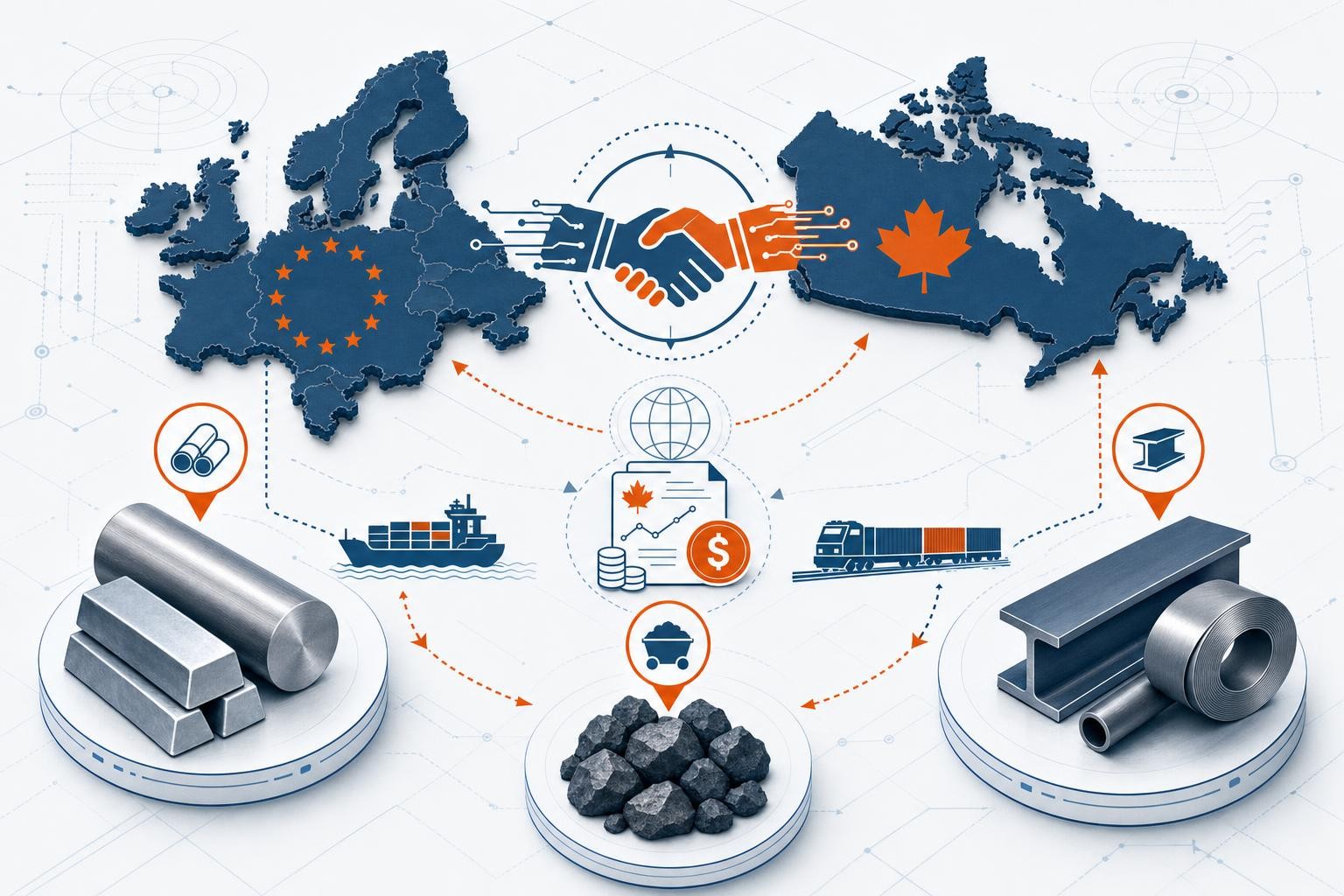
The EU-Canada Montreal Summit and CBAM: What Changed, What Didn't, and What You Need to Do Now
The October 2026 EU-Canada summit produced warm words on CBAM but no written commitments. Here's what the Montreal outcome actually means for EU importers of Canadian aluminium, iron ore, and steel.
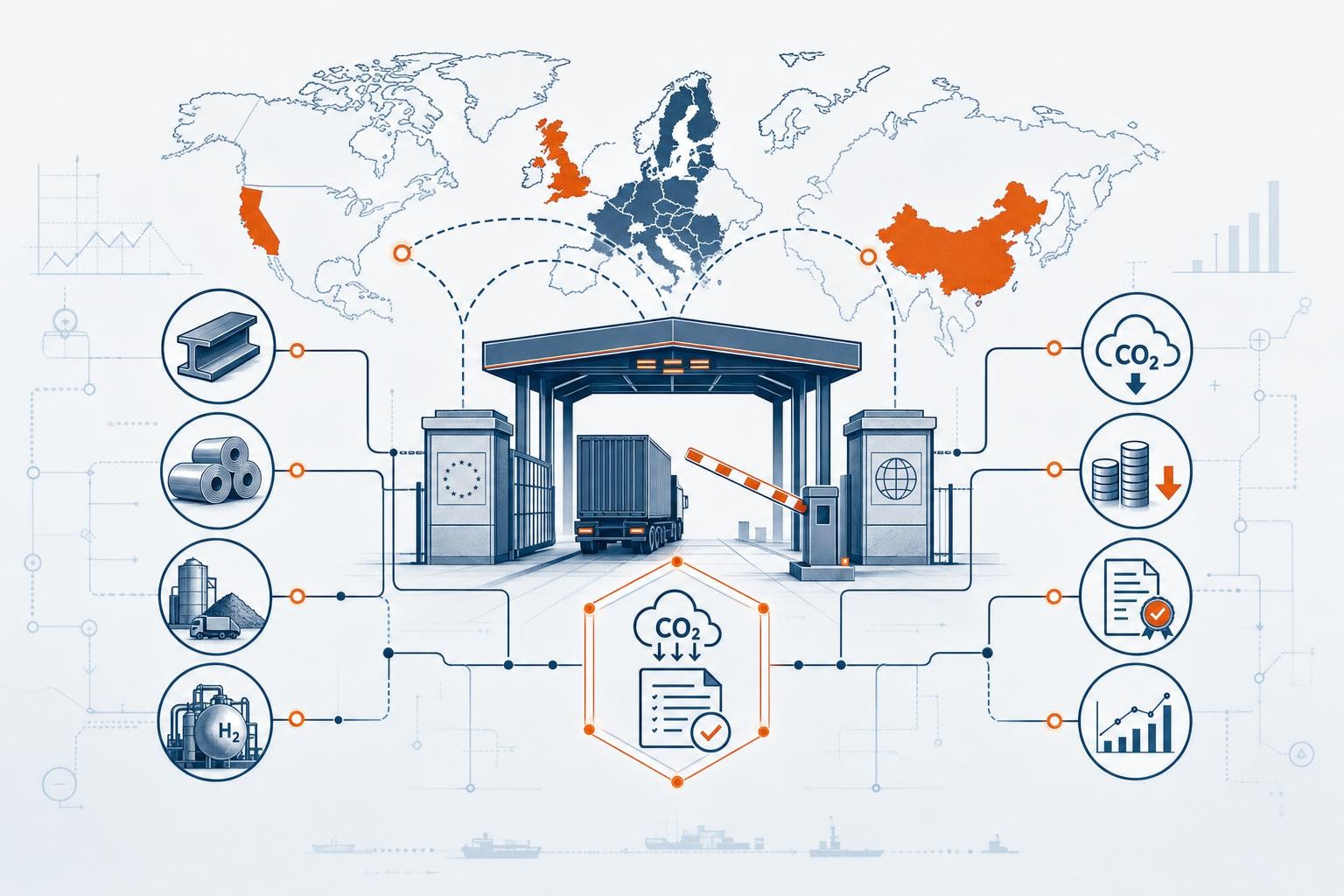
Can You Deduct the Carbon Price Paid Abroad? What the Commission's Draft CBAM Deduction Rules Actually Allow
The Commission's draft rules on deducting carbon prices paid outside the EU are close to adoption. Here is what qualifies, what the 10% credit cap does, and what evidence importers will need.
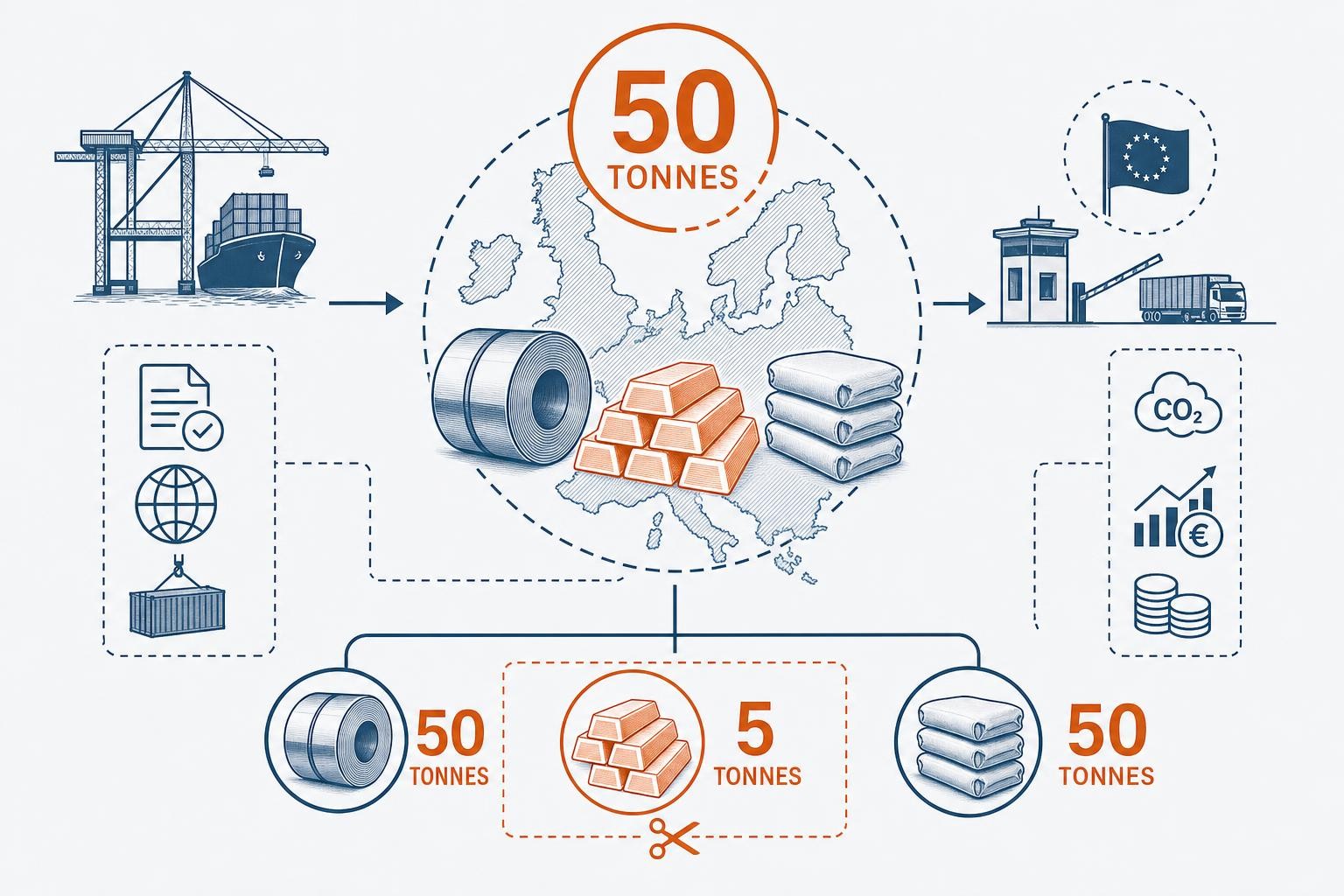
The 50-Tonne CBAM Threshold: Who Is Really Exempt, and Why Parliament Wants Aluminium Cut to 5 Tonnes
The omnibus replaced the per-shipment value test with an annual 50-tonne threshold. Who is exempt, how the cumulative rule bites, and why Parliament wants a 5-tonne limit for aluminium as trilogue opens on 20 October.